The unglamorous automation that actually moved the P&L
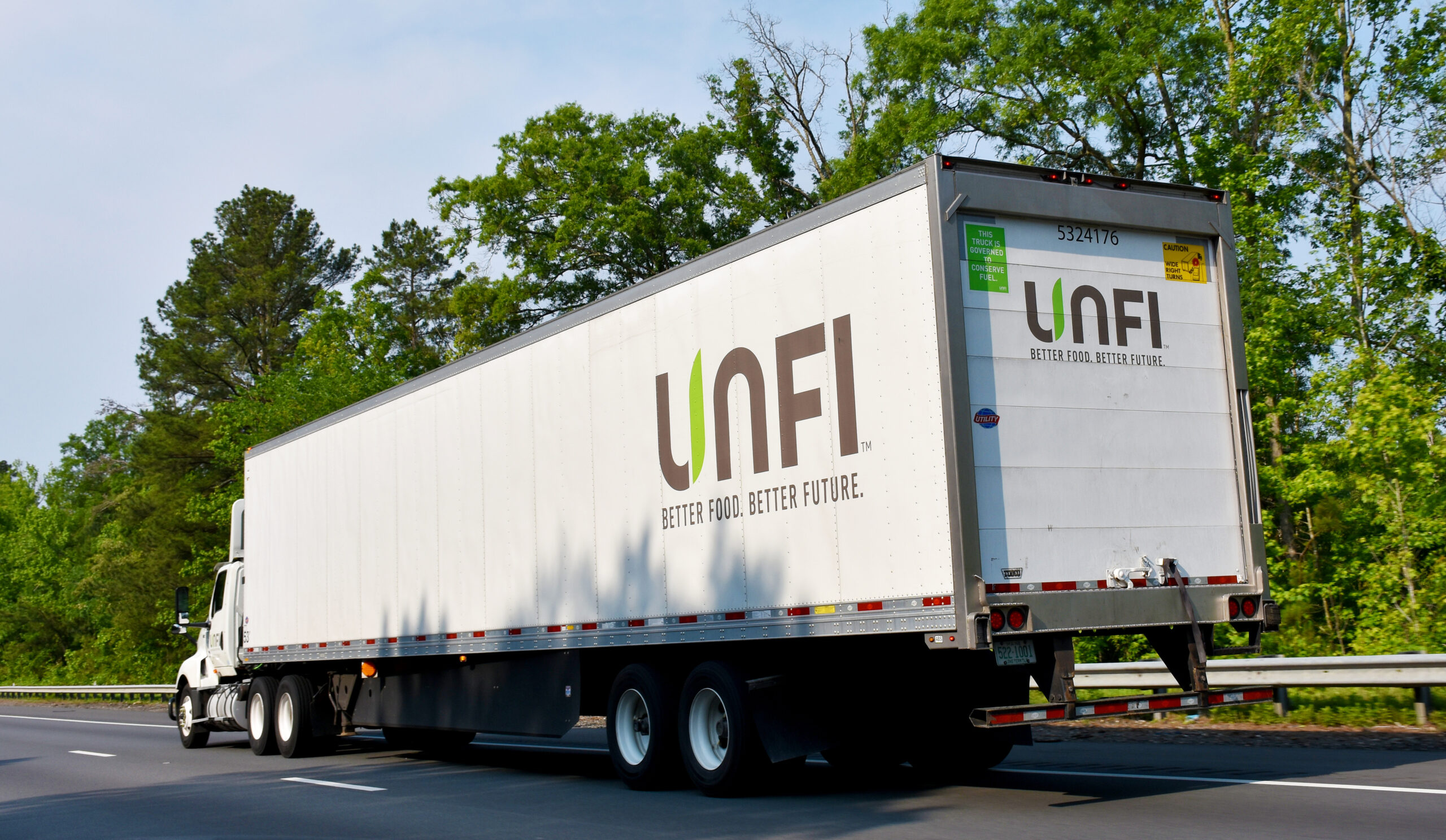
UNFI, the food distributor that supplies grocers across the country, completed a full rollout of RELEX's AI planning platform across every distribution center in its network, covering purchasing, inventory planning, and fulfillment. None of this is customer facing. No shopper notices a planning algorithm running in the background. But the financial results attached to it are hard to argue with: UNFI swung from a 118 million dollar net loss in fiscal 2025 to 84 million dollars in net income for fiscal 2026.
CEO Sandy Douglas was specific about what the AI investment is actually buying the company: steadily improving fill rates and inventory management, which he called among the most important things UNFI can do for its retail customers. Fill rate, the percentage of ordered product a distributor actually delivers on time, is the kind of unglamorous metric that determines whether a grocer keeps a distribution contract, and UNFI posted gains on it for a fourth consecutive quarter.
Why Joliet mattered more than the AI headline
Buried in the operational detail is a physical consolidation that reinforces the technology story: UNFI folded its Racine, Wisconsin operations into an expanded, fully automated distribution center in Joliet, Illinois, during the fourth quarter. President and COO Matteo Tarditi compared this directly to an earlier consolidation into a larger, automated facility, suggesting this is now a repeatable playbook rather than a one off project.
Software planning tools and physical automation are often pitched and budgeted separately, as if they solve different problems. UNFI's results suggest the opposite: the AI planning layer and the automated facility layer compound each other. Better demand planning only pays off fully if the physical fulfillment infrastructure underneath it can actually execute faster, and UNFI invested in both halves of that equation in the same fiscal year.
A mixed revenue picture that makes the profitability story more credible
UNFI's full fiscal year net sales actually declined 2%, to 31.15 billion dollars, with conventional product sales down 11.5% for the year while natural products sales grew 7%. That split matters because it means the swing to profitability did not come from a sales boom masking inefficiency. It came while overall revenue was shrinking, which is a harder and more durable kind of improvement than a profit bump riding a strong sales quarter.
A company posting better margins on declining conventional sales while growing its natural products segment is making a deliberate mix shift, not just cutting costs. The automation and AI planning investment appears to be funding the operational capacity to execute that shift without the fill rate and service failures that usually accompany a category mix change this size.
The spending acceleration signals confidence, not caution
UNFI is increasing capital and cloud implementation spending to roughly 300 million dollars in fiscal 2027, up from 217 million dollars in fiscal 2026, specifically earmarked for targeted automation, ERP deployment, and continued technology investment. A company that had just returned to profitability after two loss making years choosing to accelerate technology spending, rather than pull back to protect the newly positive earnings, is a meaningful signal about how confident leadership is in the return on this specific investment category.
Tarditi's description of the approach as methodical and paced is worth taking seriously as a strategic choice rather than corporate caution language. UNFI rolled out lean daily management practices to 44 distribution centers before expanding further, and completed the RELEX platform rollout network-wide only after presumably validating it at a subset of sites. That sequencing, prove it narrow, then scale it wide, is the opposite of the big-bang transformation programs that generate press releases and then quietly underdeliver.
What this means for supply chain leaders outside grocery
UNFI's fuel cost management, using hedges and contract mechanisms with route optimization as the primary lever, is a reminder that AI-driven planning and automation investments do not operate in isolation from basic commodity cost exposure. A distribution network running leaner on inventory and fulfillment still needs a separate strategy for the input costs automation cannot directly control.
The broader lesson for any supply chain organization evaluating a similar AI planning and automation investment is that the payoff shows up first in metrics nobody outside the company tracks, fill rate, on-time delivery, throughput, well before it shows up in headline revenue growth. Leaders pitching this kind of investment internally should set expectations accordingly: the business case is operational resilience and margin, not a growth story, and UNFI's own numbers make that case more convincingly than a projected ROI slide ever could.