From restaurant app to department store shelf
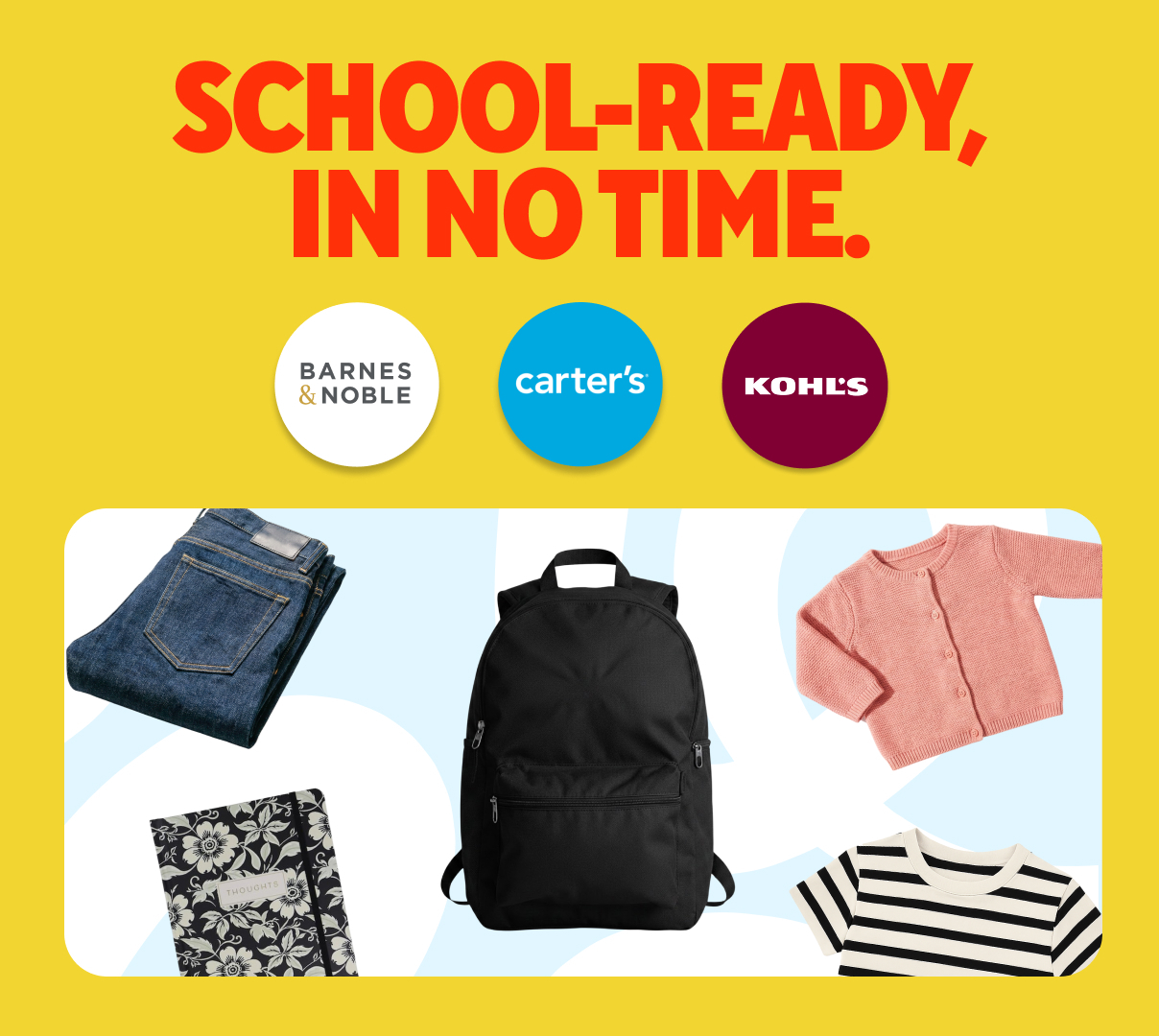
DoorDash announced partnerships with Gap, including Gap Factory, Kohl's, Barnes & Noble, and Carter's in mid August 2026, timed deliberately to back to school shopping season. The Kohl's deal is notably DoorDash's first full department store selection, spanning apparel to home goods, while Barnes & Noble represents the platform's first large scale books offering. Neither category looks anything like the restaurant delivery business DoorDash built its name on.
DoorDash VP of Enterprise Partnerships Mike Goldblatt framed the back to school timing plainly: bringing these retailers onto the platform means parents can get what they need in minutes. That framing treats delivery speed as the product itself, with the specific retailer almost secondary, which is the same logic Amazon and Walmart have been applying to their own same-day infrastructure for the past two years.
The scale number that makes this more than a pilot
DoorDash now has more than half a million products eligible for sub-hour delivery across apparel, books, and household items, a figure built up through additions this year that also include Foot Locker and Urban Outfitters. That catalog size signals DoorDash is treating general merchandise as a core growth category, not a side experiment squeezed in around its restaurant business.
The company's own reported numbers back up the strategic weight: tens of millions of retail and grocery deliveries completed in under 30 minutes during the first quarter of 2026, spanning more than 22,000 ZIP codes. Second quarter retail and grocery marketplace order value grew strongly year over year while, critically, unit economics improved rather than degraded, addressing the standard skepticism that fast delivery networks only grow by losing money per order.
Why retailers are opting into someone else's delivery network
Gap Brand president and CEO Mark Breitbard described the move as giving Gap and Gap Factory wider reach, combining iconic style with the convenience and immediacy customers expect. That is a retailer explicitly choosing not to build its own last-mile delivery infrastructure and instead renting DoorDash's existing network and customer base, a build versus buy decision playing out in real time at department store scale.
The competitive pressure driving this decision is explicit in the market context: Amazon's one and three hour delivery windows and Sam's Club's one hour offering have made fast delivery a baseline customer expectation rather than a premium feature. Retailers without the logistics scale to match Amazon directly are choosing to plug into a third party network that already has it, accepting a revenue share in exchange for not having to build the capability themselves.
The tested relationship behind this expansion
This is not Gap's first move with DoorDash. Gap's Old Navy division had already partnered with the platform in 2025, which means the parent company expanding to Gap and Gap Factory in 2026 follows a year of operational data showing the partnership worked at the Old Navy price point and customer base before extending it to Gap's full brand portfolio.
That sequencing, test with one brand division, then expand once the data supports it, is a more disciplined rollout pattern than retailers typically get credit for when evaluating delivery partnerships. It also suggests other multi-brand retailers watching from the sidelines should expect their own pilot-then-expand timeline rather than an all-at-once commitment if they move toward a similar platform partnership.
What CIOs evaluating delivery infrastructure should take from this
The build versus buy calculus here is instructive beyond retail specifically. DoorDash is offering retailers a complete last-mile delivery capability, inventory integration, and a large existing customer base in exchange for a cut of each transaction, versus the multi-year capital investment required to build comparable infrastructure independently. For any retailer without Amazon or Walmart scale, that math increasingly favors the rental model.
The risk worth weighing, which the reporting on this deal does not address, is the same one that applies to any platform dependency: Kohl's, Gap, and Barnes & Noble are now each one algorithm change or pricing renegotiation away from losing a delivery channel they do not control. Retailers moving fast to capture the convenience advantage should be building the contractual and operational flexibility to exit or renegotiate that dependency now, before DoorDash's leverage in the relationship grows along with its catalog.