AirTrunk hits the brakes
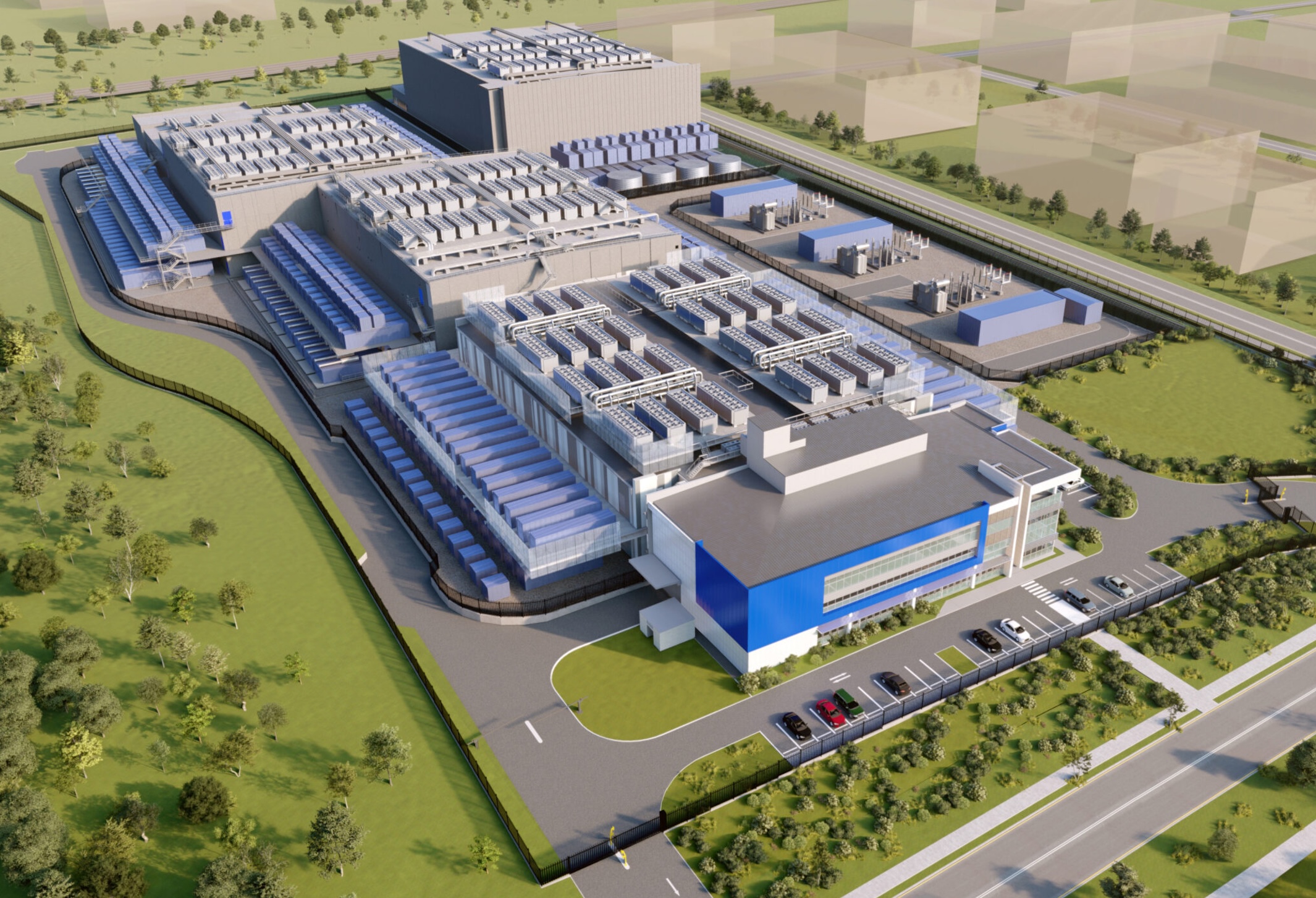
AirTrunk, the Australian data center operator owned by Blackstone and CPP Investment Board since a 16 billion dollar acquisition in 2024, is delaying its planned 1.5 billion dollar Singapore REIT IPO until next year, according to Bloomberg's reporting this week. The company had planned to start formally sounding out institutional investors this month on a listing covering operating and planned capacity across 20 hyperscale campuses, totaling more than 3 gigawatts of capacity in aggregate, which would have made it one of the largest data center REIT listings attempted in the region to date.
Investor interest fell short of what AirTrunk needed to proceed with confidence, driven primarily by higher interest rates and broader market volatility across Asian capital markets this quarter. Before pulling back entirely, the company had considered raising the REIT's offered yield from 5.5 percent to 6 percent specifically to attract more cautious buyers into the deal. A further round of US rate increases in September made that math considerably worse rather than better, and AirTrunk is still weighing changes to the offering's overall size and structure before trying again next year.
A broader freeze, not an isolated setback
Close to a dozen data center-related firms have reportedly been considering public listings over the past year, and at least five of them have now paused or canceled those plans outright. Earlier in October, the Nvidia-backed Australian neocloud Firmus canceled a planned 5 billion dollar IPO entirely rather than attempt a smaller or delayed version of the deal. The Philippine data center REIT Vitro delayed its own listing to 2027 just the week before AirTrunk's announcement, citing the identical rising rate environment as its primary justification.
Last month, SB Energy delayed a planned September IPO after investors balked at a valuation pitched above 50 billion dollars for the business. Holtec postponed its own Nasdaq listing around the same time, citing what the company publicly called uncertainty of data center development as its stated reason, and Aggreko reportedly slowed its separate IPO process as well. Taken together across five distinct companies in five distinct markets, this reads as a genuine capital markets reset for the sector rather than a string of coincidental, unrelated corporate decisions.
Why rates hit data center valuations harder than most sectors
Data center operators are long-duration, capital-intensive businesses whose returns depend heavily on the spread between financing cost and contracted lease revenue locked in years in advance with hyperscaler tenants. REIT structures in particular are valued primarily on yield, which means every basis point of rate increase directly and mechanically compresses the price institutional investors are willing to pay for the same underlying assets. That relationship is close to arithmetic rather than sentiment, and it explains why this sector is absorbing rate pressure faster and more visibly than software or services businesses operating on shorter capital cycles.
It also explains why operators keep reaching for higher offered yields rather than simply cutting the headline price of the deal: raising the yield is the only lever available that keeps a REIT structure competitive against safer fixed income alternatives once rates move against it. When even that adjustment fails to clear the market, as it just did for AirTrunk despite the yield increase under consideration, it signals investor demand has shifted more fundamentally than operators had expected going in, not merely that the pricing needed a small, cosmetic tweak before launch.
Who benefits from a closed IPO window
Self-funded hyperscalers like Microsoft, Amazon, and Google are largely insulated from this particular freeze because they finance new capacity from existing operating cash flow and corporate debt issuance rather than through public equity vehicles built around specific, standalone data center portfolios. A capital markets reset that stalls neocloud and REIT-structured competitors is, in very practical terms, a direct competitive advantage for the handful of incumbents with balance sheets large enough to self-fund growth without ever touching these more fragile capital markets at all.
For enterprise buyers, that distinction matters because the companies offering alternative capacity, often at noticeably better unit economics than the hyperscalers charge, are exactly the operators now losing access to the growth capital they need to keep building and competing on price. If your own sourcing strategy depends on newer market entrants driving meaningful price competition against the big three, that competition just got slower and more expensive to fund, and the realistic range of credible suppliers over the next 12 to 18 months is measurably narrower than it looked back in the spring.
What this means for PE-backed buyers specifically
If your own company is PE-backed and actively evaluating data center or colocation partners for a future workload migration, treat this wave of stalled IPOs as a concrete due diligence trigger rather than background market noise you can safely ignore. Ask any infrastructure vendor under consideration directly how they are funding already-committed capacity expansions given that their own public listing plans have slipped, and insist on specifics around debt covenants and refinancing timelines rather than accepting general reassurances about long-term financial health.
The broader lesson for capital allocators everywhere is that infrastructure bets priced on a smooth, predictable path to an eventual public listing just got meaningfully riskier across the entire sector, not just for the five companies named above. Expect real consolidation among data center operators who cannot refinance on favorable terms over the next year, and expect the eventual survivors to be the ones with hyperscaler anchor tenants locked in on long-term contracts already, rather than those still counting on retail or REIT investor appetite to fund the next phase of their growth.