What Finland Ordered
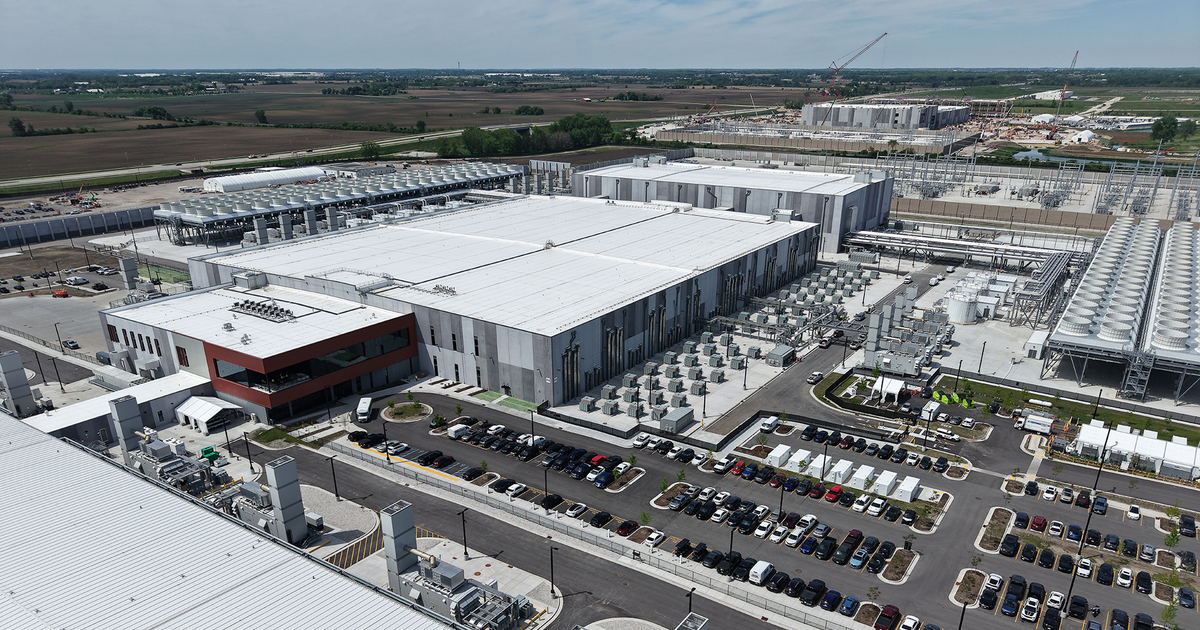
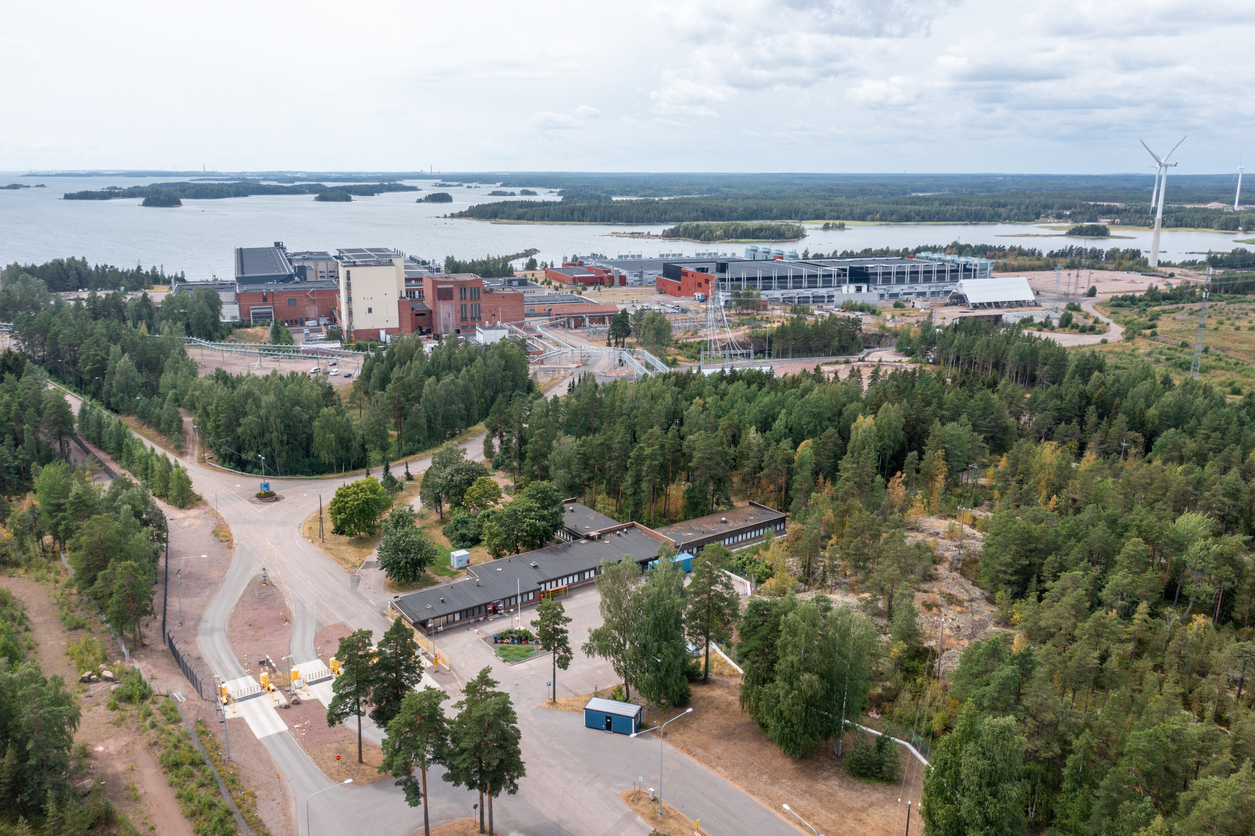
Finland's Licensing and Supervision Agency, known as the LVV, has ordered Tuike Finland Oy, Google's local project company, to halt construction at two data center sites in Muhos and Kajaani after more than 300 hectares of forest were cleared without the environmental impact assessments Finnish law requires. The LVV opened its inquiry on September 18, after a national conservation group alleged illegal logging at the sites, and confirmed the suspension order after Le Monde first reported it on October 6, well before Finnish outlets had picked up the story themselves.
The timeline that follows is unforgiving. Tuike Finland had until October 14 to explain its conduct and lay out next steps, or the LVV can open formal enforcement proceedings against the project. Regardless of that explanation, any work that would significantly alter the environment at the sites must stop by October 23. For a company used to moving on its own construction schedule, measured in quarters and tied to internal AI capacity targets, a regulator-imposed deadline measured in days is a different operating reality entirely, and one that does not bend for a buildout calendar.
The Scale of What's at Stake
This Finnish project carries real weight. Google has committed 13 billion euros, about 15.1 billion dollars, to its Finland buildout for 2027 and 2028 alone, the company's largest single European investment to date. The Muhos and Kajaani sites sit within roughly 1,400 hectares Google bought from state forestry company Metsahallitus in 2024, plus another 900 hectares acquired in Vaala this past February, alongside a community fund Google set up worth 31 million euros to smooth the relationship with local residents.
Google's existing Hamina campus, by contrast, is already running 140 megawatts with another 30 megawatts under construction, a working reference point for how fast the company can move when regulators are not standing in the way. The gap between that operating reality and a halted, under-investigation pair of sites is the clearest measure of what this dispute is costing Google in momentum, on a buildout the company has spent years positioning as proof that Europe can host AI-scale infrastructure responsibly.
The Allegations and Google's Response
Tommi Muilu, head of the LVV's environment department, said inspectors found that trees were removed, topsoil was stripped, site roads and storage areas were built, and drainage ditches were altered, all before the required assessments were complete. Hanna Halmeenpaa, chair of the Finnish Association for Nature Conservation, who filed the original suspension request in September, put it bluntly: either this reflects gross incompetence from Tuike Finland Oy, or a deliberate choice to clear first and seek permission later, and she said protected nature sites were among the areas logged.
Google's public response has stayed measured, saying only that it is advancing its landscaping and biodiversity plans as it continues long-term work in the region, and maintaining that it acted in good faith, conducted nature surveys, and added protections for high-value areas before and during clearing. The company has also committed to planting 130 hectares of trees at Muhos. The gap between the conservation group's language and Google's own statement captures the dispute in miniature, framed on one side as a timing issue and on the other as a pattern worth investigating.
Finland's Broader Bet on Data Centers Is Also on the Line
Google is far from the only operator betting on Finland right now. Applied Digital has announced plans for a 1 gigawatt campus in the country, and atNorth is developing a 75 megawatt first phase in Salo, part of a market Baxtel tracks at 139 facilities run by 58 providers nationwide. Satellite imagery reviewed by Finnish outlet Kaleva reportedly shows four separate cleared sites tied to the Google dispute, suggesting the scale of clearing goes beyond what a single project update would normally require.
That context is why this dispute reaches further than one company's permitting problem. If Finnish regulators demonstrate they will halt a project as large and as politically important as Google's, every other operator building there now has to assume the same scrutiny applies to its own sites, whether or not an inspector has shown up yet. A market that marketed itself on predictability just showed every operator in it exactly how unpredictable enforcement can become once a conservation group files a credible complaint.
What This Means for Site Selection Elsewhere
Finland has positioned itself as one of Europe's most attractive data center markets, with cheap renewable power, a cool climate, and until now a reputation for predictable permitting that made it a default answer for operators weighing Nordic expansion. A regulator moving this fast against a company as large as Google complicates that pitch, and it will not go unnoticed by other operators evaluating Nordic sites on the assumption that environmental review is a formality rather than a real gate standing between a land purchase and a working campus.
For enterprise buyers sourcing European capacity, the practical takeaway is to ask providers directly how they sequence land clearing against environmental assessment, not just whether a permit exists on paper somewhere in the deal room. Google is large enough to absorb a construction pause and a public dispute without materially changing its 2027 and 2028 commitments. A smaller provider managing your workload on a tighter margin may need far longer to recover, and the Finland case previews the kind of delay environmental enforcement can now impose almost anywhere in Europe.