Texas pulls the emergency brake
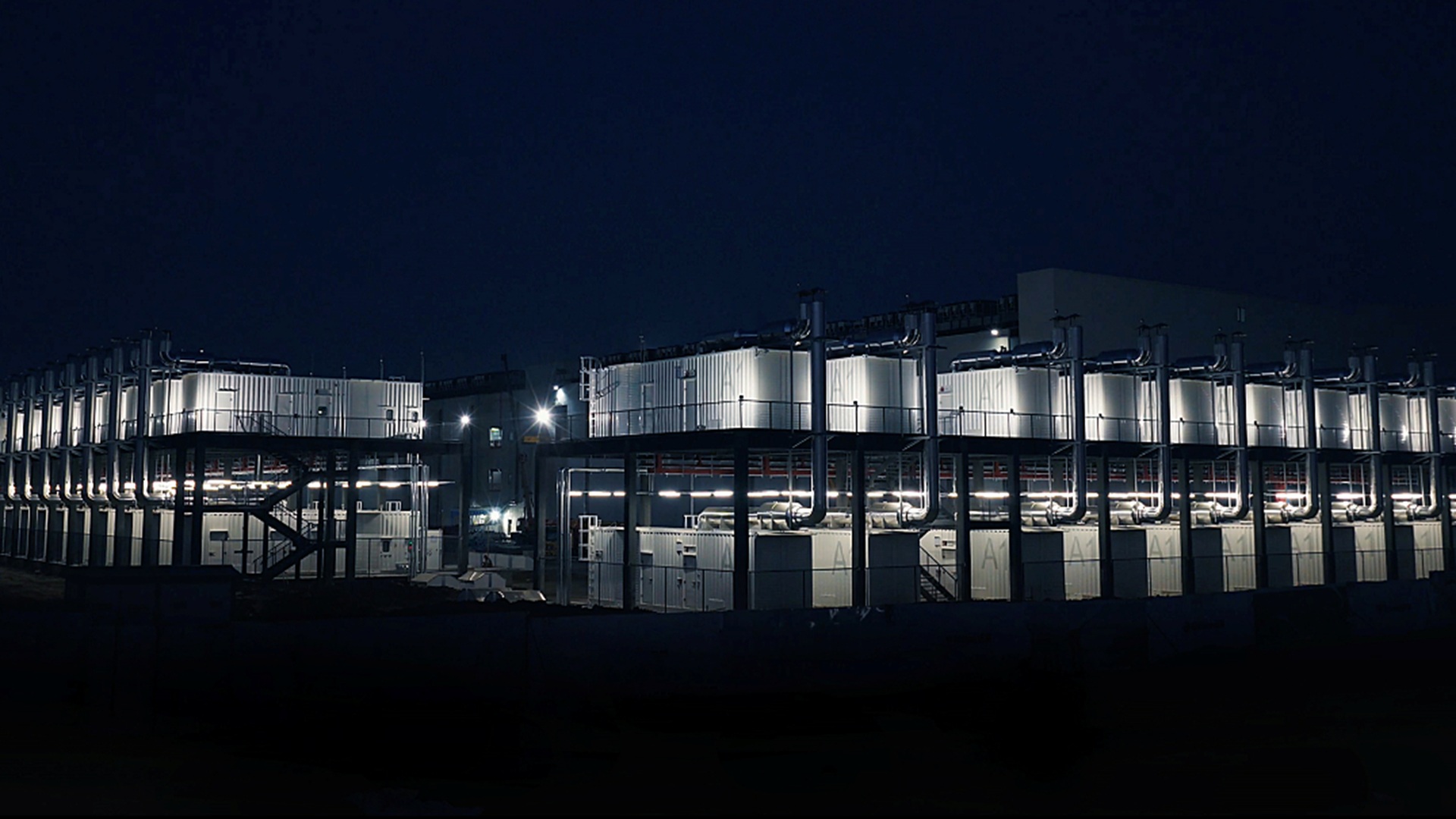
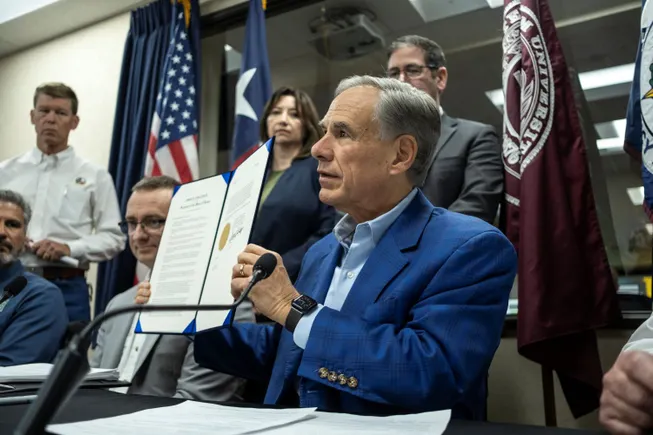
On August 3, Governor Greg Abbott ordered the Public Utility Commission of Texas and ERCOT to conduct a comprehensive audit of every data center project sitting in the state's interconnection queue. Until the audit is done, no new project gets a grid connection. Abbott had spent months asking data center and crypto mining operators to voluntarily disclose their power and water demands, a lighter-touch approach he tried before reaching for a mandatory freeze. Most companies simply did not respond to that voluntary request, according to reporting on the order, and the silence is what pushed a governor who has spent two years marketing Texas as the country's premier AI construction site into ordering a formal audit instead of continuing to ask nicely.
The audits will look at electricity and water demand, noise mitigation, lighting controls, tax incentive usage, and who actually owns each project. That last item matters most in practice. Texas has approved a wave of large-load interconnection requests filed by shell entities and land speculators betting they can flip a grid slot to a hyperscaler later at a markup, without ever intending to build anything themselves. Abbott's order is explicitly aimed at separating those speculative bets from committed capital already backed by financing, permits, and a signed customer, so the state can plan its grid around demand that will actually show up.
The math that forced the freeze
ERCOT's interconnection queue grew from 233 gigawatts in January 2026 to 474 gigawatts by August, a doubling in seven months. That figure is more than five times the state's own record peak electricity demand. Abbott has said roughly 90 percent of the new power requests in that queue come from data centers. No grid operator in the country can reasonably plan around a queue that large without assuming most of it will never get built, which is exactly the problem regulators are trying to solve before it becomes a reliability event.
ERCOT has already acted on the order. It delayed its Batch Zero transmission planning study, the first tranche of projects moving through the state's new large-load interconnection process, and will request a good cause exemption from the PUCT at its August 20 open meeting to justify the pause formally. That is a grid operator telling its own regulator it needs more time before it commits transmission capacity to the queue as currently written.
Industry wants clarity more than speed
The Data Center Coalition, the industry's main trade group, has kept its public response measured rather than combative. It said it hopes the audit process will "help separate those who are responsible water and energy stewards from those who are not," and urged regulators to "move swiftly in order to distinguish between speculative projects and serious, committed investors." A trade group asking regulators to move faster, rather than defending the queue as it currently stands, tells you the padding problem inside that 474 gigawatt figure is well understood inside the industry and not merely a talking point manufactured by critics of the buildout.
Legal advisors covering the sector have been blunter with clients. Firms tracking the order have warned operators to assess how the suspension affects project viability, lender security interests, and committed capital deployment schedules. Financing documents written against an assumed interconnection date now need a second look across every active Texas deal, because the date written into the term sheet may no longer hold once auditors start working through a queue five times the size of the state's peak demand.
Why Texas, and why now
Texas built its data center boom on light regulation, cheap land, and an ERCOT market that let large loads jump the queue faster than utilities in neighboring states could manage. That speed advantage is precisely what let speculative filings pile up alongside real projects for years without anyone forced to prove which was which. States running more deliberate interconnection processes, for all the extra delay operators complain about, never accumulated a queue five times their own peak demand, because filing a request in those markets was never cheap or fast enough to attract that volume of speculation.
Abbott has spent two years calling Texas the epicenter of American AI infrastructure, and the audit is best read as an attempt to protect that positioning rather than abandon it. Unmanaged growth in the interconnection queue was starting to threaten the grid reliability the entire pitch depends on, and a blackout tied to data center load growth would do far more lasting damage to Texas's reputation as an AI construction hub than a temporary freeze while regulators sort real, financed projects from paper ones sitting on speculative land.
What this means for site selection
If you have a Texas site in diligence or under contract, the audit is now a gating item on your critical path, not a formality. Expect the PUCT and ERCOT to ask for evidence most operators have not had to produce before: proof of financing, signed offtake or hyperscaler commitments, and real water sourcing plans rather than placeholder figures. Projects that can produce that paperwork quickly will likely move through the audit faster than the queue's overall size suggests.
The bigger lesson for anyone planning a multi-state buildout is that Texas's queue-jumping advantage was never free. It borrowed against future scrutiny, and the bill has come due at the exact moment demand for capacity is at its peak. Build timelines that assumed ERCOT would keep processing requests at 2025 speed need a new baseline, and that baseline should assume months, not weeks, of audit-driven delay before ground breaks on anything new.