A Week of Telling Appointments
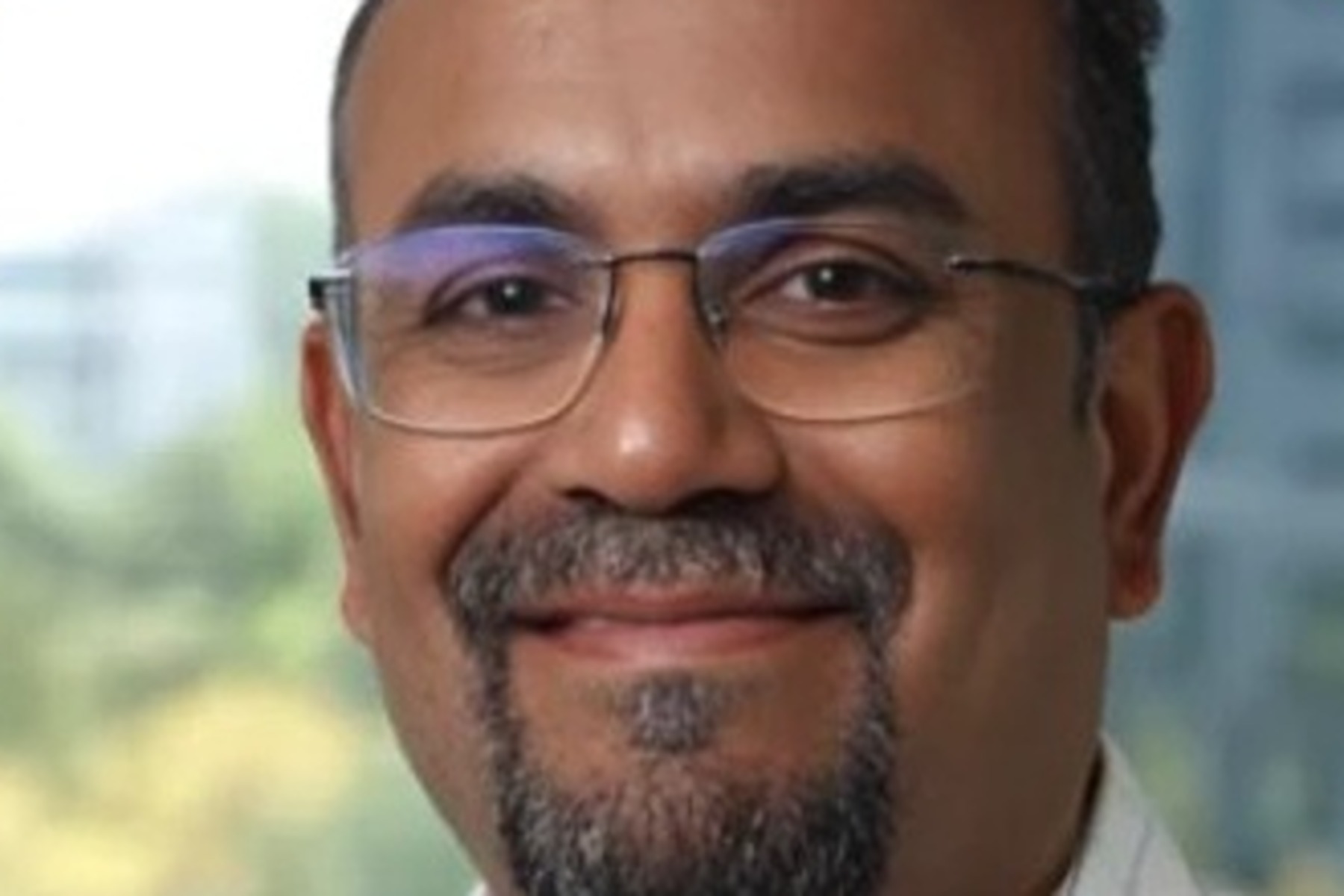
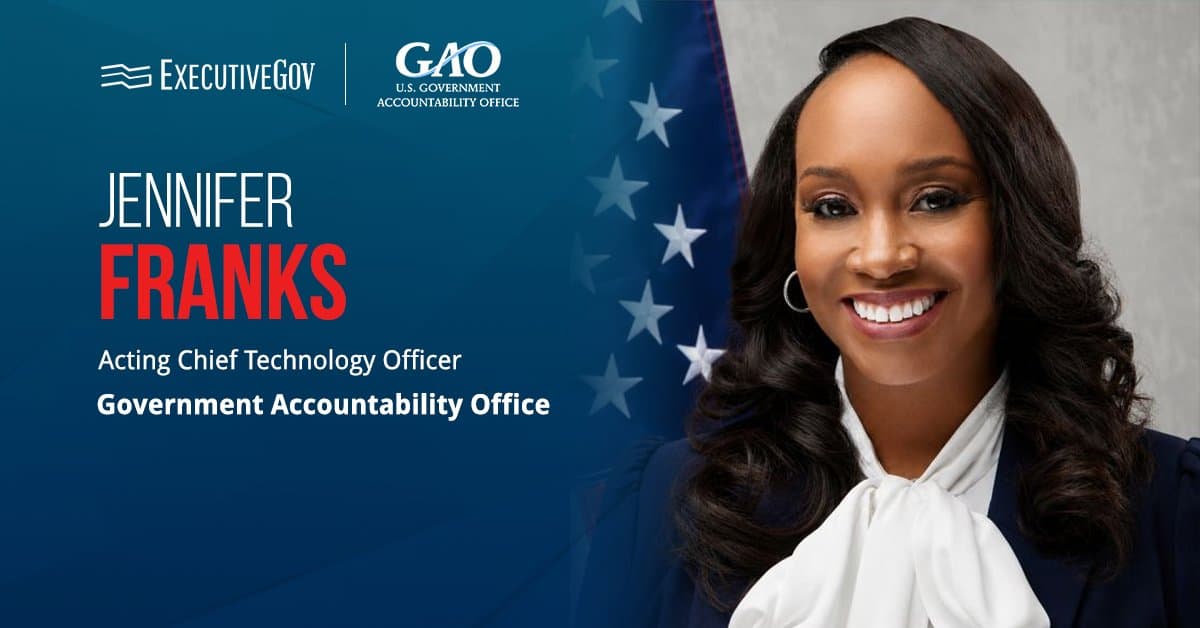
Two technology leadership changes landed in the same week, and while the organizations could hardly be more different, the job descriptions rhyme. The logistics platform project44 named Vinay Mathur as its chief technology officer, and the Government Accountability Office, the audit and investigative arm of the United States Congress, named Jennifer Franks as its acting chief technology officer. One is a fast growing private company, the other a federal watchdog, yet both reached for leaders whose remit centers on applied AI and security.
We pay attention to clusters like this because hiring is a leading indicator. When a commercial supply chain company and a government oversight body independently define the top technology seat around the same priorities, it tells you what the market believes the role now demands. The era of the CTO as primarily a platform steward is giving way to one in which the title means turning artificial intelligence into systems an organization can actually trust and operate.
A Stripe and SAP Pedigree Heads to Logistics
Mathur arrives at project44 with a resume built at the intersection of hyperscale platforms and enterprise software. Most recently he served as head of product engineering at Stripe, and earlier he held senior engineering leadership roles at SAP Ariba, GEP Worldwide, Microsoft Dynamics 365, PeopleSoft, and Oracle. That combination, consumer grade platform scale plus deep roots in procurement and enterprise commerce, maps neatly onto a company that connects more than a billion shipments a year for a thousand plus enterprise customers.
Chief executive Jett McCandless framed the hire in exactly those terms. Mathur has spent his career building enterprise products that AI agents now run on from procurement to global commerce, McCandless said. Mathur, for his part, described the task as turning AI from a demo into a system supply chain leaders can run on, a phrasing that captures the prevailing anxiety in enterprise AI. Plenty of organizations have impressive prototypes, and the value accrues to those who convert them into dependable production capability.
What the CTO Job Now Covers
Mathur's stated mandate reads like a snapshot of the modern remit. He will lead engineering, platform infrastructure, applied AI, architecture, and security, while advancing the company's AI agent portfolio, scaling its carrier network connectivity, building the data foundation for decision intelligence, and integrating an acquired business. Security and applied AI sit on the same line as core engineering, no longer separate disciplines bolted on after the fact.
That breadth is the point. The contemporary technology chief is expected to own the full arc from raw data to autonomous action, including the governance that keeps it safe. It is a demanding combination of skills, blending deep platform engineering with an understanding of how agents behave and where they fail. Companies that find leaders who can hold all of it together gain a real edge, because the alternative is a fragmented stack where AI ambitions outrun the foundations meant to support them.
In Government, Security Leads the Brief
At the Government Accountability Office, Jennifer Franks steps in as acting chief technology officer to help lead technology, data, innovation, and cybersecurity across the agency. Her elevation, announced this week, places a leader with a cybersecurity background at the center of how a major oversight institution modernizes. For an organization whose credibility depends on the integrity of its analysis, putting security at the heart of the technology mandate is more than symbolic.
The public sector faces the same pressures as private enterprises, often with tighter budgets and higher scrutiny. Agencies are under pressure to adopt AI to work more efficiently while defending against an increasingly aggressive threat environment, and the leaders who can balance those imperatives are scarce. Franks' appointment signals that, even in government, the technology chief is expected to be fluent in risk and resilience, not only in innovation and delivery.
A Tightening Market for Technology Talent
These two moves sit within a broader reshuffle that has run through 2026, with companies across banking, insurance, consumer goods, and the public sector refreshing their technology leadership with modernization and AI in mind. The pattern is consistent: organizations want leaders who can scale AI responsibly, harden security, and modernize aging platforms, frequently all at once. That is a rare blend, and the competition for it is intense.
For boards and executive teams, the implication is that the technology chief search has changed shape. The candidates in demand are not the ones who can merely keep the lights on, but those who can articulate and execute an AI strategy while owning the security posture that makes it defensible. Compensation, reporting lines, and the scope of the role are all expanding to attract them, and the organizations that move decisively are pulling talent away from those that hesitate.
The Skills That Now Command a Premium
Strip away the company names and a profile emerges of what employers will pay up for. The prized technology leader can speak fluently about how models behave and where they fail, has hands on experience deploying AI in regulated settings, and treats security as inseparable from delivery rather than as a compliance afterthought. That blend was rare a few years ago and is rarer still at the seniority these roles demand, which is one reason executive search timelines for technology chiefs have lengthened across so many industries this year.
The implication for aspiring leaders is to invest in the unfashionable half of the skill set. Plenty of technologists can speak eloquently to AI's promise, but far fewer can govern it, secure it, and run it reliably at scale under real constraints. The candidates being handed expanded mandates are the ones who pair vision with operational and security rigor. The gap between demonstrating a capability in a sandbox and dependably operating it in production is precisely where the next generation of technology chiefs will earn their seats.
Reading the Signal
Individually, a new CTO at a logistics platform and an acting CTO at a federal watchdog are routine personnel news. Together, and alongside a steady drumbeat of similar appointments, they sketch the contours of a role in transition. The job is consolidating around applied AI, data, and security, and the leaders who win these seats are being hired explicitly to operationalize technology rather than to administer it.
We expect the trend to accelerate as AI moves deeper into core operations. The organizations that thrive will be the ones whose technology leadership can convert ambition into governed, production grade systems, and the appointments of this week are small but clear evidence of where the market is heading. Watching who gets hired, and how their mandates are written, remains one of the most reliable ways to read where enterprise technology is going next.