A Resale Business Sur La Table Didn't Have to Build
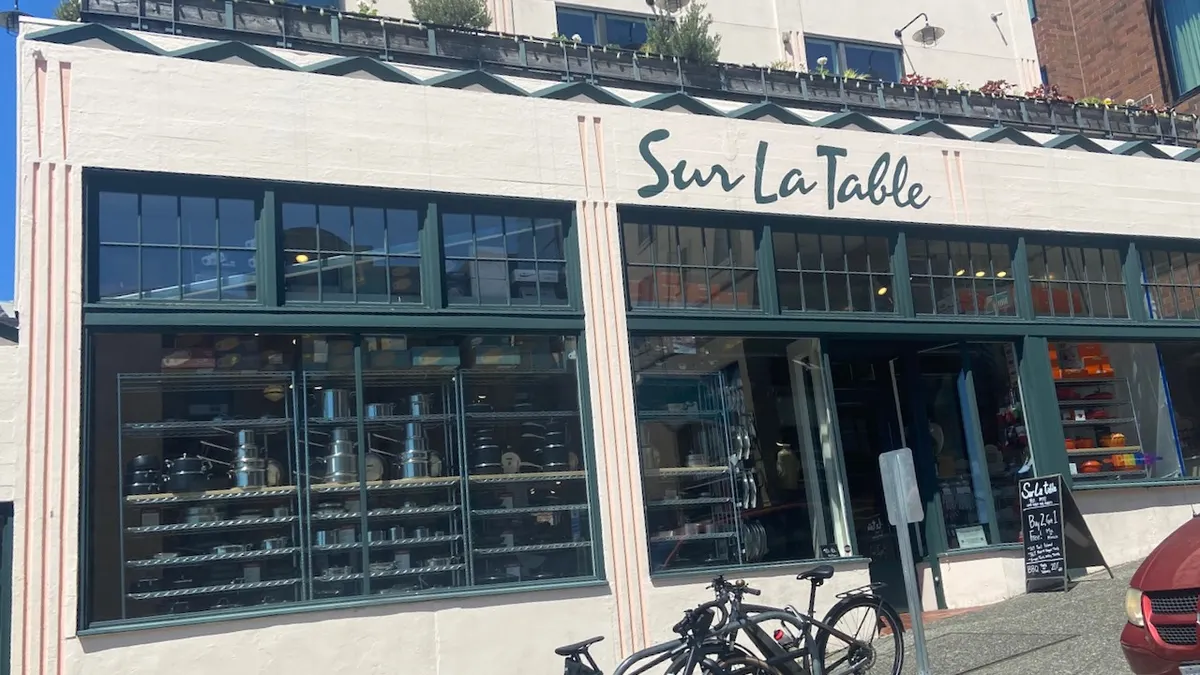
Sur La Table launched Second Servings this week, a peer-to-peer resale marketplace for kitchenware, cookware, and dining goods available to U.S. customers. Sellers list an item, ship it using a prepaid label, and choose between a payout of 70 percent cash or 100 percent of the sale value in Sur La Table store credit. Sur La Table president Dan Goldman described the pitch as giving a favorite piece its next chapter instead of a landfill, while helping younger and price-sensitive buyers discover premium kitchenware they might otherwise skip.
What makes this launch worth a CTO's attention is what Sur La Table did not have to build to ship it. Every piece of resale infrastructure, from payment processing to shipping logistics to customer support for secondhand disputes, runs on technology from Archive, a resale-as-a-service vendor that has quietly become the default backend for retailers who want a circular commerce program without a circular commerce engineering team. That distinction, infrastructure rented rather than owned, is the part of this story most likely to repeat across the rest of mid-size specialty retail over the next few years.
Archive's Bet on Resale Infrastructure
Archive built its business on a simple premise: nearly every retailer wants a resale channel, and almost none of them want to build the operational stack it requires. The company expanded beyond its original apparel focus into new categories, including home goods, in August 2025, backed by a 30 million dollar Series B round completed earlier that year. Its existing client roster, including The North Face, Lululemon, Yeti, Woom, and Peloton, shows the model working across categories with very different logistics profiles, from technical outerwear to bicycles.
That client list is the real evidence here. A resale platform that can handle a Lululemon legging return, a Yeti cooler, and now a Sur La Table Dutch oven without rebuilding its core infrastructure each time has solved a harder problem than any single retailer's internal team typically prioritizes. Archive's pitch to retail leadership is essentially that resale logistics, payments, and fraud handling are a shared utility problem, not a brand-specific one, and that belief is what lets a kitchenware retailer launch a full marketplace in a matter of months rather than years. The variation in product dimensions alone, from a folded jacket to a bicycle frame to a cast iron pan, means the shipping and authentication logic underneath the platform has to generalize across categories most retail technology teams would treat as entirely separate problems.
The Pricing Engine Doing the Quiet Work
Second Servings includes an automated pricing tool that adjusts listing prices over time, discounting unsold items by as much as 30 percent below original retail the longer they sit on the platform. That is a straightforward dynamic markdown model, the same logic outlet retailers have used for decades, applied here to peer-to-peer resale inventory that Sur La Table does not own and never has to physically hold. The retailer captures a cut of every transaction without carrying any of the inventory risk that traditional markdown pricing was built to manage.
This is where the build versus buy calculation gets interesting for other mid-size retailers watching from the sidelines. A dynamic pricing model tuned for secondhand goods, where condition and age matter far more than they do for new inventory, is a genuinely different engineering problem than markdown pricing for a retailer's own new stock. Renting that capability from Archive rather than building it in house lets Sur La Table skip a multi-quarter model development cycle entirely, launching with pricing logic that has already been tuned across several other retailers' resale volume.
Where This Sits Next to Retail's Other Resale Bets
Sur La Table's move follows a broader pattern of retailers treating resale as core commerce infrastructure rather than a side project, but the execution model here is distinct from retailers that build and operate their own circular commerce hubs internally. Sur La Table chose to rent the entire stack instead, which trades long-term margin capture for speed to market and near-zero engineering investment. Both approaches are rational depending on a retailer's existing technology bench and appetite for owning yet another operational system.
For a category specialist like Sur La Table, with a technology team sized for merchandising and store operations rather than marketplace engineering, the rent-don't-build path is almost certainly the correct call. The company gets a working peer-to-peer marketplace, a dynamic pricing engine, and a full logistics and support operation on day one, without diverting engineering headcount away from its core ecommerce and point-of-sale systems to build any of it from scratch. That is engineering capacity Sur La Table can instead spend on the merchandising and personalization work that actually differentiates its brand from a dozen other kitchenware retailers competing for the same shopper.
What Other Mid-Size Retailers Should Take From This
Archive's expanding client list is itself a signal worth reading. When resale-as-a-service infrastructure can serve apparel, footwear, cycling gear, and now cookware without a category-specific rebuild each time, the market has effectively standardized what used to be treated as a bespoke, brand-specific capability. Retail technology leaders evaluating a resale strategy should treat that standardization as an opportunity to skip years of internal platform development entirely, redirecting the budget that would have funded a custom build toward the merchandising and marketing work needed to make the resale channel actually sell.
The harder question for any retailer considering this path is how much of the customer relationship they are comfortable outsourcing along with the infrastructure. Archive, not Sur La Table, handles the customer support conversations when a secondhand Dutch oven arrives damaged. That tradeoff, speed and low investment against a thinner layer of direct control over the experience, is the real decision every retailer weighing a similar resale launch will need to make before signing a vendor contract rather than writing a technical spec. Brands with strong direct customer relationships built over decades may find that tradeoff harder to accept than a newer, digitally native brand with less legacy service infrastructure to protect.