Shopify Hands Merchants a Window Into the AI Shopping Black Box
On June 18, Shopify rolled out a set of tools aimed at one of the most frustrating blind spots in modern retail: merchants can see that AI shopping platforms are starting to send them traffic and orders, but they have almost no visibility into how it happens or how to influence it. The centerpiece is a new AI channel dashboard inside Shopify admin that gives merchants a unified view of sales, orders and conversions originating from ChatGPT, Google Gemini, Microsoft Copilot and Shopify's own Shop app. For the first time, the AI referral becomes a measurable channel rather than an anonymous trickle.
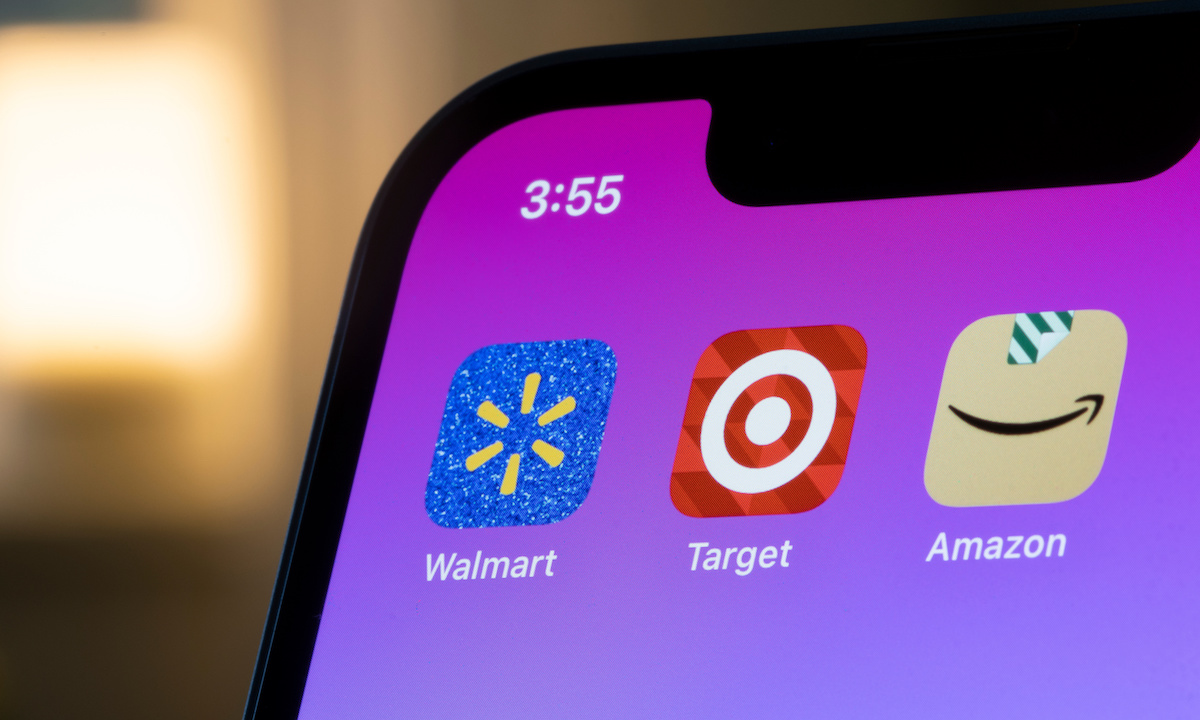
The timing is deliberate. AI chat interfaces still account for less than one percent of overall web traffic, but the trajectory is steep. Shopify points to AI referrals now exceeding 1.5 percent of traffic to large retailers such as Walmart and Target, up from under one percent a year earlier. With 41 percent of consumers using AI assistants to research products and 53 percent of U.S. consumers having used AI tools for purchase research, the platform is betting that merchants need instrumentation now, before the channel matters at scale.
Search Intelligence and the New Discoverability Problem
Two of the new tools attack a problem that did not exist two years ago: making a catalog legible to an AI agent. Search Intelligence shows merchants the common shopping queries circulating in their category and flags whether their products actually surface in AI-generated results. When a product is missing, it points to the gaps in product data that are suppressing visibility, turning an opaque ranking problem into a concrete data-hygiene checklist.
The companion Knowledge Base tool surfaces the questions AI assistants are asking about a merchant's business that currently go unanswered, things like store locations, return policies or bulk-ordering terms. Merchants can answer those questions directly in admin, effectively feeding the agents the structured information they need to represent the brand accurately. Together the two tools reframe discoverability as something merchants manage, not something that happens to them, which is a meaningful shift in posture.
Campaign Autopilot: A Marketing Agency in a Button
The most aggressive launch is Campaign Autopilot, an AI marketing agent that sets budgets and goals, then recommends, launches and optimizes advertising campaigns across Meta, Google, ChatGPT, Microsoft's network and Snapchat. Sachin Malhotra, Shopify's Director of Product for Merchant Marketing, was direct about the ambition. "With Campaign Autopilot, we're providing the capability by which merchants will be able to get a virtual marketing agency," he said, positioning the tool as a replacement for the agencies and freelancers that small brands cannot always afford.
That framing carries both promise and risk. For a time-strapped merchant, an agent that handles cross-channel campaign mechanics is genuinely valuable, and it deepens the merchant's dependence on Shopify as the orchestration layer. But handing budget authority to an autonomous agent raises governance questions Shopify will have to answer: how transparent is the optimization, how easily can a merchant override it, and who is accountable when an agent burns spend on the wrong audience.
Why Shopify Is Building the Plumbing, Not the Storefront
Aaron Glazer, a Director of Product at Shopify, tied the launches back to the company's agentic storefronts strategy. "One of the opportunities we had with the agentic storefronts is this opportunity to bring agentic commerce into a new home for them in Shopify admin," he said. The throughline is that Shopify is not trying to be the consumer-facing shopping agent. It is trying to be the infrastructure that makes its million-plus merchants legible and sellable across every agent that consumers actually use.
That is a defensible position. The consumer interfaces, ChatGPT, Gemini, Copilot, are still fighting over who owns the shopper, and that contest is far from settled. Shopify's bet is that whoever wins, merchants will still need a single control plane to manage product data, measure AI-driven sales and run marketing across all of them. By owning that plane, Shopify makes itself indispensable regardless of which agent comes out on top, a classic picks-and-shovels strategy applied to agentic commerce.
What Executives Should Take From This
For retail and commerce leaders, the practical message is that AI-driven traffic has crossed from speculative to measurable, and the tooling to manage it is arriving fast. The merchants who start instrumenting the channel now will understand its economics before competitors do, and they will have clean product data and answered questions feeding the agents while rivals are still invisible. Waiting until AI referrals are five percent of traffic means starting the data work years late.
We would temper the enthusiasm with a note on dependence. Each of these tools makes Shopify more central to a merchant's operations, which is the point from Shopify's perspective and a strategic consideration from the merchant's. Campaign Autopilot in particular deserves a careful pilot with tight budget guardrails before any brand lets it run unattended. The capability is real, but autonomy without oversight is how marketing budgets quietly evaporate.