A Regional Grocer Moves First
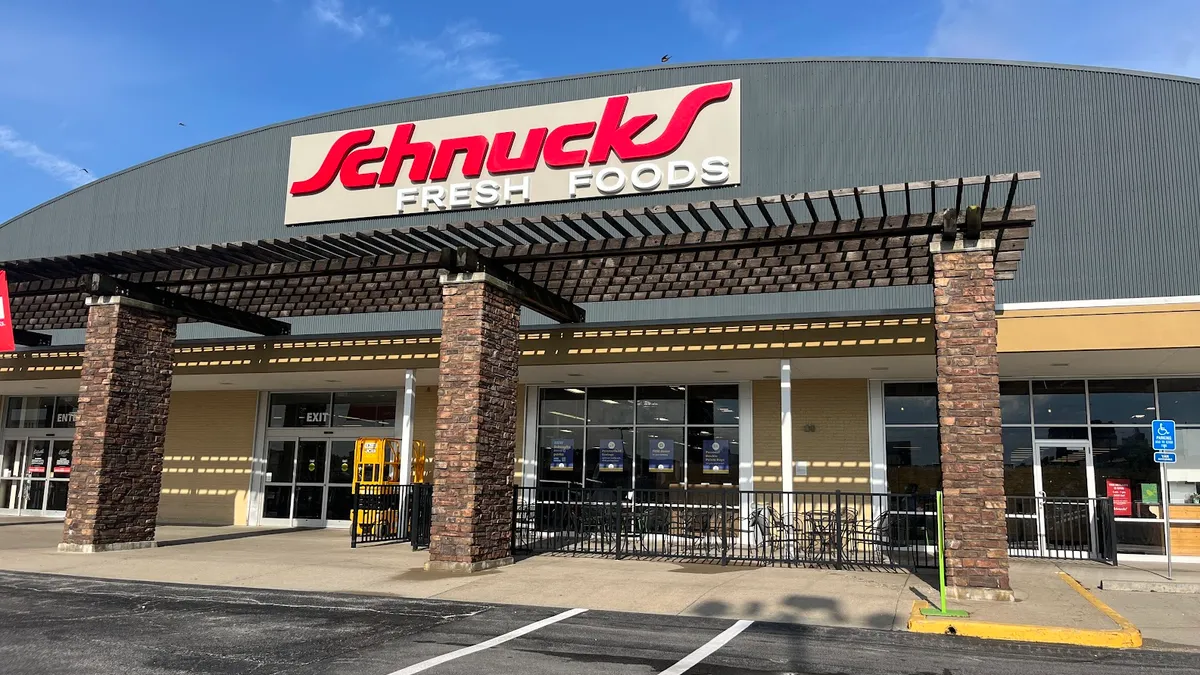
Schnuck Markets, a privately held grocery chain based in the Midwest, is rolling out an agentic AI shopping assistant across its app and website, built in partnership with a startup called VitalityIP. The deployment marks the first commercial rollout of VitalityIP's technology anywhere, which means Schnucks is not adopting a proven, battle-tested platform. It is the platform's launch customer. That is a notable sequencing decision for a company far smaller than the national chains that typically claim the first-mover label in retail AI.
Tom Henry, Schnucks Chief Data and Information Officer, framed the move as a direct response to customer demand rather than a competitive chess move: customers are telling the company they want trusted guidance across multiple aspects of their shopping visits. That framing matters. It positions the assistant as a service response to a stated need, not an experimental AI feature bolted onto the app to chase a headline. For enterprise readers, the distinction shapes how the rollout will be measured internally and how forgiving leadership will be if adoption is slow.
What the Assistant Actually Does
The tool draws on more than 6 billion lines of shopping, health, and nutrition data to generate personalized guidance. Functionally, it handles meal planning, nutrition recommendations, and product suggestions aligned to specific goals: weight management, healthy aging, physical recovery, and family wellness. That scope goes well beyond a typical grocery chatbot answering questions about store hours or aisle locations. It positions the assistant as a decision-support tool for health-adjacent purchasing, a category most grocers have approached cautiously given the liability exposure of anything resembling medical advice.
Six billion lines of data is a meaningful claim, but the source and provenance of that dataset matter as much as its size. Neither Schnucks nor VitalityIP has published a breakdown of where the health and nutrition data originates, whether it includes de-identified customer purchase history, licensed third-party nutrition databases, or some combination. Enterprise buyers evaluating a similar vendor relationship should push for that provenance detail before signing, because the answer determines both the tool's actual accuracy and the company's downstream liability.
The Independent-Retailer Advantage
National grocery chains carry layers of legal review, brand risk committees, and public-company disclosure obligations that slow any launch touching health data. A privately held regional chain like Schnucks can move through that same decision faster, with fewer stakeholders required to sign off before a launch. That speed advantage is real, and it explains why an independent grocer beat Kroger, Albertsons, and Walmart to a health-aware agentic assistant despite having a fraction of their technology budgets and data science headcount.
The tradeoff is that Schnucks also carries the full downside if the assistant gives bad nutrition guidance to a customer managing a real medical condition, without the deeper legal and compliance infrastructure a Fortune 500 grocer would have in place. Being first to market in a sensitive data category is a genuine advantage until the first public misstep, at which point the absence of that infrastructure becomes the story instead of the launch.
The Governance Question Every CDO Should Ask
Health and nutrition data sits in an uncomfortable regulatory middle ground for retailers. HIPAA governs protected health information held by hospitals, insurers, and other covered entities, and a grocery chain sits outside that definition entirely. The data still carries the same sensitivity and reputational exposure as protected health information whenever it is mishandled, breached, or used in ways a customer did not anticipate when they signed up for a loyalty app. A Chief Data and Information Officer evaluating a similar deployment needs a documented answer on data retention windows, third-party sharing terms with VitalityIP or its future partners, and plain-language customer consent, and that answer needs to exist before launch day rather than get drafted after adoption already grows and a regulator or reporter starts asking questions.
The vendor relationship itself is a risk vector worth naming directly. VitalityIP is an early-stage company launching its first commercial deployment through this exact partnership, which means Schnucks is exposed to the startup's own operational maturity, funding stability, and security practices in addition to the model's accuracy. Enterprise buyers routinely underweight this exposure when a vendor pitch focuses entirely on the product's stated capability rather than the vendor's own resilience as a going concern. A due diligence checklist for this category of deal should include the vendor's runway, its incident response plan, and what happens to the data and the customer relationship if the startup is acquired or shuts down within the next two years.
Why This Matters Beyond Grocery
The Schnucks deployment is a useful proof point for any retailer considering agentic AI tied to sensitive personal data, well beyond grocery specifically. The underlying pattern, partnering with an early-stage AI vendor to move faster than an internal build timeline would allow, in exchange for accepting the risk that comes with being a first commercial deployment, will recur across categories including beauty, wellness, fitness apparel, and pet care, anywhere purchase history correlates with health or lifestyle inferences a customer never explicitly volunteered to share with the retailer in the first place.
CTOs at PE-backed retail and commerce companies should treat this as a template worth evaluating carefully rather than a competitor to match immediately on instinct. The build-versus-partner math changes meaningfully when the partner is an unproven startup rather than an established platform vendor with a multi-year track record and existing customers to reference. The governance groundwork, consent language, data retention limits, and a clear incident response plan, needs to happen before the vendor contract is signed and the feature ships to customers, not scrambled together during the first public complaint or the first reporter's phone call.
The Roadmap Implication
For enterprise technology leaders in grocery and adjacent categories, the immediate action item is an inventory exercise: which parts of your existing purchase data could plausibly support health, wellness, or lifestyle inferences if run through a similar model, whether you have built one or not. That inventory should happen regardless of whether your organization plans to launch an agentic assistant this year, because the governance exposure exists the moment the data exists, not the moment a product ships.
Schnucks has effectively run a live experiment the rest of the grocery industry can now watch from the sidelines. If the assistant drives measurable basket growth without a public data incident, expect national chains to move quickly toward similar partnerships, likely with better-funded, more established AI vendors than a first-time deployment partner. The window for building an in-house alternative before that competitive pressure arrives is closing faster than most retail technology roadmaps currently assume.