A phone call did what no exploit could
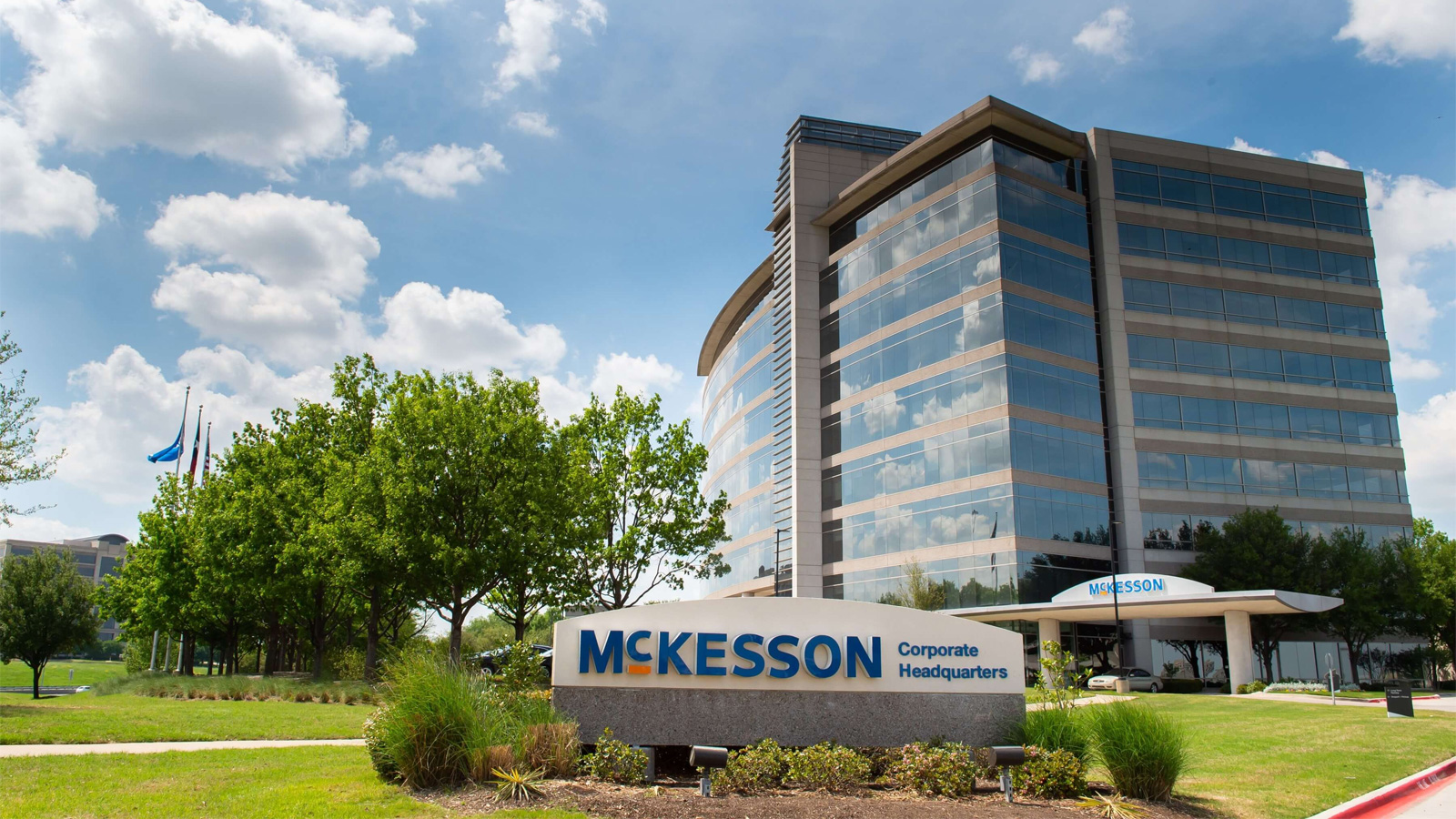
McKesson disclosed on August 28 that ShinyHunters accessed its systems between August 21 and 25 by calling employees directly and persuading them to hand over Okta single sign on credentials. There was no exploited software vulnerability behind this incident, no zero day, no unpatched server anyone can point to as the root cause. The attackers picked up a phone, impersonated someone with legitimate reason to ask, and the request eventually landed on an employee with enough access to grant it. Voice phishing, or vishing, has become one of the most reliable ways into large enterprises precisely because it targets a layer no patch cycle protects.
That distinction matters more than the eventual record count. Every enterprise that consolidated identity through single sign on over the past decade did so on the promise that fewer credentials mean a smaller attack surface and less password fatigue for employees. McKesson's incident shows the other side of that trade in stark terms: fewer credentials also mean that compromising a single identity can unlock Salesforce, Snowflake, and everything else sitting behind the same login, in a single afternoon, with no code exploited and no malware installed anywhere in the chain.
The data haul was broad because the access was broad
Once inside, ShinyHunters spent four days pulling data out of McKesson's Salesforce and Snowflake environments, an exfiltration effort that reportedly totaled roughly a terabyte and about 284 million raw records. Reporting on the incident describes the exposure as including names, home addresses, dates of birth, Social Security numbers, patient and medical record numbers, medication and allergy details, diagnosis codes, appointment history, and physician information tied to patients across the healthcare providers McKesson serves. Separately, the same intrusion pulled McKesson's own employee records, internal financial invoices, and raw Salesforce data covering the company's commercial operations.
That range, patient health information and corporate HR and financial records surfacing from a single breach, is the direct consequence of a single identity provider sitting in front of every downstream system a modern enterprise runs. McKesson distributes pharmaceuticals and medical supplies to hospitals and pharmacies across the country, which means the practical blast radius of this incident extends well beyond McKesson's own headcount to every provider and patient who trusted the company with sensitive data through a supply relationship they never chose to audit themselves.
McKesson said no to 55 million dollars
ShinyHunters demanded 55,236,150 dollars within a tight 72 hour window, a figure specific enough to suggest the group had already sized the data's black market value before making contact. McKesson did not respond to the demand and did not negotiate, according to reporting on the incident. The company's public statement was measured and carefully hedged: it said it takes the security and privacy of its partners, customers, and their patients very seriously, and that it activated incident response protocols immediately upon discovery of the intrusion.
Refusing to pay is the right call on principle, since payment funds the next attack and comes with no verifiable guarantee that stolen data is actually deleted rather than resold quietly later. But refusal does not undo the exposure that already happened. McKesson has warned its customers of potential service disruptions while the investigation continues, and the company filed a Form 8-K with the Securities and Exchange Commission stating that the incident's financial materiality has not yet been determined, leaving investors and partners with an open question rather than a number.
ShinyHunters is running a playbook, not improvising
ShinyHunters has built a documented track record around this exact move: target large organizations through social engineering aimed at cloud platform access rather than through code exploitation, then extort the victim publicly rather than quietly reselling the data on criminal forums. Healthcare and pharmaceutical distribution networks are attractive targets precisely because the resulting data is both sensitive and durable. You cannot reissue someone's medical history the way a bank reissues a stolen card number, which gives the stolen data lasting extortion value long after the initial breach headline fades.
For enterprises that have consolidated identity, customer relationship management, and data warehousing into a handful of vendor platforms, this is the threat model that should be shaping security budget allocation right now, well ahead of any theoretical zero day scenario a vendor might pitch. Voice phishing succeeds against people, and people answer phones at every organization regardless of how well its infrastructure happens to be patched or how mature its vulnerability management program looks on paper.
What this means for the identity stack you already bought
If your organization runs Okta, Salesforce, or Snowflake, and most large enterprises run at least one of the three, the McKesson incident deserves an actual tabletop exercise rather than a passing mention in a security newsletter. The specific question worth answering with your help desk and identity team present: does your organization have a documented, phishing-resistant process for verifying identity before resetting credentials or granting elevated access over the phone, and has that process actually been tested against a live, unannounced social engineering attempt within the past twelve months rather than assumed to work.
Phishing-resistant multifactor authentication, meaning hardware security keys rather than push notifications or SMS codes that a convincing phone call can talk someone into approving, closes most of this specific gap. It is a known, mature fix that many enterprises have deprioritized because it adds friction for employees and support desks alike. McKesson's four day, terabyte scale breach is the concrete, quantified cost of that deprioritization, and it is a far more persuasive budget argument than any hypothetical threat briefing.
The board conversation this should trigger
CIOs and CISOs should expect this incident to surface in the next board meeting whether or not their own company runs McKesson's exact vendor stack, because directors read the same headlines everyone else does and will ask the obvious question anyway. The useful answer is not a reassurance that your company does not use these specific vendors. The useful answer is a clear walkthrough of what a single compromised single sign on identity can actually reach inside your own environment today, and what mechanism would detect that access happening inside a four day window rather than discovering it only after the data is already gone and a ransom note has arrived.
McKesson's exposure grew as large as it did because its identity architecture granted broad reach from a single credential, a design choice nearly every enterprise makes when it wires identity, CRM, and data warehousing together for the sake of convenience and speed. Undoing that integration is not the answer boards should demand. Real friction at the identity layer, genuine monitoring of unusual cross-platform access patterns, and a tested verification process for high-risk credential requests are what actually close the gap McKesson just demonstrated in public.