The deal, in numbers
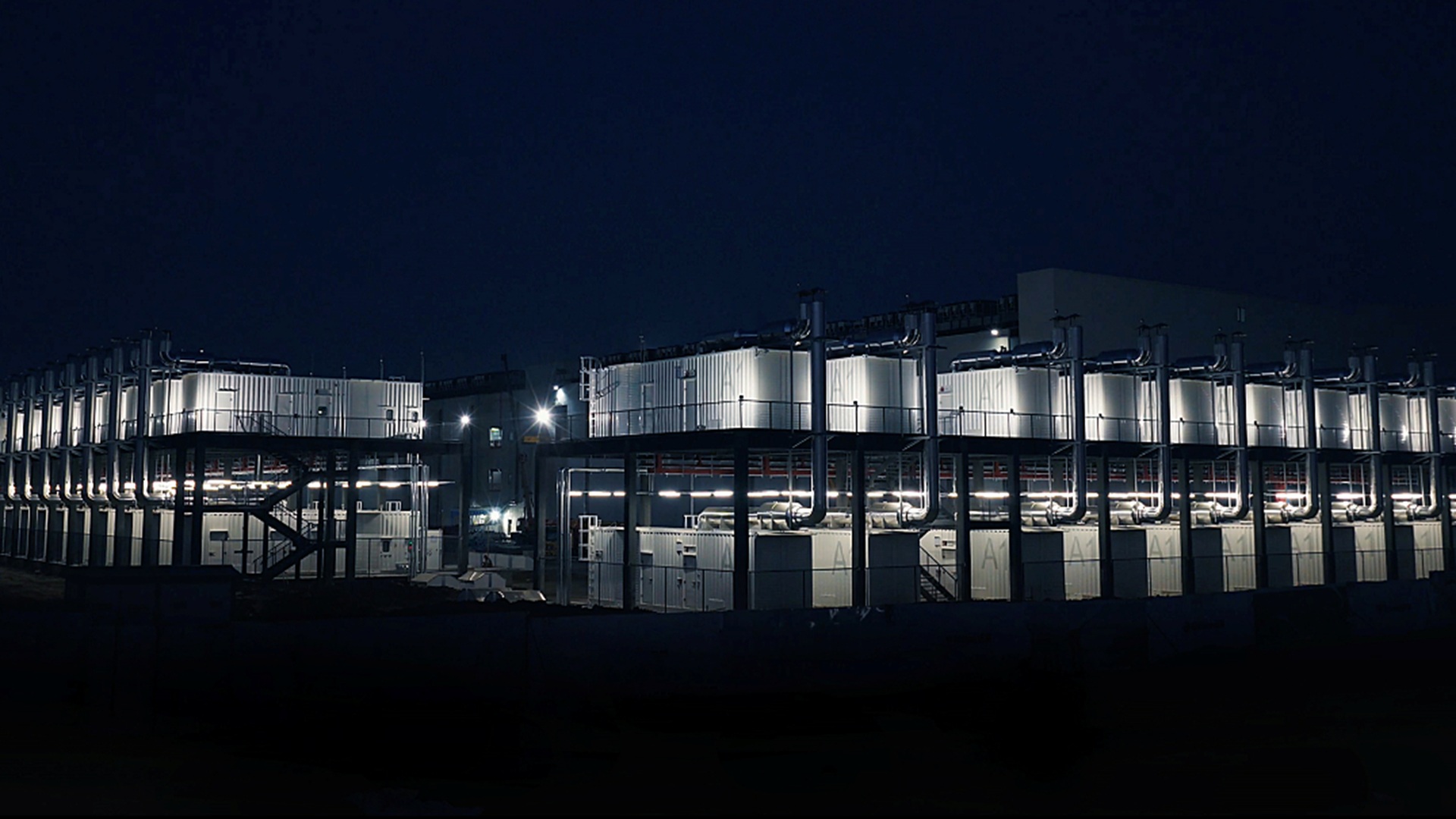
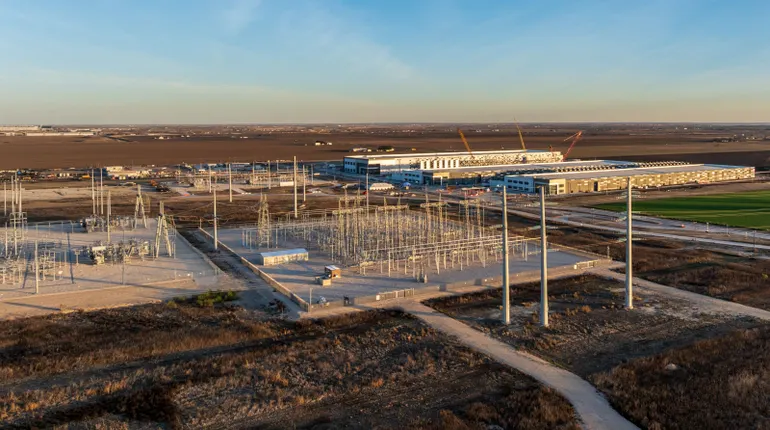
NRG Energy told investors on its second quarter earnings call that it has aligned on principal commercial terms with a global cloud and AI hyperscaler to build a 1.2 gigawatt combined-cycle natural gas plant in Texas, with a path to expand to 2.4 gigawatts. The initial phase carries a price tag of $3.2 billion, works out to roughly $2,670 per kilowatt of capacity, and targets delivery by the end of 2029 under a contract running at least 15 years. NRG has not named the hyperscaler, and the agreement is still subject to final documentation and regulatory approval.
The structure is what makes this deal notable rather than the size. More than 95 percent of the plant's cash flow comes from fixed capacity payments, not from metered electricity use. CEO Robert Gaudette summarized it plainly: "Put simply, we're paid for the megawatts we build and make available, not for how much the data center runs." That flips the usual utilization risk in a power contract onto the customer rather than the generator.
Bring your own power, explained
NRG calls this its Bring Your Own Power strategy, and the pitch to hyperscalers is straightforward: fund dedicated, behind-the-meter generation instead of waiting in a public interconnection queue that can take years and, in Texas's case, is currently frozen. The hyperscaler gets a guaranteed power source it controls the timeline on. NRG gets a long-term, largely fixed-revenue contract that does not depend on the data center hitting any particular load factor.
Gaudette framed this as the industry converging on NRG's model rather than the other way around. "The environment has changed. Our strategy has not," he said. "In fact, the direction of policy is moving toward the model we've been building from the beginning." That is a confident claim, but it lines up with what regulators in Texas and elsewhere are now demanding: proof that large loads bring their own generation instead of leaning entirely on public grid capacity.
Why the Texas freeze does not touch this deal
Governor Greg Abbott's audit order paused new interconnections for projects waiting on ERCOT's public queue, which swelled to 474 gigawatts of requests this year as data centers and crypto miners piled in behind speculative filings. Asked directly whether that freeze threatens NRG's pipeline, Gaudette said, "I think we're OK." The logic behind that confidence holds up on inspection: a dedicated gas plant built specifically to serve one customer, sitting off the public grid entirely, simply is not competing for the same interconnection slots that triggered the audit and the queue math regulators are worried about in the first place.
That distinction is becoming a real fork in the road for site selection across the entire state. Projects dependent on ERCOT's shared interconnection queue now face audit-driven delay measured in months, with no firm date for when the freeze lifts. Projects structured as dedicated, self-supplied generation can plausibly keep moving on their original schedule regardless of how long the audit takes. Expect more hyperscalers to approach independent power producers for BYOP-style deals specifically because the structure routes around the exact bottleneck regulators are now scrutinizing, turning what used to be a niche financing choice into a mainstream siting strategy.
The cost of certainty
Capacity payments that hold regardless of utilization are expensive insurance, and someone always ends up paying for that certainty. A hyperscaler locking in 15 years of fixed payments on a $3.2 billion plant is committing capital most enterprises never touch, all to guarantee power availability on a timeline it controls rather than one set by a public grid operator's queue. That is a rational trade only at the scale and time horizon frontier AI labs and their cloud backers operate on, where a delayed data center can mean a delayed model generation, a missed training run, and a lost competitive window measured in months.
NRG's CFO Bruce Chung flagged one wrinkle worth watching alongside the Texas deal: the impact of Virginia's participation in the Regional Greenhouse Gas Initiative "was not included in our underwriting" for related projects in that state. That admission is a reminder that even BYOP deals structured to route around one category of regulatory risk still carry exposure to policy directions that were not obvious when the term sheet was signed, and Texas is unlikely to be the only state where environmental or grid policy shifts mid-build on a project already under construction.
What this means for buyers of cloud capacity
If your roadmap depends on a hyperscaler's Texas capacity coming online on schedule, ask your account team a direct question: does that capacity sit behind a public ERCOT interconnection, or a dedicated BYOP arrangement like the one NRG just described on its earnings call. The answer materially changes your delivery risk right now, with one path frozen pending a state audit that could run months and the other explicitly exempted by the company building it, according to its own chief executive.
More broadly, this deal is a signal that independent power producers are gaining real leverage in AI infrastructure negotiations that used to run almost entirely on hyperscaler terms. Enterprises evaluating build versus buy for their own compute footprint should expect power availability, not chip supply, to become the binding constraint that determines which regions and which vendors can actually deliver on stated timelines over the next three years, and should price that risk into any long-term capacity commitment they sign this year.