The contract
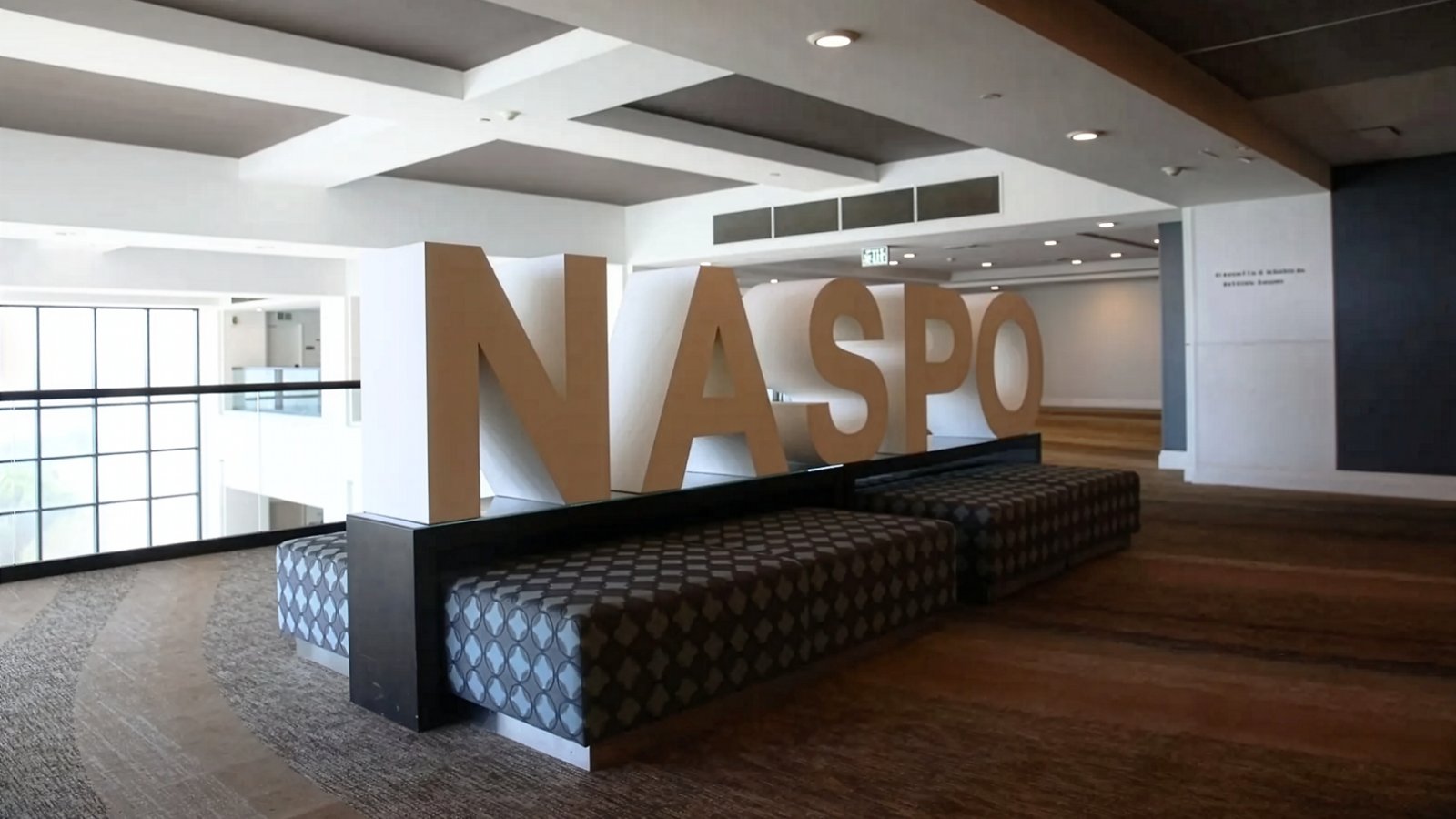
Kyndryl has secured a 10 year NASPO ValuePoint Cloud and Software Solutions contract, giving it a standing procurement vehicle to serve state agencies, higher education institutions, counties, municipalities, and other public entities across the United States. NASPO ValuePoint is the cooperative purchasing program that lets any of the 50 states, the District of Columbia, US territories, and their political subdivisions buy off a pre negotiated contract instead of running a separate procurement each time, which is precisely what makes a single award this valuable.
Anita Mikus, Kyndryl's VP and managing director of US state and local government, framed the pitch around a specific gap: state and local agencies need technology partners that understand both mission critical systems and the realities of public sector procurement. That framing matters because most large systems integrators are built to win one big deal at a time, not to operate as a standing vendor that thousands of separate public entities can each call on independently over a decade.
What is actually being modernized
The contract's service scope reads like a checklist of the oldest and newest problems in government IT at once. On one end, it covers modernizing legacy mainframe systems, the COBOL era platforms that still run core benefits and licensing functions in many states. On the other, it covers unmistakably citizen facing digital services: driver's license renewal, vehicle registration, appointment scheduling, and contact center as a service solutions that residents interact with directly.
Putting both ends of that spectrum in the same contract is the more interesting decision than the contract's size. Most modernization programs still treat the mainframe and the citizen facing portal as separate initiatives with separate budgets and separate timelines, one owned by an infrastructure team and one owned by a digital services team, and the seams between them are where most public sector digital transformation projects actually fail. A single award structure at least removes the procurement excuse for keeping them apart.
One procurement vehicle, many buyers
The NASPO ValuePoint structure itself deserves attention from any enterprise CIO who has ever complained about procurement cycles. Rather than each of the fifty states running its own year long RFP process to hire a mainframe modernization partner, a single cooperative contract lets any eligible entity execute a purchase order against terms that are already negotiated and vetted. That collapses what would otherwise be dozens of parallel, redundant procurement processes into one.
We think this is an underused model outside government. PE backed portfolios running similar modernization needs across a dozen portfolio companies rarely negotiate a single master agreement with a preferred vendor and let each portfolio company execute against it; instead, each portfolio company runs its own vendor selection from scratch, at real cost in time and negotiating leverage. The public sector figured out the economics of this years ago, and enterprise procurement teams managing multi entity organizations are worth studying it.
The Bridge platform bet
Kyndryl is pitching its Bridge integration and orchestration platform as the connective layer across this contract's disparate services, from mainframe modernization to contact center deployments. That is consistent with the broader strategy Kyndryl has pursued since spinning out of IBM in 2021: position itself as the neutral orchestration layer that sits across a customer's existing vendor landscape rather than pushing customers toward a single proprietary stack the way a traditional systems integrator with its own hardware or software line tends to.
That bet only pays off if Bridge can genuinely operate across the wildly heterogeneous technology environments state and local governments actually run, which range from decades old mainframe COBOL applications to modern cloud native citizen portals built on completely different architectures. A ten year contract gives Kyndryl the runway to prove that claim at scale, across a customer base too fragmented and too varied for almost any other vendor to test it against in one engagement.
What this signals about Kyndryl's broader strategy
Kyndryl describes itself in this announcement as the world's largest IT infrastructure services provider, a claim that reflects the scale it inherited from IBM's managed infrastructure business at spinoff. Winning a decade long, fifty state cooperative contract is exactly the kind of deal that plays to that inherited scale advantage, since few competitors can credibly commit to servicing every jurisdiction in the country under one agreement without stretching their delivery capacity past the point of reliability.
For private sector CIOs evaluating long horizon modernization vendors, the ten year commitment itself is the signal worth reading. Most enterprise IT contracts run three to five years precisely because nobody wants to underwrite a decade of execution risk against technology that will change dramatically in the meantime. A vendor willing to sign a ten year public sector deal is telling you something about how it prices long duration modernization risk, information worth asking for directly the next time your own multi year ERP or infrastructure contract comes up for renewal.
The risk this contract does not resolve
A ten year cooperative contract solves the procurement problem, but it does not by itself solve the execution problem, and state and local government IT projects have a long, well documented history of missing deadlines and budgets even when procurement went smoothly. NASPO ValuePoint gives thousands of agencies the ability to buy from Kyndryl quickly, but each individual mainframe modernization or citizen portal rollout will still live or die on the same project management fundamentals that determine outcomes in the private sector: clear requirements, realistic staffing, and honest status reporting up the chain.
The real test of this deal will not be the announcement, it will be whether individual states and municipalities actually execute purchase orders against it at meaningful scale over the next few years, and whether the mainframe modernization work in particular delivers measurable service improvements rather than becoming another multi year program that quietly slips. Enterprise CIOs watching this space should treat the contract award as the starting gun, not the finish line, and look for public case studies of completed rollouts before drawing conclusions about whether the Bridge orchestration model actually works at this scale.