What Kohl's Actually Changed
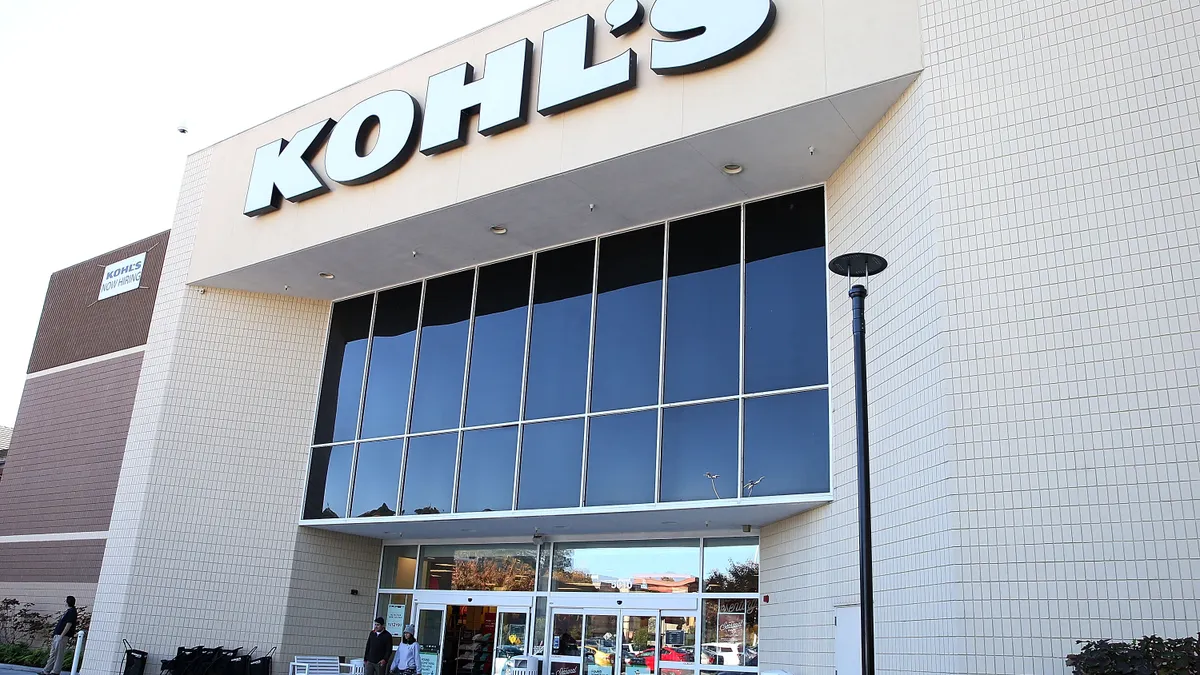
Kohl's announced this week that it is creating a chief customer officer role and handing it to Arianne Parisi, who had been serving as chief digital officer. The new position consolidates oversight of loyalty programs, personalization initiatives, marketing, digital commerce, and omnichannel customer experience under one executive reporting directly to CEO Michael Bender. Christie Raymond, who had been chief marketing officer, is leaving the company as a direct result of the restructuring, since her function is being absorbed into Parisi's expanded mandate rather than continuing as a separate reporting line.
Bender's stated rationale was straightforward: bringing marketing and digital together under one leader will help foster greater focus on the full customer lifecycle. That is a clean explanation, but it also describes a fairly significant demotion of marketing as an independent executive function at a department store chain that has spent years trying to modernize how it reaches and retains shoppers against Amazon, TJX, and a fast growing off price sector, all of which have invested heavily in the exact loyalty and personalization capabilities Parisi's expanded role now controls.
The Chief Digital Officer Title Is Quietly Disappearing
We have tracked this pattern across retail for two years now: companies stand up a standalone chief digital officer role during the pandemic era digital rush, then fold it back into a commercial function once digital commerce stops being a novelty and starts being simply how retail works. Kohl's just did exactly that, except it went a step further by making the surviving executive senior to the marketing function she absorbed rather than the reverse.
That ordering choice is the real story here. Parisi did not get folded into a marketing led structure, marketing got folded into a digital led one. For a company whose stock and customer traffic have both struggled against value focused competitors, putting the digital and loyalty operator in charge of the combined customer function, rather than a traditional brand marketer, is a bet that data driven personalization and digital engagement now matter more to Kohl's turnaround than brand campaigns do.
Why the CMO's Exit Matters More Than the New Title
Executive reorganizations that create a new title rarely make anyone else leave. This one did, and that is the detail worth sitting with. Christie Raymond's departure was not framed as a resignation for unrelated reasons, it was framed as a consequence of the merger itself, which tells us Kohl's leadership concluded the two functions could not coexist as peers and chose the digital side to lead the combined organization rather than asking Parisi to report into a marketing led structure instead.
For any executive team watching from the outside, that is a governance lesson worth internalizing: when you merge two C-suite functions, someone loses their seat, and the person who keeps it usually reveals which discipline the company has decided matters more going forward. Kohl's just told the market, through an org chart decision rather than an earnings call soundbite, that digital and loyalty data now outrank brand marketing in its customer strategy, a sequencing choice that will shape which vendors and platforms get budget priority for the next several quarters.
The Pattern Beyond Kohl's
Kohl's is not making this call in isolation. Across department stores and mid-tier retailers, we have watched chief digital officer roles either get eliminated outright or absorbed into broader commercial titles as boards conclude that treating digital as a standalone silo slows decisions rather than speeding them up. The pattern tends to show up hardest at retailers under margin pressure, where the cost of running parallel marketing and digital organizations, each with its own analytics stack and its own budget request, is easier to justify cutting than it was during the pandemic era digital land grab.
What distinguishes the Kohl's version is the direction of the merger. Most of these consolidations fold digital into marketing, treating digital commerce as a channel marketing manages and leaving a marketing executive in charge of the combined function. Kohl's did the opposite, and that inversion is the signal worth watching for other retailers weighing the same reorganization: it suggests that where loyalty and personalization data already live, and who already controls the systems that generate it, matters more to the outcome than which function historically held the senior title or the bigger headcount.
What This Means for Retail Technology Roadmaps
If you run technology for a retail or commerce business, the Kohl's reorganization is a useful prompt to ask where your own digital commerce roadmap currently reports, and whether that reporting line matches where the company is actually placing its bets. A chief customer officer structure like the one Kohl's just built puts loyalty data, personalization, and digital commerce infrastructure under a single commercial owner, which can accelerate decisions but also means technology priorities now compete directly against marketing spend for the same executive's attention and budget, rather than sitting in a protected technology lane with its own advocate at the table.
The implication for CIOs is to get ahead of that ambiguity rather than wait for it to be resolved by reorganization. Build the case for digital commerce and personalization investment in terms the combined customer function will actually prioritize, lifecycle value and loyalty retention, not just platform modernization, because that is the language the surviving executive in a merger like this one has already told the market she speaks. Waiting for a similar reorg to force that translation on you is a much worse position than doing it proactively now.