What eBay is actually staging this week
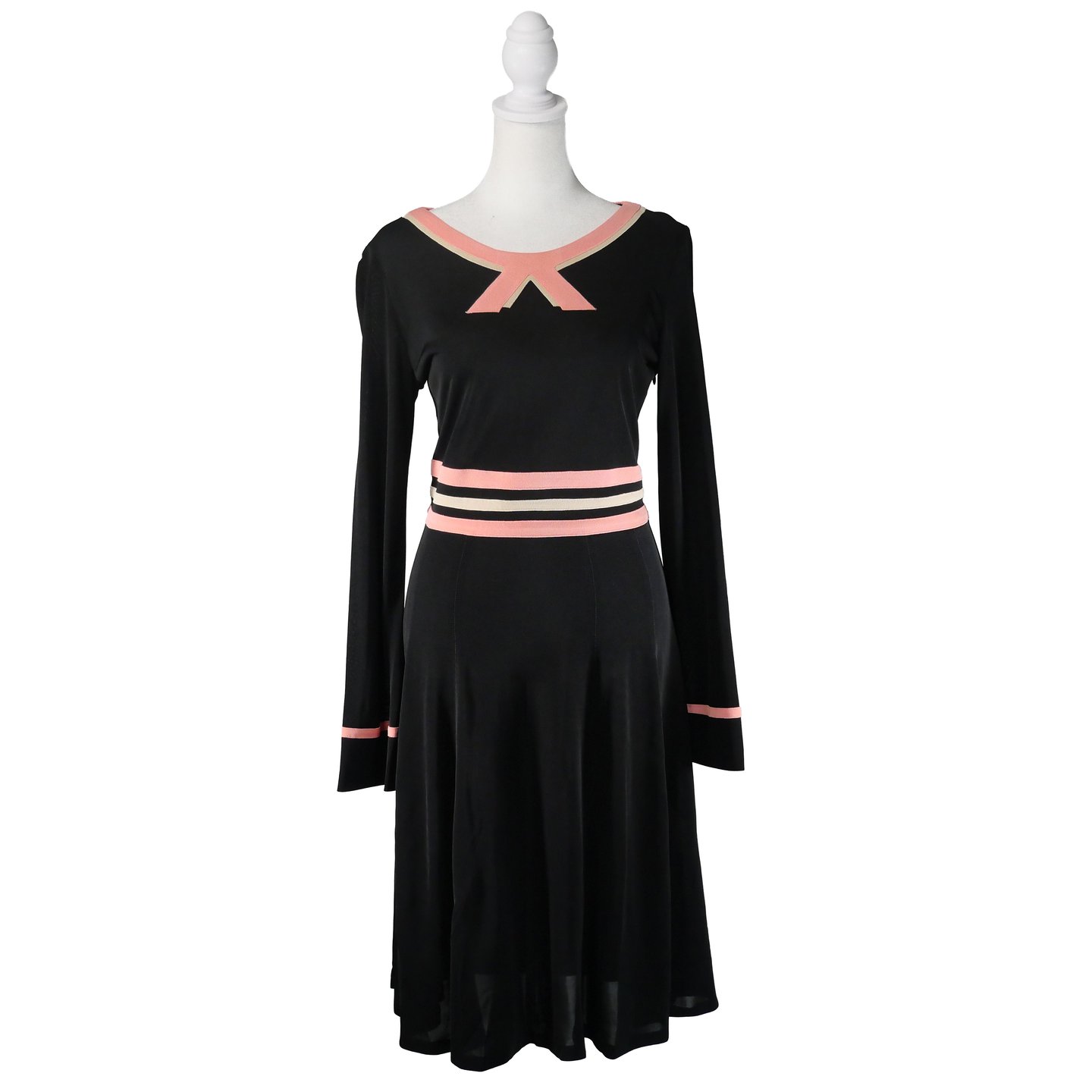
On September 9, eBay hosts Endless Runway: The Archive, a livestream shopping auction featuring more than 150 rare and archival fashion pieces from American designers including Calvin Klein Collection, Diane von Furstenberg, Michael Kors Collection, Proenza Schouler, Tommy Hilfiger, Vera Wang and Willy Chavarria. Designer Jenna Lyons hosts the event, which is billed as an immersive, storytelling-based exhibition where industry experts discuss the cultural significance of each piece as bidding happens live. Proceeds from the auction go to the Council of Fashion Designers of America.
The notable technical choice is where this is happening. eBay is running the event on eBay Live, its own dedicated livestream shopping product, rather than distributing the same content through TikTok Shop, Instagram Live Shopping or Amazon Live, all of which already have larger native livestream audiences and mature commerce tooling built in. That is a deliberate platform decision, not an oversight, and it tells you something about how eBay is thinking about where it wants to own infrastructure versus where it is content to be a supplier.
This is one piece of a much bigger resale infrastructure bet
Endless Runway did not happen in isolation. eBay has spent the better part of two years assembling a circular fashion stack: the 1.2 billion dollar acquisition of Depop, a partnership with Condé Nast as its official pre-loved fashion partner, a digital publication called The NYC Edit, a series of physical pop-up stores, and a Circular Fashion Fund that invests directly in sustainable fashion startups. Livestream auctions of archival pieces are the most visible, press-friendly layer of that stack, but the real investment is in the commerce and logistics infrastructure underneath it: authentication, resale-specific search and discovery, and now proprietary livestream checkout.
Viewed this way, eBay Live is less a marketing stunt and more the checkout layer for a resale business eBay has decided is worth owning end to end. That is a meaningfully different strategy than the more common retailer approach of using TikTok Shop or Instagram as a discovery channel that funnels traffic back to an owned commerce site. eBay appears to be trying to own discovery, hosting and checkout simultaneously inside a single resale-focused surface, which is a harder and more expensive path but one that keeps first-party data and take-rate economics entirely in-house.
The build-versus-rent question every retailer is facing
Livestream commerce has become one of the fastest-growing formats in retail, and nearly every major platform now offers some version of native shopping during a livestream. The strategic question for any retailer or brand is whether to build proprietary livestream infrastructure the way eBay is doing, or to rent distribution and audience from TikTok Shop, Instagram or YouTube, where the viewers already are but the platform economics, data access and algorithmic reach are entirely outside your control. Sephora made the opposite bet just weeks ago, piloting a dedicated TikTok Shop experience rather than investing in its own livestream product.
Neither choice is obviously correct, and the right answer depends heavily on category economics. eBay's resale and archival fashion niche has genuine differentiation, provenance, authentication, and a collector audience willing to engage with long-form storytelling content that a proprietary platform can showcase better than a fifteen-second TikTok clip. A mainstream CPG or apparel brand selling commodity products has a much weaker case for building its own livestream infrastructure, since the value of the format there is almost entirely about reaching audience where it already congregates rather than about differentiated content experience.
What proprietary livestream infrastructure actually costs to build well
Building a livestream commerce platform that rivals TikTok Shop's native experience is not a weekend engineering project. It requires low-latency video infrastructure, real-time inventory and bidding synchronization, payment processing that can handle auction-style dynamic pricing rather than fixed checkout, and a content production capability closer to broadcast television than typical ecommerce merchandising. eBay has the balance sheet and the existing auction-platform heritage to make this a more natural extension than it would be for most retailers, since real-time bidding mechanics are literally eBay's original product.
That heritage advantage matters for anyone benchmarking this move. A retailer without eBay's decades of auction infrastructure experience should not read Endless Runway as proof that building proprietary livestream commerce is broadly the right call. It is better read as evidence that the build case gets stronger specifically when a company already owns adjacent infrastructure, in eBay's case real-time bidding and marketplace trust mechanics, that a from-scratch livestream build would otherwise have to invent.
The metric that will settle whether this bet pays off
The number worth watching after Endless Runway is repeat engagement: how many of the shoppers who tune in and bid come back for eBay's next livestream event without a fresh marketing push to reactivate them. Press coverage and social buzz around a single glamorous auction are easy to generate and tell you almost nothing about durable platform value. Proprietary platforms only justify their build cost if they generate an owned audience that returns organically, the same logic that makes a loyalty program or a branded app worth its engineering investment. If Endless Runway drives one strong news cycle and then attendance drops off for the next event, that is a signal the audience was borrowed from press coverage rather than genuinely owned by the platform.
For technology leaders at other retailers, the practical takeaway is to treat eBay Live as a live experiment worth tracking through the holiday shopping season rather than a template to copy immediately. If eBay can show sustained, non-promotional attendance and conversion across multiple livestream events by December, that is meaningful evidence the build-your-own path can work outside of eBay's specific auction heritage. If engagement fades after the initial press cycle, it reinforces the case that most retailers are better off renting audience from TikTok Shop and Instagram than building proprietary livestream infrastructure from scratch.