A hardware rollout with an ad-revenue purpose
Walgreens announced it will deploy Looma advertising screens across 1,200 store locations by early 2027, a multi-year commitment rather than a single quarter's marketing test. This is not a customer-experience upgrade dressed up as innovation for a press release. It is a direct extension of the Walgreens Advertising Group, the retail media network the company launched in 2020 specifically to sell CPG brands access to its shopper data and, increasingly, its physical store real estate as a paid advertising surface in its own right.
The scale here matters on its own terms: 1,200 stores represents a meaningful fraction of Walgreens' national footprint, and committing to that rollout by early 2027 signals the company has already validated the format well enough to move past a limited test phase into a full commercial deployment. Retail media has become one of the highest-margin revenue lines available to physical retailers over the past several years, and Walgreens is now treating shelf-edge screens as core infrastructure for that business rather than an optional side project.
Two screen types, one measurement promise
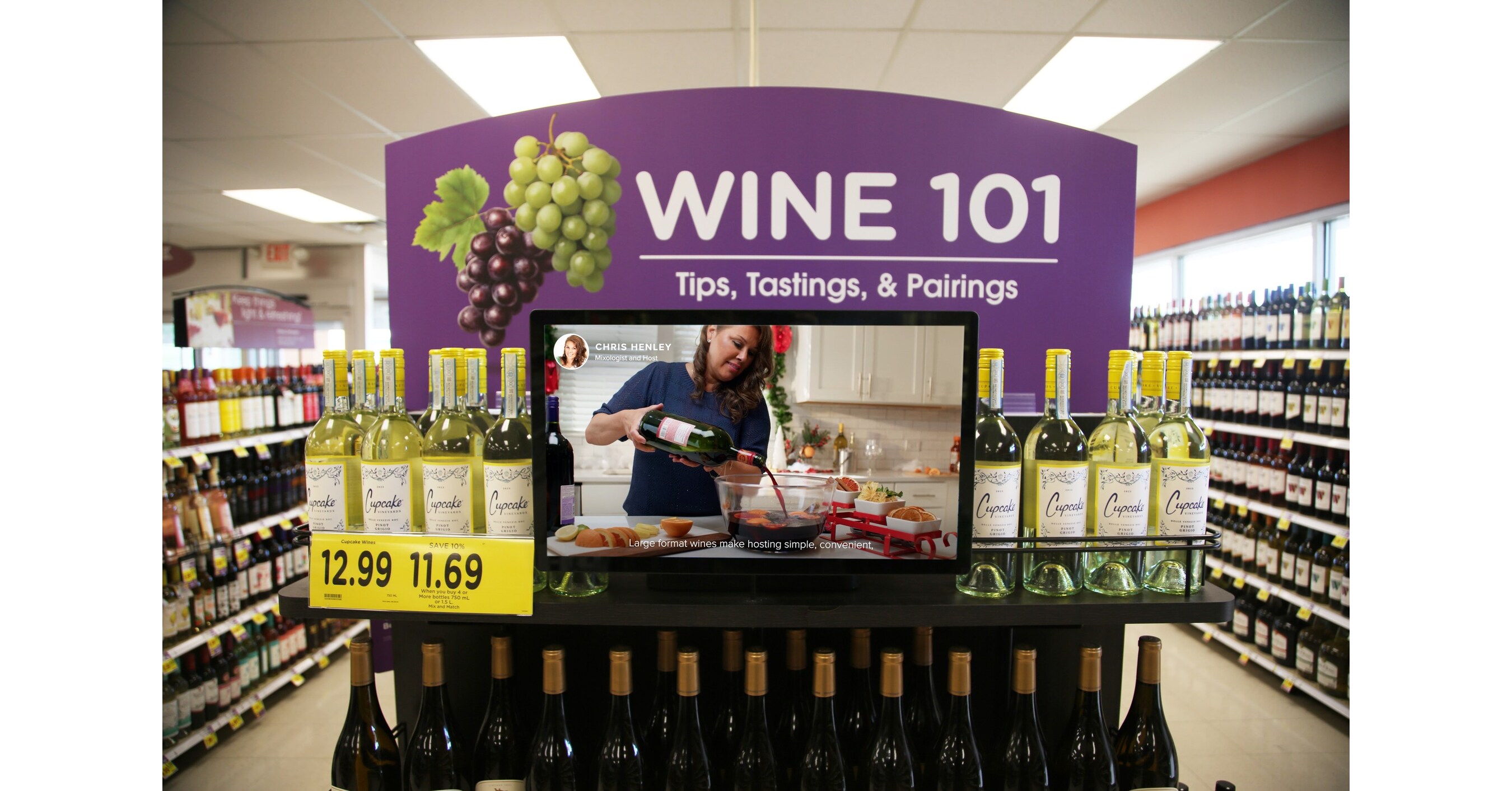
Looma's platform splits into co-located screens, positioned directly next to the products they promote on the shelf, and atmospheric screens placed in high-traffic areas throughout the store for broader visibility. The co-located format is built for the exact moment a shopper is standing in front of a purchase decision, using content produced by a global network of independent filmmakers, editors, and creators who specialize in what Looma calls point-of-decision content, distinct from the traditional broadcast advertising creative most CPG marketing teams already have on hand.
The platform also enables remote content management and digitizes end-cap space planning, replacing a historically manual, print-based merchandising process with something a retail media team can update and measure centrally from a single dashboard. The full-funnel performance measurement claim is the piece CPG brands will scrutinize hardest before committing larger budgets, since attributing an in-store screen impression all the way through to an actual purchase has been the unsolved problem in physical retail media for years across nearly every retailer that has tried it.
Why the measurement problem is the real fight
Walgreens VP of digital and retail media John Storms described the investment as building stronger customer experiences, smarter audiences, and advanced measurement. That last phrase is doing the heaviest lifting in the entire announcement. Digital retail media, the kind sold on Amazon or Walmart's own e-commerce properties, has clean click-through and conversion attribution built into the platform from day one. In-store screens have never had that same rigor, which has historically made CPG brands treat in-store ad spend as a smaller, less accountable line item than their digital budgets.
A December 2025 partnership with LiveRamp, the data collaboration platform, points to how Walgreens intends to close that measurement gap over time. That deal covers measurement across programmatic, connected TV, social, and search channels, and extending the same measurement discipline to in-store screens would let Walgreens report a single, comparable ROI number across every channel a CPG brand buys from the retailer. That unification, more than the screens themselves, is the actual product Walgreens is selling to its advertising partners here.
Looma is becoming the shared standard, not a proprietary bet
Walgreens is not Looma's only major retail account by any measure. Kroger and BJ's have already deployed the same platform in their own stores, and an earlier funding round saw Looma raise 13 million dollars specifically to expand into 600 Kroger locations amid what the company described as surging demand from retailers. That pattern, three large retail chains independently standing up the same third-party screen infrastructure within a short window, suggests the in-store retail media hardware question has settled the same way forecasting software did for Dollar General: the market is converging on a small set of shared vendors rather than each retailer building proprietary screen networks from scratch.
For a retail CTO evaluating whether to build or buy a similar in-store media capability, that convergence is a useful signal worth weighing carefully. Building proprietary hardware and a content operation for shelf-edge screens is a multi-year, capital-intensive undertaking with real execution risk attached. Licensing a platform that already has content production, remote management, and multi-retailer measurement infrastructure in place is a materially faster path to generating ad revenue, provided the retailer is comfortable ceding some control over the underlying technology stack to a third party.
The CPG side of the trade
For consumer packaged goods brands, this expansion adds yet another retailer to the growing list demanding in-store media budgets on top of the digital retail media spend most CPG marketing teams have already allocated to Amazon, Walmart Connect, and similar platforms over recent budget cycles. Brands now need to decide how to split increasingly stretched shopper marketing budgets across an expanding set of retailer-specific screen networks, each with its own reporting dashboard and measurement methodology, even when several of them technically run on the same underlying Looma infrastructure behind the scenes.
That fragmentation risk persists even with a shared vendor supplying the hardware, because Walgreens, Kroger, and BJ's will each report their own attribution numbers using their own first-party shopper data layered on top of Looma's screens. CPG technology and marketing leaders should expect to spend real internal effort next year building the cross-retailer measurement normalization work that none of these retailers has much commercial incentive to build on a brand's behalf, since each wants its own network to look strongest in isolation.
What retailers without a retail media network should take from this
Walgreens, Kroger, and BJ's all had established retail media programs generating real advertising revenue before adding physical screens on top of them. That sequencing matters a great deal for any retailer still earlier in the retail media journey: the screens function as an extension of an existing shopper-data and measurement capability, not as a starting point for a retailer with no retail media program at all. A retailer without a functioning network already generating brand ad revenue is not ready for shelf-edge screens regardless of how compelling the initial Looma sales pitch sounds in a meeting.
The decision worth making now, for retailers still building out retail media fundamentals from the ground up, is which measurement and first-party data partnerships to establish first, since those are the pieces that make the eventual hardware layer valuable rather than purely decorative. Walgreens spent from 2020 to 2026 building the shopper-data foundation before making this particular hardware commitment. That six-year timeline, not the headline rollout announcement, is the realistic planning horizon competitors should measure their own program against.