The numbers that came out of Groceryshop
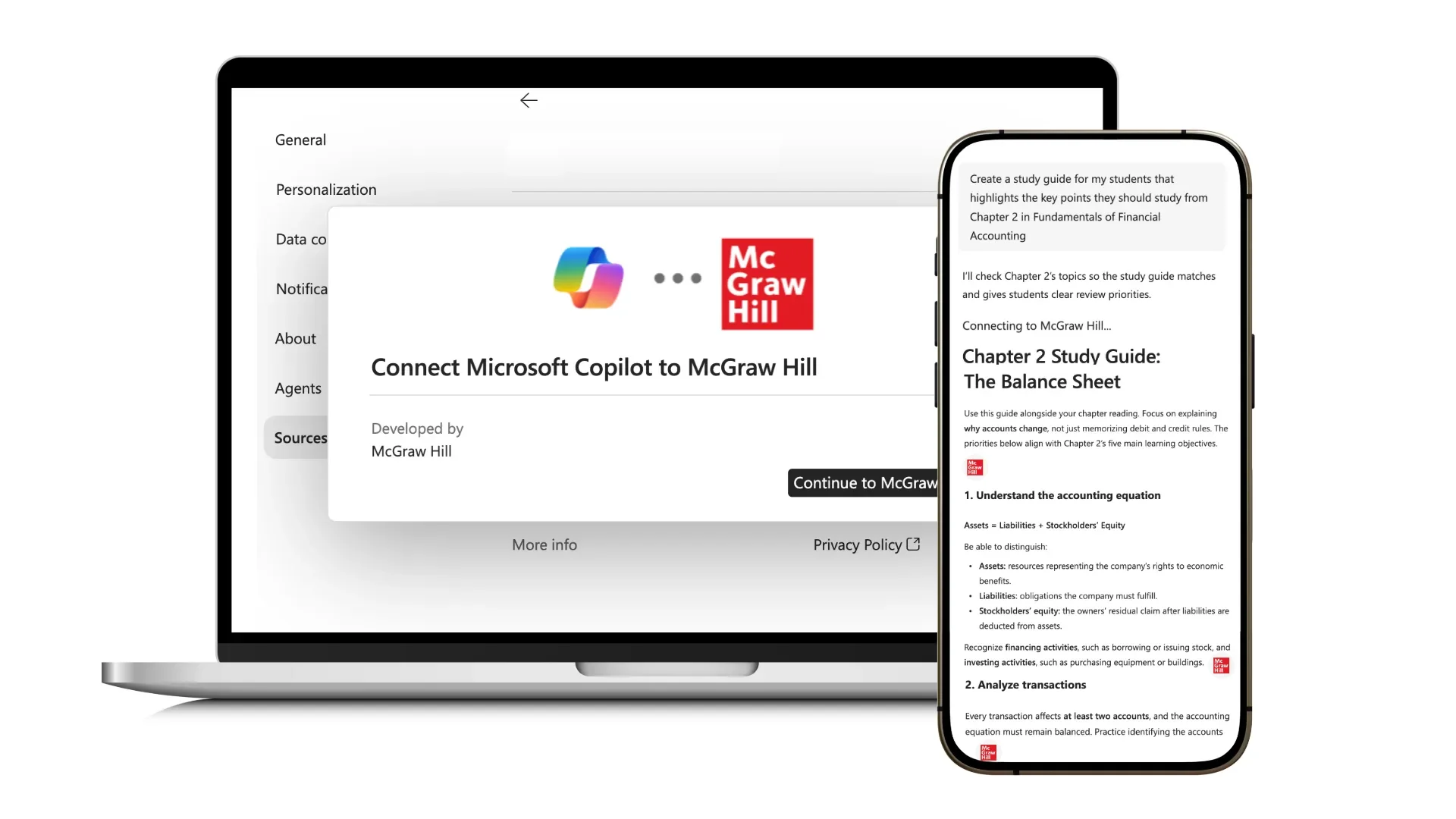
Groceryshop 2026 ran in late September in Las Vegas, and the most useful thing to come out of it for a retail CTO was not a keynote thesis but a cluster of hard operating numbers on AI shopping assistants that are now live at scale. DoorDash's co-founder Andy Fang disclosed that shoppers using Ask DoorDash, the company's AI shopping assistant, build baskets 50 percent bigger than non-AI orders, check out five times faster, and buy 60 percent more unique items per order than a typical basket. At launch in June 2026 the basket lift was 35 percent, so the gap has widened as the product has matured, not narrowed.
Albert Heijn, the Dutch grocery chain, reported a comparable pattern from a completely different angle: its in-app AI chef, Steijn, has 1.1 million active users, and those users spend 56 percent more than shoppers who don't use the feature. Two different retailers, two different product shapes, a shopping assistant and a cooking assistant, landing on strikingly similar basket-lift numbers. That convergence is the strongest signal in this data set: it points to a structural mechanism common to both, AI surfacing relevant items a shopper would not have found browsing manually, and a mechanism that strong tends to survive the next vendor's weaker execution too.
Kroger's reframe: grocer as managed service
Kroger used the event to lay out a vision it is calling 'grocery as a managed service,' presented by chief digital officer Yael Cosset alongside the retailer's broader AI strategy. The framing matters more than it might first appear: it positions the retailer less as a store a shopper visits and more as an ongoing service that manages a household's food needs on their behalf, with AI handling list-building, meal planning, and replenishment as background infrastructure rather than a feature bolted onto a website.
That is a meaningfully different strategic posture than most grocery digital transformations have taken over the last decade, which largely optimized the existing transaction (search, cart, checkout) rather than reframing the relationship itself. If a managed-service model is where the category is heading, the competitive question for every grocery and CPG executive shifts from 'is our site fast and our app rated well' to 'does our product data and fulfillment infrastructure support an AI agent making decisions on a shopper's behalf without that shopper reviewing every substitution.' That is a much higher bar, and most retail tech stacks were not built for it.
The gap between early movers and everyone else
The research cited alongside these announcements puts the scale of the opportunity and the scale of the gap in the same frame. Incisiv found that only 7 percent of enterprises have scaled AI throughout the business, meaning the basket-lift numbers above are coming from a small set of well-resourced early movers, not evidence that agentic shopping has broadly arrived. Accenture research presented at the same event found that 75 percent of global consumers would trust an AI agent's recommendation more than their best friend's, and that 56 percent of loyal shoppers would switch brands if an agent recommended a better alternative.
That second Accenture figure is the one CPG brand leaders should sit with the longest. Brand loyalty, long treated as a durable moat built through advertising and shelf placement, is now explicitly reported as switchable at the moment an AI agent makes a better-ranked suggestion. That changes where marketing and trade-spend dollars need to go: less toward end-cap placement and loyalty-program point accrual, more toward making sure a brand's product data is good enough and structured well enough that the agent actually surfaces it as the better option in the first place.
The retail media money is already moving here
Two announcements at Groceryshop show where the commercial side of this is heading. DoorDash used the event to launch a Brand Center platform aimed squarely at CPG teams, giving brands direct tools to manage how their products appear inside the AI assistant's recommendations rather than leaving that entirely to algorithmic ranking. Separately, Gopuff announced it is joining the Instacart Marketplace and adopting Instacart's Carrot Ads, folding its delivery catalog into Instacart's retail media inventory rather than building a competing ad product of its own.
Both moves say the same thing from different directions: the platforms that control the AI assistant surface are also becoming the place CPG trade-spend dollars get bid for, and consolidation is happening faster on the media side than on the retailer side. A CPG brand's media team now has to coordinate with its product-data team in a way most org charts don't support, because a Brand Center placement bought by marketing is worthless if the underlying product listing marketing is promoting has none of the structured attributes the assistant needs to actually surface it. Budget conversations that used to sit entirely inside a trade marketing function now need a seat for whoever owns product information management.
Why product data is the actual bottleneck
DoorDash was explicit on this point in a way worth quoting directly: the company called clean product data a 'no regrets move,' noting that nearly 95 percent of customers choose items with good descriptions over items without them. That makes product data the precondition for showing up in an AI assistant's basket at all, a prerequisite well ahead of pricing or promotion. An item with a thin or inconsistent description, missing nutritional and dietary tags, or no structured attributes is effectively invisible to a system that is parsing intent like 'healthy kids' meal under $40' and assembling a cart in seconds. Groceryshop's VP of content, Rocquan Lucas, put the obligation on brands and retailers plainly: product data has to become machine readable, not just human readable.
For most CPG and retail organizations this is an unglamorous, cross-functional infrastructure project, not a flashy AI initiative, and that is exactly why it keeps losing budget priority to more visible AI pilots. The practical move is to treat product information management as the foundation layer underneath every agentic commerce bet a retailer or brand is making this year, because every one of the gains described above, bigger baskets, faster checkout, higher switch rates toward better-ranked products, routes through data quality before it routes through any model or interface. Brands that fix this now get surfaced by the next generation of shopping agents by default. Brands that don't will be competing for visibility against competitors who already did.