The number that should reset your planning timeline
CBRE's North American Data Center Trends report for the first half of 2026 found vacancy, defined as the share of power capacity actually available for a tenant to lease right now, fell to a record low of 1.4 percent across the markets it tracks. Net absorption, the measure of how much new capacity actually got leased during the period, rose almost 12 percent over the same six month window, and rental rates climbed in step as limited power availability pushed pricing steadily upward across nearly every major market in CBRE's coverage area.
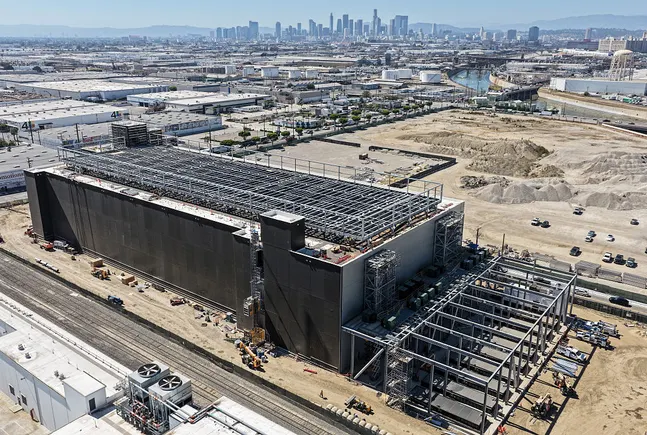
What makes this particular figure genuinely striking is that it fell during a period of record construction activity across the industry, not despite some construction slowdown that might otherwise explain tightening availability. New data center construction rose almost 25 percent across major US markets in that same half year window, and total power capacity under active development grew by roughly one third year over year on top of an already large base. Supply grew sharply by any historical standard, and vacancy still dropped to a fresh record low regardless.
Why tripling supply did not fix the shortage
CBRE's Pat Lynch put the core dynamic driving this plainly in the report: "It is unlike any other industry in my lifetime, where you can triple supply, yet still have vacancy rates going down." The explanation underneath that observation is that floor space has essentially stopped being the binding constraint on data center capacity in most major markets. Power availability is now the true limiting factor on how fast capacity can actually come online, and grid capacity simply cannot be expanded on anything close to the same timeline as a building shell or even a large chip order placed well in advance.
That distinction matters enormously for anyone still used to thinking about capacity planning primarily in terms of server racks or available square footage on a site plan. A site can have fully built, finished shells sitting completely empty for years while the developer waits on a utility interconnection agreement or a substation upgrade to finally clear. The real queue that matters now is the queue for power, and that queue does not move meaningfully faster simply because a prospective tenant is willing to pay a premium for the empty building sitting around it.
Pricing power has flipped to landlords
CBRE's Gordon Dolven described the resulting pricing dynamic in the report directly and without much hedging: "Rental pricing and vacancy rates have been perfectly inversely correlated in our report for the last few years." As vacancy keeps falling toward zero in market after market, the negotiating leverage in colocation and wholesale data center deals is shifting decisively toward landlords like Equinix and Digital Realty, both specifically cited in the report as leasing space out faster than new power infrastructure can realistically be energized to support the tenants moving in.
For enterprise buyers sitting on the other side of that table, this shift means renewal and expansion conversations that reliably favored the tenant just a couple of years ago now favor the landlord in most major markets across the country. Multi year rate locks that looked unnecessarily conservative when they were signed two years ago may well look like the smarter deal in hindsight today, and buyers negotiating fresh capacity right now should expect materially less flexibility on both price and contract term than they would have encountered even a single year ago in the same market.
The geography is shifting under your feet
Northern Virginia still remains the largest data center market in North America by total existing inventory, but it no longer leads the pack on new construction activity. Atlanta's development volume rose more than 50 percent year over year according to CBRE's figures, and it overtook Northern Virginia in total construction activity for the first time in the firm's data. Dallas Fort Worth, Columbus in Ohio, Reno in Nevada, and Silicon Valley round out the handful of markets CBRE flagged as seeing the most active new development across the country right now.
This geographic shift is driven directly by the same power constraint described throughout this report. Markets that still have meaningful available grid capacity and utilities genuinely willing to build out new interconnections quickly are absorbing demand that traditional, already saturated hubs simply cannot accommodate fast enough anymore. A sourcing strategy anchored exclusively to Northern Virginia or similarly constrained markets will increasingly run straight into availability walls that a more geographically flexible, multi market strategy would sidestep entirely.
The telecom bubble lesson CBRE is drawing
Lynch explicitly drew a comparison in the report to the early 2000s telecom buildout, a period where fiber and network capacity massively outpaced actual demand and eventually triggered a painful, multi year market correction across the whole sector. His read on the current data center cycle is notably more optimistic than that history might suggest at first glance. Because power availability, rather than simple access to construction capital, is now the gating factor on how fast new data center capacity can actually come online, the industry may be structurally protected from the kind of runaway overbuild that defined the telecom bust two decades ago.
That framing offers a genuinely useful lens for evaluating the broader wave of warnings about an AI infrastructure bubble circulating right now. A bubble driven primarily by easy access to capital can deflate quite quickly once capital simply becomes more expensive to raise. A bubble that is instead gated by physical grid interconnection timelines, which run on the order of multiple years almost regardless of how much money is theoretically available to spend, deflates far more slowly by comparison, if it ends up deflating at all in any near term sense.
What a three year lead time actually requires
Dolven's practical advice to buyers navigating this market was to secure data center leases roughly three years ahead of actual operational need, a planning horizon that is dramatically longer than most enterprise IT procurement cycles are currently built around or even budgeted for internally. That three year timeline assumption needs to start working its way into capacity planning conversations now, well before the next expansion or lease renewal deadline is already bearing down on the team responsible for it.
In practical terms, this means treating major data center and large scale reserved cloud capacity decisions with the same multi year lead time discipline typically reserved for commercial real estate or major facilities decisions, rather than applying the much shorter decision cycles that are common across most software procurement and even most traditional hardware purchasing within the same organization. It also means looping facilities and real estate planning teams into cloud and infrastructure procurement conversations far earlier than most IT organizations currently do, since the three year lead time Dolven describes is closer to a building project timeline than a typical vendor contract negotiation, and treating it otherwise risks discovering the mismatch only once a renewal deadline is already close.
The roadmap implication
Record low vacancy sitting alongside record construction activity is about as clear a signal as this market offers that physical infrastructure constraints, not cloud provider willingness or enthusiasm, will shape where and how fast enterprises can actually expand their compute footprint over the next several years. Capacity decisions still being made with only a one year planning horizon in mind are increasingly out of step with how this particular market is actually clearing in practice.
Build a genuine three year forward view directly into any data center or large reserved cloud capacity planning process your organization runs, evaluate secondary markets like Atlanta, Columbus, and Reno seriously alongside traditional hubs rather than defaulting automatically to Northern Virginia out of habit, and move to renegotiate long term rate locks sooner rather than later, because every single signal in this report points firmly toward tighter terms ahead, not looser ones, over the next several years of this cycle.