A Defender for a Company Under Constant Fire
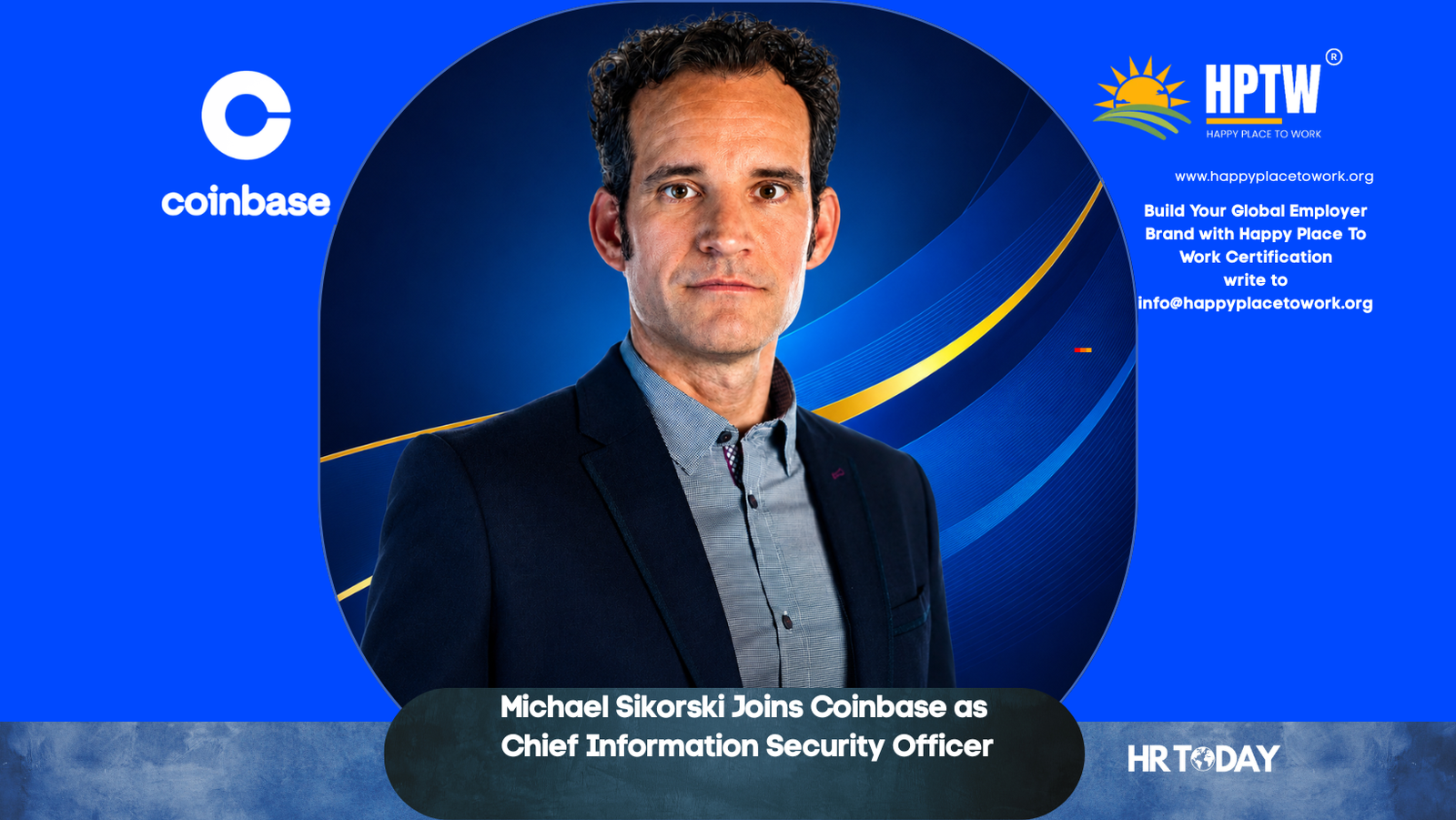
Coinbase has named Michael Sikorski its new chief information security officer, and the choice tells us a great deal about how the company sees its threat landscape. Sikorski arrives from Palo Alto Networks Unit 42, where he served as chief technology officer and vice president of engineering, leading engineering, product, and threat intelligence organizations. He will now own Coinbase's global cybersecurity strategy, including information security, cyber resilience, threat intelligence, and security operations. For a business that holds custody of enormous digital value, the CISO seat is not an administrative role. It is a frontline command.
Few companies are attacked as persistently as a major cryptocurrency exchange. The assets are liquid, the transactions are irreversible, and the adversaries range from opportunistic phishers to well-resourced nation-state groups. In that environment the identity of the person running defense is a genuine market signal, watched by customers, regulators, and attackers alike. Coinbase did not reach for a generalist administrator. It reached for someone whose career has been spent inside the machinery of how sophisticated intrusions actually unfold.
Threat Intelligence at the Core
Sikorski's background reads like a curriculum in modern adversary tradecraft. Before Unit 42 he held senior roles at Mandiant and FireEye, where he led the FLARE team and contributed to the investigation that uncovered the SolarWinds supply chain compromise, one of the defining intrusions of the decade. Earlier still he worked at MIT Lincoln Laboratory and the National Security Agency, and he teaches computer science as an adjunct at Columbia. This is a defender who has spent two decades taking malware apart to understand how attackers think.
That pedigree points to a specific philosophy of defense. A threat-intelligence-first CISO builds security around knowledge of the adversary rather than a static checklist of controls, prioritizing the detection of active campaigns and the disruption of attacker infrastructure. For an exchange facing bespoke, targeted operations rather than commodity attacks, that orientation is exactly right. The most dangerous threats to Coinbase are not the ones in a compliance framework; they are the novel techniques being developed specifically to beat it, and countering those requires the mindset of someone who has hunted them before.
Why Vendors Keep Losing Their Best to Buyers
Sikorski's move is part of a well-worn pattern in which elite defenders migrate from security vendors to the high-value enterprises they once protected as customers. The pull is understandable. At a vendor, even a talented leader defends abstractly, across many clients and through product. At a target as consequential as Coinbase, the work is direct, the stakes are personal, and the mandate is unambiguous. The best operators are increasingly drawn to the concentrated intensity of defending a single crown-jewel environment rather than the diffuse work of shipping tools for everyone else's.
For the vendors, this churn is a structural cost of building deep expertise, and it should worry their customers too. When the people who understand the threat landscape most intimately keep moving in-house at the largest targets, the knowledge concentrates rather than diffuses. Enterprises without the budget or brand to attract a Sikorski are left defending against the same adversaries with thinner benches. The talent market in security is not just tight; it is stratifying, and the gap between the best-defended companies and everyone else is widening.
The Crypto Sector's Security Reckoning
The appointment lands as the broader crypto and fintech sector confronts a security reckoning that has been years in the making. High-profile breaches, social-engineering campaigns against support staff, and relentless pressure on customer accounts have made it clear that trust, not technology, is the industry's scarcest asset. An exchange that cannot convincingly secure customer funds has no franchise, regardless of how elegant its product is. Hiring a defender of Sikorski's caliber is as much a statement to the market as it is an operational decision.
We read the move as Coinbase investing in credibility at the executive level, where it is most visible and hardest to fake. Regulators increasingly expect named, qualified security leadership, and institutional customers conduct real diligence on who is accountable for protecting their assets. Putting a widely respected threat-intelligence figure in the CISO chair answers both audiences at once. It signals that security is owned at the top by someone the adversary already respects, which is a different and stronger message than a policy document could ever send.
What Other Executives Should Take From It
For boards and chief executives outside crypto, the lesson generalizes. The profile of the ideal CISO has shifted from compliance manager to operational threat expert, particularly at companies where the assets are digital, liquid, and targeted. If your organization faces sophisticated, motivated adversaries, the person you want in that seat is someone who has lived inside incident response and understands the offense, not merely someone who can pass an audit. Coinbase's choice is a template for how seriously the role should now be taken.
It also underscores that security leadership is a recruiting battle most companies are underprepared to fight. The candidates who can genuinely counter advanced adversaries are few, expensive, and courted aggressively, and they increasingly choose their employers based on the significance of the mission rather than the size of the package alone. Organizations that treat the CISO hire as a routine backfill will lose those people to the companies that treat it as a strategic imperative. Coinbase clearly landed in the second camp, and its competitors should take note of what that costs and why it is worth it.
A Signal Worth Watching
Personnel moves rarely make headlines the way funding rounds and product launches do, but the CISO of a major exchange is an exception. Where a company places its security leadership reveals its honest assessment of its own risk, and Coinbase has just told the market that it considers the threat serious enough to warrant one of the industry's most accomplished defenders. That candor is healthy, and it sets an expectation others in the sector will now be measured against.
The real test, of course, begins after the announcement fades. Titles do not stop intrusions, and even the best CISO inherits legacy systems, human error, and adversaries who adapt faster than any single leader can. What Sikorski brings is not immunity but judgment, the kind earned by taking apart the worst attacks of the past decade. For a company whose entire value proposition rests on keeping assets safe, that judgment may prove to be the most important hire it makes this year.