What Coca-Cola Actually Disclosed
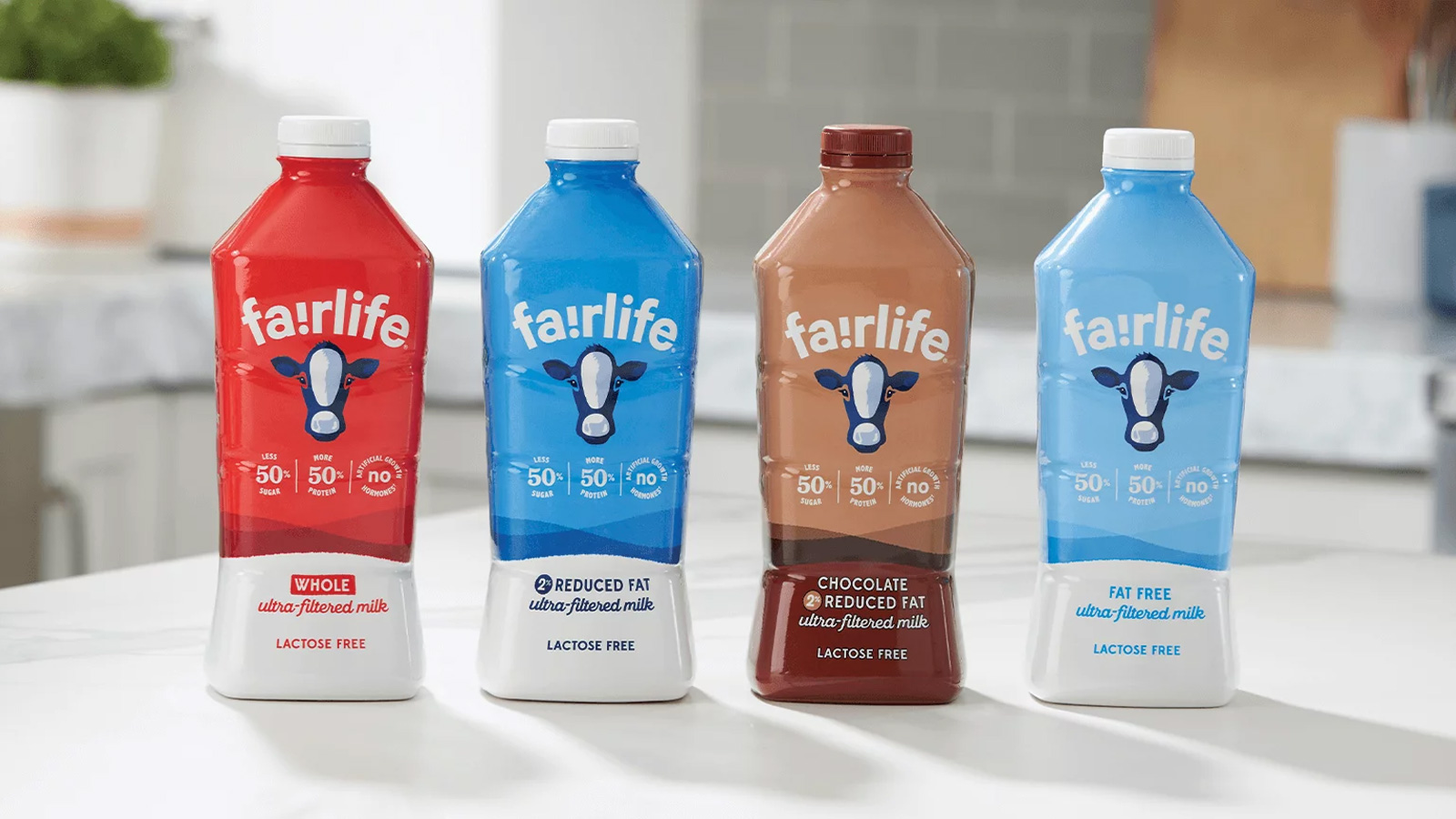
Coca-Cola disclosed on July 16 that its Fairlife subsidiary had detected unauthorized access to some of its systems, including production-related infrastructure. In an SEC Form 8-K, the company confirmed it had promptly activated its incident response and business continuity protocols, engaged outside advisors and cybersecurity experts, and notified law enforcement. The language is boilerplate, the implication is not. Fairlife makes ultra-filtered milk, Core Power protein shakes, and the Nutrition Plan line, all of which move through tightly scheduled production and cold-chain logistics. When a filing concedes that production systems were reached, it signals that this incident crossed from the corporate network into the operational estate, the place where downtime converts directly into lost output and spoiled inventory.
For enterprise leaders, the first signal is the disclosure timeline. Coca-Cola went to the SEC within days, framing the event as potentially material while stating that the investigation and assessment of the impact remained ongoing. That is the post-2023 cyber disclosure regime working as intended, with serious events surfacing in filings rather than in leak-site screenshots weeks later. Fairlife's Canadian operations continued normally, which tells us some segmentation held between geographies. The US shutdown shows how fast a manufacturing footprint concentrates risk when a single environment carries the bulk of volume for a fast-moving consumer brand that cannot simply pause and restart perishable production.
The Production Halt Is the Real Cost
Ransomware coverage fixates on encryption and ransom amounts, but the damage here is measured in stopped lines. Fairlife suspended US production while it investigated, and for a perishable-goods manufacturer every idle hour compounds: raw milk intake schedules, fermentation and filtration windows, packaging runs, and retail replenishment commitments all slip at once. Unlike a SaaS outage, you cannot spin capacity back up instantly once systems are restored, because the physical process has its own clock. This is why manufacturing has become such a lucrative extortion target. The attacker does not need to exfiltrate anything of value to inflict pain, the interruption itself is the leverage.
We would push executives to model this exposure in operational terms. The question that matters is how many production hours are lost per day of downtime, and what that does to service levels, contractual penalties, and shelf availability. Counting encrypted servers measures the wrong thing. Coca-Cola has the balance sheet to absorb a Fairlife interruption, but a mid-market food producer running a handful of plants on shared infrastructure does not. The lesson for any CIO overseeing physical operations is that resilience planning has to treat the OT-adjacent environment as a revenue system, with recovery-time objectives set by the plant floor rather than by the data center.
Anubis and the Extortion Clock
On July 20 the Anubis ransomware group listed Coca-Cola and Fairlife on its dark-web leak site, and over the following days it claimed responsibility publicly. Anubis says it encrypted Fairlife's Nutanix systems and exfiltrated roughly 1TB of confidential data, and it set an extortion deadline for the morning of Monday July 27. Coca-Cola has declined to confirm whether data was stolen, whether a ransom was demanded, or which operation was responsible, which is a defensible posture while an investigation runs. The gap between the victim's careful silence and the attacker's loud claims is itself instructive for how these negotiations play out in public.
Anubis is worth understanding because it blends encryption with a formal affiliate and data-extortion model, and its operators have shown willingness to threaten destructive wipes rather than simple decryption denial. That changes the calculus for defenders. A double-extortion crew betting on both operational disruption and data exposure gives itself two levers to pull if the first fails. For boards, the takeaway is that paying does not cleanly resolve the exposure, because exfiltrated data can resurface regardless of any settlement. Incident response plans should assume the stolen material is already gone and focus on notification, regulatory exposure, and the customers whose records may sit in that 1TB.
The Third-Party Entry Point
According to Coca-Cola's filing, attackers reached Fairlife's environment through a third party. That single detail matters more than the ransom theatrics, because it puts this incident squarely in the category that now dominates enterprise breaches: trusted external access abused to pivot inward. Vendor connections, managed-service credentials, and integration accounts routinely carry standing access into production-adjacent systems, and they are frequently exempted from the controls applied to employees. When a supplier is compromised, that trust becomes the highway. We have watched this pattern repeat across sectors, and the food industry's dense web of co-manufacturers, logistics partners, and equipment vendors makes it especially exposed.
The defensive response is unglamorous and effective: inventory every third-party integration that touches operational systems, scope its permissions to the minimum, and put continuous monitoring on those accounts rather than trusting them by default. Just-in-time access, short-lived credentials, and network segmentation between vendor entry points and the plant floor would have made this pivot far harder. CISOs should treat the vendor tier as part of the attack surface they own, a responsibility that cannot be waved off in a contract. The Fairlife case will be cited for months as the reason to fund third-party access reviews that keep getting deferred.
Why Food and CPG Are Now Prime Targets
The Fairlife attack fits a widening trend of ransomware crews hunting consumer-goods manufacturers. These businesses combine three qualities attackers love: continuous production that makes downtime expensive, thin cybersecurity maturity relative to banks or hyperscalers, and brand sensitivity that raises the reputational stakes of any leak. A dairy or packaged-food producer often runs decades-old plant systems alongside modern ERP, with the two loosely coupled and unevenly monitored. That architecture is a gift to an intruder who only needs to disrupt the seam between them. The result is a sector that pays quickly because it cannot afford to stay dark.
For enterprise technology leaders in retail and CPG, this should reframe security spending as an operational continuity investment rather than a compliance line item. The firms that weather these events treat manufacturing cyber resilience the way they treat food safety: as a first-order discipline with drills, clear ownership, and tested recovery paths. That means offline backups validated for the OT environment, playbooks that account for physical restart sequences, and tabletop exercises that include plant managers alongside the security team. The organizations still treating the factory as out of scope for IT security are the ones writing the next 8-K.
What Leaders Should Take From This
The through-line of the Fairlife incident is that the modern ransomware problem is an operations problem wearing an IT costume. Encryption and data theft are the mechanisms, but production interruption is the weapon, and third-party access is the door. Any executive overseeing physical operations should read the 8-K as a prompt to answer three concrete questions: how long can we run if our production systems go dark, which external parties can reach those systems today, and can we prove our backups restore the plant rather than just the servers. If the honest answers are uncomfortable, the budget conversation should follow immediately.
We expect the July 27 deadline to pass with more noise than resolution, because these situations rarely end cleanly for either side. What endures is the template. A trusted vendor connection, a pivot into production, a public extortion clock, and a company forced to weigh silence against disclosure. Coca-Cola will absorb this, and the smaller manufacturers watching share the same setup even without the balance sheet to match. The correct response is a disciplined review of vendor access and operational recovery, done now while the story is fresh enough to unlock the funding that makes it real.