A Dairy Brand Becomes a Securities Filing
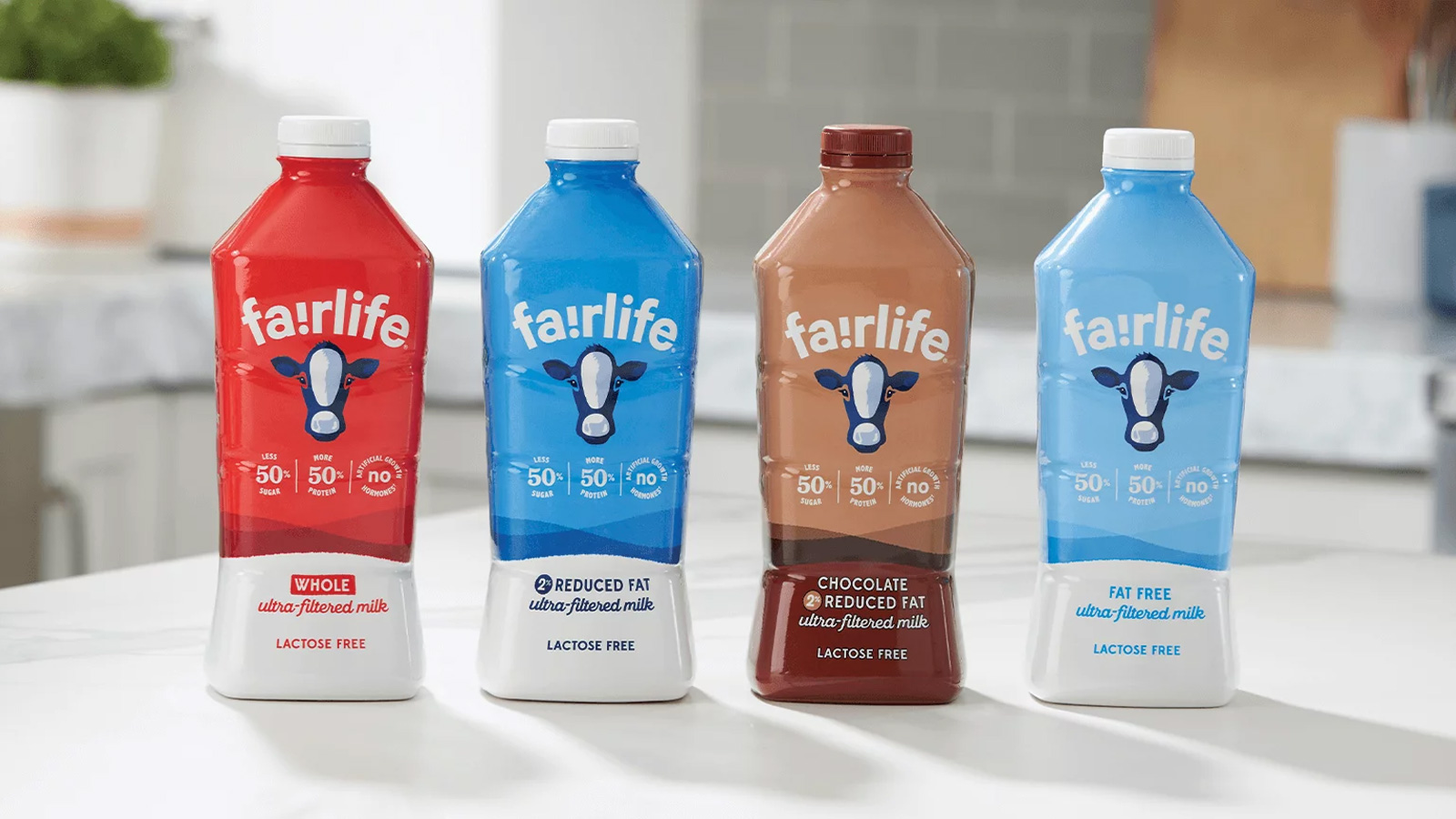
On July 16, Coca-Cola told investors through an SEC filing that its Fairlife dairy subsidiary had been hit by ransomware, and that the intrusion reached production-related systems badly enough to force a temporary suspension of US output. The company said it detected unauthorized access, then promptly activated its incident response and business continuity protocols. That language is boilerplate, but the disclosure itself is the signal. A beverage giant does not file a material event notice over an inconvenience. It files because a revenue-generating operation stopped, and because it now has to tell the market before the market finds out on its own.
We read the timing as the important detail. Coca-Cola disclosed on the same day it detected the issue, which suggests the impact was immediate and visible rather than a quiet data theft discovered weeks later. Fairlife is one of the group's faster-growing US brands, built on ultra-filtered milk and protein shakes, so a production halt lands directly on shelf availability. The filing left the harder questions open, but it confirmed the one thing that matters operationally: the attackers did not just touch email and file shares, they touched the systems that make product.
When Ransomware Reaches Production Systems
The phrase the filing uses, production-related systems, is where this story separates from the usual breach notice. Most ransomware disclosures describe stolen customer records and a leak site. Here the damage is physical throughput. Modern food and beverage plants run on layered technology: manufacturing execution systems, historians, programmable logic controllers, and the human-machine interfaces operators use to run lines. When ransomware encrypts or forces the shutdown of the IT systems those layers depend on, the plant cannot safely run, so it stops. Product safety was reportedly not affected, which is the correct priority, but safety and availability are different problems, and availability clearly took the hit.
This is the risk profile CISOs at manufacturers keep underpricing. The board hears breach and thinks about notification letters and regulators. The operator hears breach and thinks about whether the next shift can run. Coca-Cola has the balance sheet to absorb idle plants and re-sequence production, so the financial dent may be modest against group revenue. A mid-market food producer running a single site with thin inventory buffers does not have that cushion. For them, a Fairlife-style event becomes a solvency question measured in days of lost output and spoiled inventory, an order of magnitude past the reputational hit a board first imagines.
The Segmentation Line Between US and Canada
One detail deserves more attention than it will get: Fairlife's Canadian production operations were not impacted, while US operations were suspended. That asymmetry is a network architecture story. Either the two footprints run on separately administered domains and management planes, or the attacker simply had not reached the Canadian environment before detection cut the campaign short. If it is the former, the boundary did its job and contained blast radius to one region. If it is the latter, Canada got lucky rather than protected, and the same weakness exists on both sides of the border.
We would push any security leader reading this to treat that ambiguity as the assignment. Can you say, with evidence, whether a compromise in one plant or one region would be contained by design or stopped only by timing? Segmentation between corporate IT and plant OT, and between geographic operating units, is the control that decides whether an incident is regional or total. Most manufacturers discover the true state of their segmentation during the incident, which is the worst possible time to learn that the flat parts of the network outnumber the segmented ones.
What Coca-Cola Is Deliberately Not Saying
The filing is careful about what it omits. Coca-Cola did not name a ransomware operation, did not confirm whether data was exfiltrated, and did not say whether an extortion demand was received. That silence is standard early-incident practice, and it is defensible while the investigation with outside advisors is ongoing. But the gaps also define the next chapter. If a group later posts Fairlife to a leak site, the story shifts from operational disruption to double extortion, and the disclosure obligations grow. If no data left the building, the company can frame this as an availability event it recovered from, which is a materially easier narrative to carry into the next earnings call.
For peers watching, the read-through is about disclosure discipline under pressure. Coca-Cola got a filing out fast, kept it factual, and avoided speculation it would have to walk back. That is the model. The failure mode we see repeatedly is companies that either over-commit early to it was contained and no data was taken, then reverse, or that say nothing until a threat actor forces their hand. Neither builds trust with regulators, customers, or the market. Say what you know, say what you are still investigating, and update on a cadence.
Food and Beverage Is Now a Preferred Target
Ransomware crews have learned that consumer goods and food producers pay, because idle production is expensive, perishable inputs rot, and empty shelves are visible in a way that a leaked database is not. The sector has been hit repeatedly across meat processing, beverages, and packaged goods, and the pattern is consistent: attackers go for the operational systems because that is where the leverage lives. A retailer can route around one distribution center. A producer whose only bottling line is dark loses revenue by the hour, and every hour raises the temptation to pay just to restart.
That economic reality should reshape how food and beverage CISOs argue for budget. The winning pitch frames cost of downtime per hour multiplied by realistic recovery windows, set against the cost of OT segmentation, offline backups, and tested recovery runbooks. Boards that shrug at breach exposure tend to sharpen up quickly when the number on the slide is lost production, because it maps to a metric they already track. Fairlife gives every operator in the category a fresh, concrete example to put next to that number.
The Roadmap Question This Forces
The action item is not to buy another detection tool. It is to prove your factory can come back. That means offline, immutable backups of the OT and MES layer, not just corporate file shares. It means a recovery runbook that has actually been exercised against a plant, with someone timing how long it takes to bring a line from cold to producing. It means knowing which suppliers and logistics partners share network paths into your production environment, because the softest way in is often through a trusted integration rather than a phished employee. Coca-Cola will recover because it can afford advisors, redundancy, and time. Smaller producers have to engineer that resilience in advance.
The strategic framing for the next board meeting is straightforward. Availability of production is now a first-class security objective, ranked alongside data protection, and it deserves its own metrics and its own investment line. Ask your team the uncomfortable question this incident poses: if our largest plant were encrypted tonight, how many hours until we ship product again, and what is that gap costing per hour? If nobody can answer with a tested number, that is the gap to close before your name is the one in the SEC filing. Fairlife is the free rehearsal.