A Neobroker Puts Technology at the Center
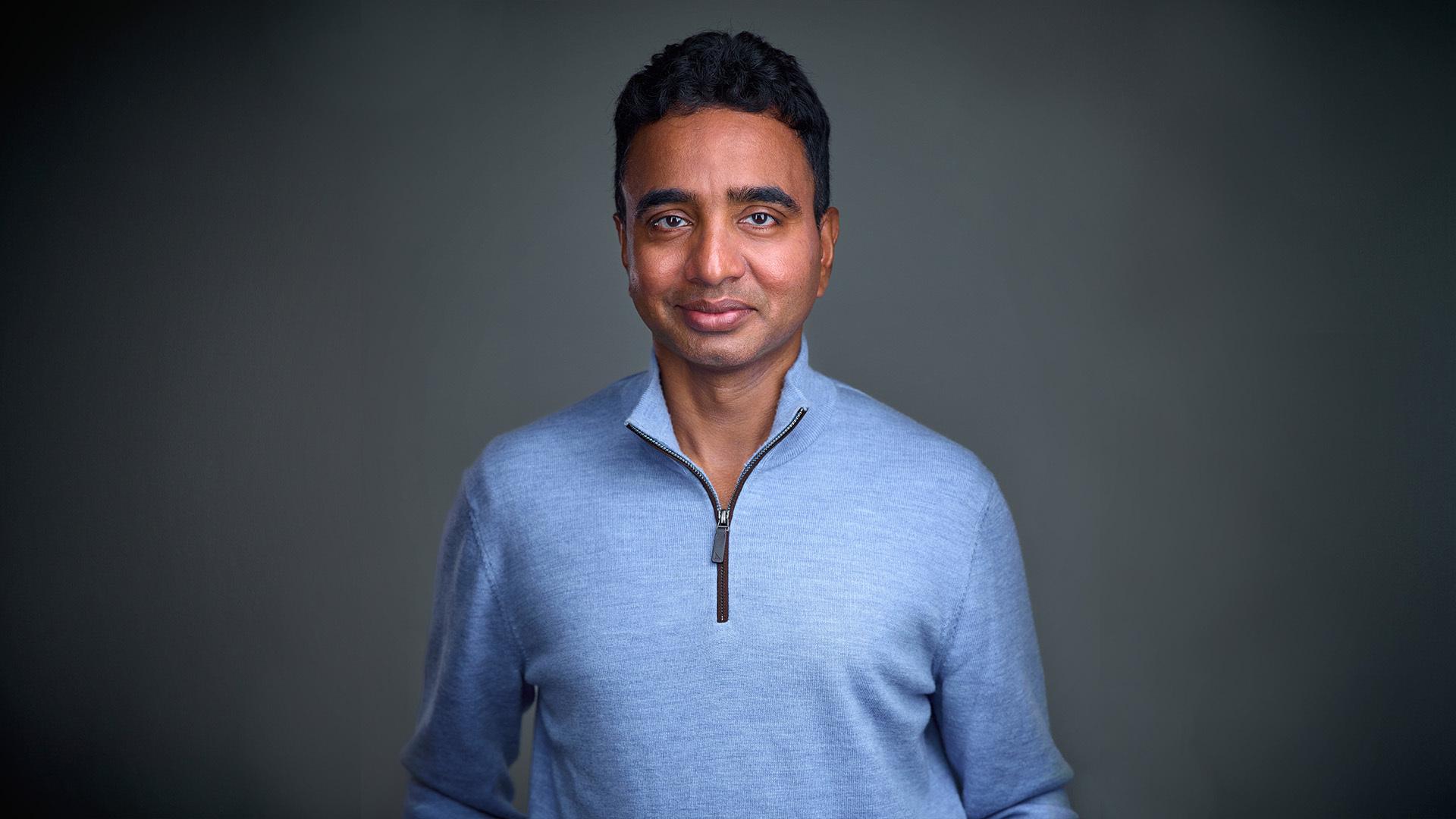
amana, a Middle East and North Africa neobroker serving more than 500,000 users, said on July 7 that it has hired Andrey Artamonov as chief technology and information officer. The title itself is worth pausing on. amana did not split the roles into a CTO and a separate CIO; it handed a single executive responsibility for application development, corporate IT, business intelligence, cybersecurity, cloud infrastructure and platform operations. For a digital-first broker offering access to more than 6,800 instruments including US stocks, ETFs, forex and regional equities, that consolidation is a bet that technology strategy and technology plumbing should answer to one person.
Chief executive Muhammad Rasoul put the framing bluntly, saying technology has always been at the heart of what the company does. We tend to be skeptical of that claim when brokers make it, because trading apps often outsource the hard parts to third-party platform vendors. amana's decision to recruit a builder of the underlying infrastructure, rather than a marketer of someone else's, suggests it wants to own more of its own stack. In a region where fintech competition is intensifying, control of the platform is increasingly the difference between a durable franchise and a reseller.
Two Decades Building Trading Infrastructure
Artamonov is not a generalist parachuting into finance. He spent 17 years at Devexperts, the trading technology provider, including nine years as chief technology officer overseeing engineering teams of more than 700 people. In that seat he directed development of trading platforms, brokerage infrastructure and wealth management systems used by institutions across North America, Europe, the Middle East and Asia. That is precisely the machinery amana now wants to build and operate in-house, and it is rare to find a leader who has done it at that scale for that long.
More recently he founded TripleA Digital, a Lisbon-based consultancy focused on automation and artificial intelligence for financial workflows. We read that detour as important context rather than a footnote. A leader who spent two decades on core trading systems and then chose to go deep on AI-driven automation is signaling where he thinks the next efficiency gains live. amana is effectively acquiring both the institutional platform experience and the more current view on where automation reshapes brokerage operations, packaged in one hire.
A Consolidated Technology Mandate
The breadth of Artamonov's remit deserves scrutiny because consolidated technology mandates cut both ways. On the upside, one accountable executive can align architecture, security and operations without the turf friction that plagues split CTO and CIO structures. Cybersecurity, in particular, benefits from sitting under the same leader who owns cloud and platform operations, since so many failures happen in the seams between teams. For a broker holding client funds and personal financial data, that coherence is not a nicety, it is a regulatory and reputational imperative.
The downside is concentration risk. Application development and corporate IT are genuinely different disciplines, and asking one leader to run both plus security, business intelligence and cloud can overload the role or starve one function of attention. We will be watching how Artamonov staffs beneath himself, because the success of a consolidated mandate at a growing company depends almost entirely on the quality of the lieutenants who own each pillar. In his own words, he sees a real opportunity to build technology that helps set a new standard for investing and trading in the region.
Why the Gulf Is Recruiting Global Platform Talent
This appointment fits a wider trend we have tracked across MENA fintech: regional players are recruiting executives who built platforms for global institutions and asking them to compress years of engineering maturity into fast-growing local franchises. The talent flow is partly a function of ambition and partly of capital, as Gulf and broader regional markets fund financial services that intend to compete on product, not just distribution. Hiring a former Devexperts CTO is a way to import institutional-grade engineering discipline without the decade it would take to grow it organically.
It also reflects a maturing user base. amana's more than 500,000 users increasingly expect the reliability, breadth and speed they see from global brokers, and matching that experience is an infrastructure problem before it is a marketing one. Latency, uptime, order routing and security are the unglamorous features that retain sophisticated retail traders. We think the strategic logic here is sound: at a certain scale, a neobroker either invests in owning its platform or accepts a permanent ceiling on differentiation. amana has chosen the harder, more defensible path.
The AI Subtext
Artamonov's most recent work at TripleA Digital centered on automation and AI for financial workflows, and it would be naive to treat that as unrelated to why amana hired him. The brokerage business is full of processes that AI can compress: onboarding and identity checks, fraud and anomaly detection, customer support, and the surfacing of relevant instruments and insights to traders. A CTIO who has spent recent years specifically on this problem is likely to bring an automation agenda alongside the platform build, rather than treating AI as a later phase.
We would offer one caveat that applies to every broker chasing AI. In a regulated financial context, automation raises the stakes on governance, auditability and bias, and a consolidated technology leader now owns both the ambition and the risk. The advantage of amana's structure is that the person deploying AI also owns security and compliance-adjacent infrastructure, which should force those questions to the surface early. The test will be whether Artamonov ships automation that measurably improves the user experience without creating the kind of opaque decisioning regulators increasingly scrutinize.
What This Signals for Regional Fintech
For executives outside the region, amana's hire is a data point in a larger story about where financial technology leadership is being built. The center of gravity for platform talent is no longer confined to a handful of Western hubs, and consultancies like Artamonov's Lisbon-based venture illustrate how expertise now moves fluidly across markets. Regional brokers that can attract this caliber of leadership are closing the capability gap with incumbents faster than many observers assume.
The broader lesson for any enterprise is structural. amana chose to unify technology and information under one accountable executive at a moment when it is scaling and adding AI ambitions. That is a defensible design when the leader has genuine breadth and hires strong deputies, and a dangerous one when the title is bigger than the person. amana appears to have matched an unusually broad mandate to an unusually broad operator. Whether that translates into the new regional standard Artamonov describes will be visible in the platform's reliability and pace over the next few years.