A Termination With an Unusually Soft Landing
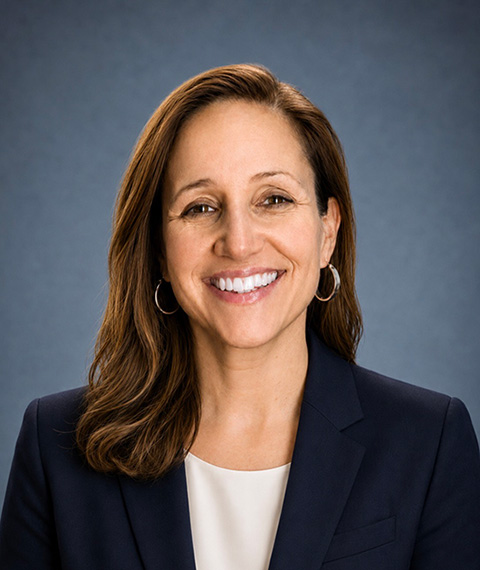
Agilon Health, the New York Stock Exchange-listed company that partners with physician groups to run value-based primary care for Medicare-eligible seniors, disclosed in an SEC filing that it terminated Girish Venkatachaliah as Chief Technology Officer effective August 1, 2026. The announcement came July 17, with the formal 8-K filed July 21. The word the filing uses is termination, not resignation, yet the exit package reads more like a negotiated departure than a for-cause dismissal, which is the detail worth sitting with before assuming this was a routine leadership change.
Venkatachaliah's severance includes 766,063 dollars in cash, paid in installments over twelve months following his separation date. He also keeps continued vesting on his 2025 transformation equity award and outstanding restricted stock units through April 30, 2027, contingent on performance conditions tied to that transformation program. For a company that just used the word transformation in the name of an equity grant, terminating the CTO overseeing that same technology work is a signal worth reading carefully rather than skimming past in a routine filing.
Consulting Through Year End at No Extra Cost
The filing also discloses a transition consulting arrangement running from August 1 through December 31, 2026. Venkatachaliah will provide what agilon describes as transition consulting services during that window, and the company structured the compensation as continued equity vesting rather than additional cash. In plain terms, agilon terminated its CTO and immediately re-engaged him as an unpaid-in-cash advisor for five months, a structure that protects institutional knowledge without technically keeping him on staff or on the executive payroll.
This is a fairly common way for a public company to buy continuity after a leadership change it needs to move quickly on, while limiting the optics and cost of an extended employment relationship. It lets agilon tell the market the technology function has stable hands guiding it through the rest of 2026, even though the person nominally in charge of that function has already been let go. Whether that reads as prudent risk management or as an awkward half-measure depends entirely on what happens to the CTO seat itself.
The Successor Question Nobody Has Answered
Here is the part that should concern anyone tracking agilon as an investor, partner, or competitor: the company's public disclosures do not name a successor Chief Technology Officer. Venkatachaliah's consulting engagement runs through the end of the year, which buys agilon time, but it does not answer who owns platform architecture decisions, security posture, or the Medicare data infrastructure that underpins its entire business model in the interim. Nor does it clarify whether a search is even underway, or whether agilon is waiting to see how the consulting arrangement performs before committing to a permanent hire.
Healthcare technology leadership gaps carry different stakes than the same gap at a typical SaaS company. Agilon's platform touches risk-adjustment data, claims processing, and analytics for Medicare populations across dozens of physician group partners, all under close regulatory scrutiny. An unnamed successor during an active technology transformation is the kind of detail that belongs in a board's risk register, not just a line item buried in an 8-K that most readers will skim past on their way to the financial statements.
Reading the Filing Like an Operator, Not a Reporter
Strip away the corporate language and the sequence looks like this: agilon decided its CTO needed to go, structured an exit generous enough to keep him cooperative and available, and bought itself five months to find a replacement without disrupting the technology function in the meantime. That is a defensible playbook for handling a leadership change at a company that cannot afford a public stumble in its core platform, and it is more thoughtful than an abrupt clean break would have been.
It is also a playbook that only works if agilon actually uses the five months productively. A consulting bridge that turns into a slow-motion search with no clear end date defeats the purpose of structuring the exit this carefully in the first place. The equity-linked incentive keeps Venkatachaliah engaged through December, but it does nothing to guarantee agilon has a permanent CTO lined up before that window closes, and the transformation program the company named its equity grant after keeps running on its own schedule regardless of how the search goes.
The Governance Decision on Your Desk
If your own board is ever structuring a similar transition, decide who owns platform-level decisions during the gap before you file the 8-K, not after reporters or analysts start asking. Name an interim technology lead publicly, even if informally, so investors and partners are not left inferring who is actually accountable for security incidents or system reliability during a consulting bridge. Agilon's filing leaves that question open, and an open question in a regulatory filing tends to get answered eventually, usually at a less convenient moment.
The equity-linked consulting structure itself is worth borrowing regardless of how agilon's search plays out. Paying for continuity through vesting rather than cash aligns the departing executive's incentives with a clean handoff instead of a bitter one, and it costs the company nothing upfront beyond stock it had already committed to grant. Just pair that structure with a named successor or interim owner, something agilon has not yet done in any public filing, and the same playbook gets meaningfully safer for the physician groups, patients, and shareholders relying on the platform to keep running smoothly in the meantime.