A long search ends with an internal pick
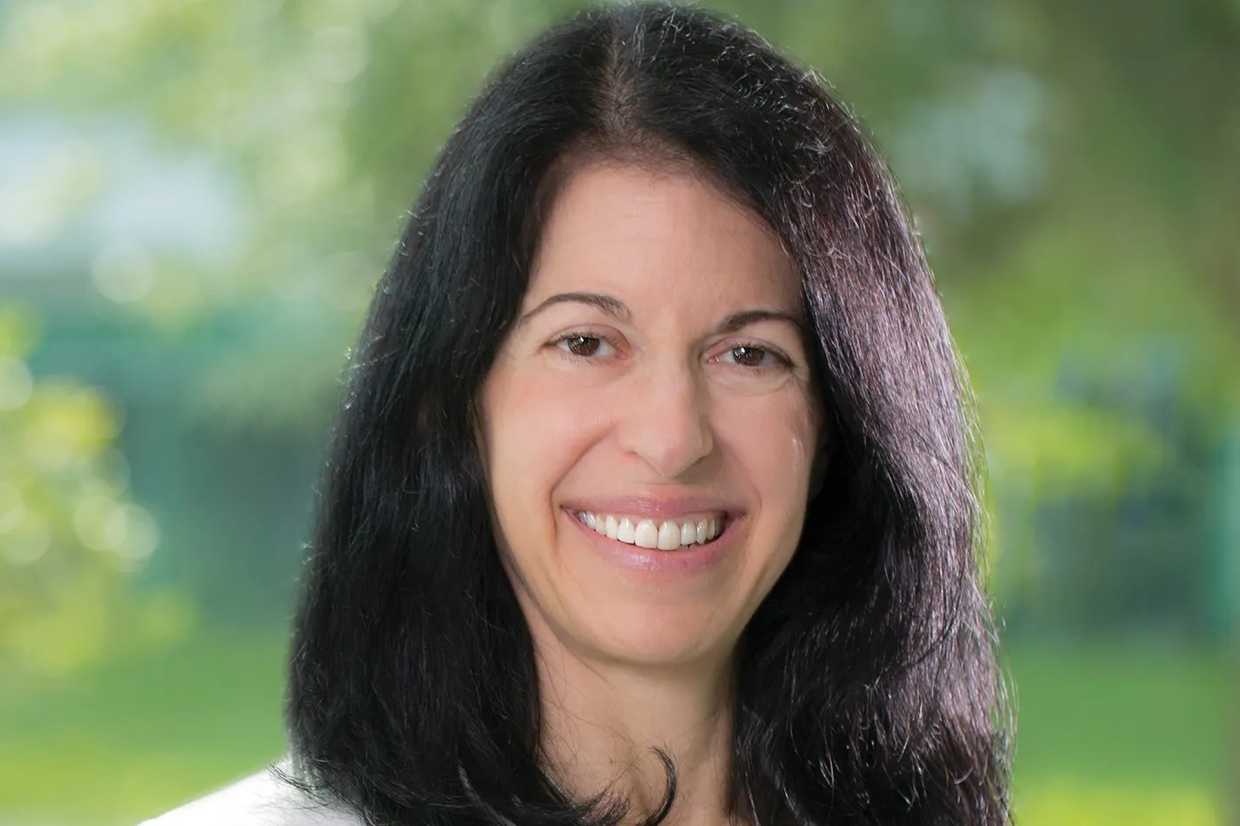
Adobe confirmed that Anil Chakravarthy will become president and CEO effective December 1, 2026, succeeding Shantanu Narayen, who is moving to executive chair. The announcement closes a search that Adobe's board opened in March, when Narayen first said he would transition out once a successor was named and the board had settled on a process. Lead independent director Frank Calderoni had chaired a special committee tasked with weighing internal and external candidates over roughly eight months, and the board ultimately chose from inside the house rather than running a public external search to its conclusion.
Narayen called Chakravarthy 'an experienced transformational leader who leads with values, integrity and a deep knowledge of our business,' a framing that leans hard on continuity rather than a reset. Narayen also praised Adobe's prospects directly, saying 'Adobe's opportunity ahead is limitless with our track record in creating new market categories and world-class products,' language clearly aimed at reassuring investors who have sat through a multi-year slide. Narayen will work closely with Chakravarthy through the transition and remains on the board as chair, a structure that gives Adobe a built in reference point if the new CEO's AI bets need defending to a skeptical market.
Why Chakravarthy and why now
Chakravarthy currently runs Adobe's Customer Experience Orchestration business and worldwide field operations, a unit that built products including Adobe CX Enterprise, GenStudio, and CX Enterprise Coworker, and that absorbed the Workfront and Semrush acquisitions into a single enterprise offering. Before Adobe he spent four years as CEO of Informatica and held senior roles at Symantec, VeriSign, and McKinsey, a resume built almost entirely around enterprise software and customer experience rather than creative tooling. He joined Adobe nearly seven years ago, which matters for the optics here: the board elevated an internal executive from the exact business unit it has been using to prove its AI products work at enterprise scale, rather than reaching outside for an unfamiliar rescue hire.
The timing lands in the middle of sustained investor pressure that has not let up. Adobe shares fell 25% in 2024, 21% in 2025, and were down 18% so far in 2026 at the time the succession was first announced, following a strong 2023 that now looks like an outlier rather than a trend. Shares dropped about 2% in extended trading when Chakravarthy's appointment was confirmed in September, a muted reaction that suggests the market had already priced in an internal successor rather than expecting a dramatic outside hire to arrest the slide on its own.
The departure that makes this a reshuffle, not just a handover
Chakravarthy's elevation does not happen in isolation. David Wadhwani, who ran Adobe's Digital Media business, the unit behind Creative Cloud and the company's historic flagship products, announced his own departure around the same window, posting on LinkedIn that 'as much as Adobe means to me, I've decided this is the right moment for me to start a new chapter.' Losing the Digital Media chief just as the Customer Experience chief moves up to the top job concentrates power and continuity risk in a narrower set of hands than Adobe has had in years, at precisely the moment it is trying to reassure the market about its direction.
For a company whose creative tools built its brand and whose enterprise products are supposed to fund the next one, that reshuffle matters more than the CEO title change by itself. Whoever runs Digital Media next inherits a business facing real competitive pressure from AI native image and video tools springing up across the market, at the exact moment the CEO's own professional background sits almost entirely on the enterprise side rather than the creative side that still generates the bulk of Adobe's revenue and brand recognition among everyday users.
What a CX executive running Adobe signals about strategy
Boards rarely promote from a single business unit without meaning to signal where the company is headed next, and this choice is about as clear a signal as a board can send without saying it outright. Chakravarthy's unit built GenStudio and CX Enterprise Coworker, Adobe's answer to the agentic workflow tools competitors are shipping into marketing and operations teams across the enterprise software landscape. Picking him over an external candidate or a Digital Media leader tells the market Adobe sees its next growth curve in AI powered enterprise workflow, not in defending Creative Cloud's historic dominance against a wave of cheaper, AI native alternatives chipping away at its creative tools moat.
That is a reasonable bet given where enterprise software spend is actually moving right now, but it is also a bet that Adobe's creative franchise can coast on habit and switching costs while leadership attention and capital allocation shift elsewhere. CTOs and CIOs evaluating Adobe as a platform vendor should read this appointment as confirmation that CX Enterprise and GenStudio, not the Creative Cloud roadmap, are where Adobe wants its next big product commitments and engineering investment to land over the coming several years.
The decision this creates for enterprise buyers
If your organization runs Adobe Experience Platform, Workfront, or any of the Semrush integrated tooling, a CEO who personally built that stack from the inside is good news for roadmap continuity on exactly those products. Expect faster investment and clearer AI agent integration across the customer experience suite going forward, because that is the leadership's lived expertise and the thing their own professional credibility is now tied to directly in front of the board and investors watching this transition closely.
If your bet on Adobe runs through Creative Cloud or Digital Media instead, the picture is considerably murkier right now. A CEO without a creative tools background, paired with the Digital Media chief's exit in the same window, is a governance signal worth raising proactively in your next vendor review. Ask Adobe directly how it plans to staff and fund Digital Media leadership going forward, and get that answer in writing before you renew any multi-year creative tooling commitments that assume stable, well-resourced leadership on that side of the business.
The roadmap takeaway
Succession stories are usually read as personnel trivia, a name change on an org chart that outsiders can safely skim past. This one is a strategy tell instead. Adobe just spent roughly eight months running a formal search and ultimately picked the internal candidate whose entire career at the company has been built around enterprise AI workflow, over any candidate with a creative tools pedigree, while its stock fell through nearly all three years of his rise inside the business and investor patience visibly thinned with every passing quarter.
For CIOs and CTOs who size up vendors partly by where their leadership's incentives and backgrounds point, that is the signal worth acting on now rather than filing away. Adobe's enterprise AI roadmap just got a CEO who will defend it personally because it is his own professional legacy, and its creative tools roadmap just lost the executive who ran that side of the house for years. Plan your next Adobe renewal conversation explicitly around which side of that split your own contracts and dependencies actually sit on.