The patch that didn't actually close the door
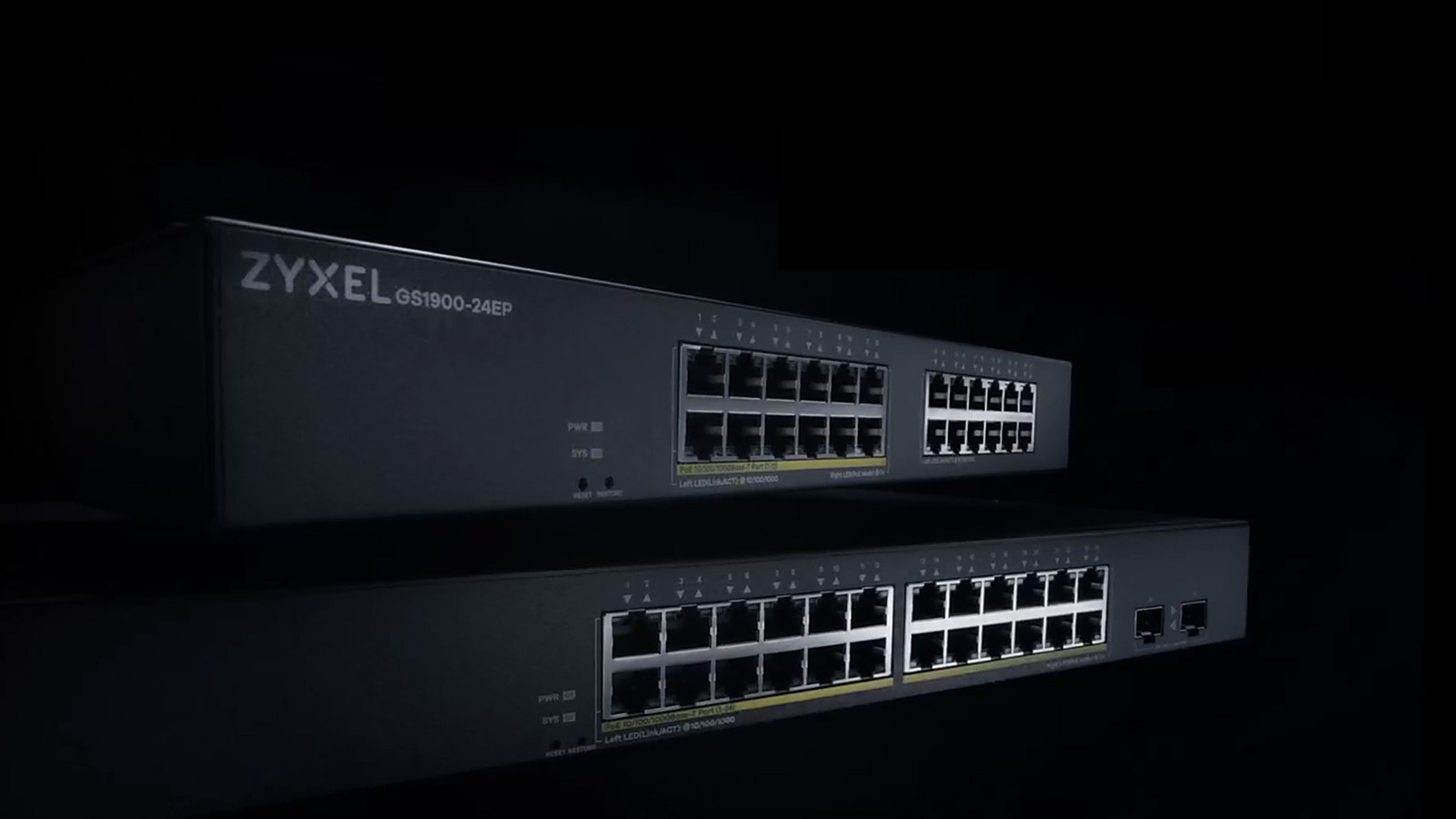
Zyxel patched its GS1900 line of network switches back on June 16, fixing a critical pre-authentication buffer overflow tracked as CVE-2026-7273. For most vendors and most customers, that would have been the end of the story. Instead, security researchers at Binarly found an exposed archive containing an obfuscated Python exploit script that still worked against every one of the ten firmware releases Zyxel had shipped to fix that original flaw. The June patch added validation checks, but attackers found they could corrupt a parameter counter before those checks ran, sidestepping the fix entirely.
Binarly reported the new flaw to Zyxel on September 29. Zyxel confirmed it on October 11 and assigned it a fresh identifier, CVE-2026-107441, an out-of-bounds write in the switches' web management interface that lets an unauthenticated attacker with network access run operating system commands through crafted HTTP requests. The vendor released corrected firmware on October 22, limiting parameter sizes and validating the parameter count before any data gets copied into memory, and published its public advisory on November 3.
Nearly a thousand switches, and the wrong CVE got the blame
GreyNoise disclosed the underlying attack campaign back on September 21, attributing the compromises it observed to the original CVE-2026-7273, the flaw Zyxel had already patched in June. CISA added that older CVE to its Known Exploited Vulnerabilities catalog the same day. It took Binarly's separate research to establish that a second, distinct vulnerability was the real mechanism behind ongoing exploitation, meaning the industry spent weeks tracking the wrong root cause while devices kept getting compromised.
By the time the dust settled, GreyNoise had counted 996 compromised GS1900 devices spread across 48 countries, with the campaign dating back to roughly August 17. That is a meaningful fleet of edge network infrastructure sitting under attacker control for close to three months before the correct vulnerability was identified and a working fix shipped. For any CTO who treats a vendor's patch announcement as closing the incident, this is the counterexample worth keeping on file.
Who's behind it, and what they actually did once inside
GreyNoise ties the campaign to a suspected Chinese-speaking threat actor it tracks under the name Kapibala, which it links to the wider Red Heron campaign. Acronis had previously reported Red Heron exploiting a separate, critical flaw in Gitea, the self-hosted Git service, suggesting this is a group working across multiple vulnerability classes and device types rather than a single opportunistic actor fixated on one product line. Security researchers at Binarly, the firm that eventually found the real flaw behind the switch compromises, also uncovered JITTERLY, a backdoor, and SIXZUT, a rootkit, inside infrastructure tied to Red Heron, giving defenders a concrete set of artifacts to hunt for across their own networks.
Once inside a GS1900 switch, the attackers downloaded a script that systematically collected device configurations, hashed root credentials, and surrounding network information. That is reconnaissance-grade activity consistent with building out access for later use rather than a smash-and-grab operation, and it means every compromised switch should be treated as a potential staging point for lateral movement into whatever network segment it sits on, not just a nuisance to patch and move past. A switch that has been silently harvesting credentials and topology data for close to three months has had ample time to map everything connected to it, which raises the stakes of remediation well beyond simply installing the new firmware and closing the ticket.
Network edge devices keep failing the same way
This incident fits a pattern enterprise security teams have seen repeatedly this year across firewalls, VPN concentrators, and now switches: a vendor patches a known issue, attackers find an adjacent flaw the patch didn't anticipate, and the gap between exploitation and correct attribution runs into months rather than days. Network switches in particular rarely get the same patch-management attention as servers or endpoints, because they are treated as infrastructure plumbing rather than attack surface, even though a compromised switch can see and manipulate traffic for everything connected to it. Most asset inventories built for vulnerability management were designed around servers, laptops, and cloud workloads, and treat the switches and access points that carry that traffic as a fixed, low-priority backdrop rather than a device class that needs its own firmware tracking and compromise-assessment process.
The misattribution angle deserves specific attention from any security operations team that leans on CISA's KEV catalog or vendor advisories as a primary signal for what to patch. CVE-2026-7273 being listed as actively exploited was technically true, but it sent defenders looking at the wrong code path for two months. Teams running GS1900 switches, or any Zyxel edge hardware, should treat a vendor's confirmation that a flaw is fixed as a hypothesis to verify against observed behavior, not a closed ticket.
What this means for your patch management program
The immediate action is firmware. Administrators running any of the ten affected GS1900 models should install the firmware Zyxel shipped on October 22 without waiting for a quarterly maintenance window, given nearly a thousand devices are already confirmed compromised in the wild. Organizations that have not inventoried every network switch on their estate, including ones purchased years ago and left running without active management, should treat this as the prompt to do so now.
More broadly, this incident argues for building a verification step into your vulnerability management process that goes beyond trusting a vendor's patch notes. When a security researcher or threat intelligence firm reports exploitation tied to a specific CVE, it is worth asking whether that attribution has been independently confirmed against the actual exploit mechanism, especially for infrastructure devices where a wrong assumption can leave a real hole open for months while everyone believes it is closed. Budget a recurring line item for third-party firmware and configuration audits on networking hardware specifically, separate from the server and endpoint scanning most vulnerability management tools already cover well, since the tooling gap is exactly where this class of incident keeps slipping through.