Wickes just switched on the first till of a multi-year overhaul
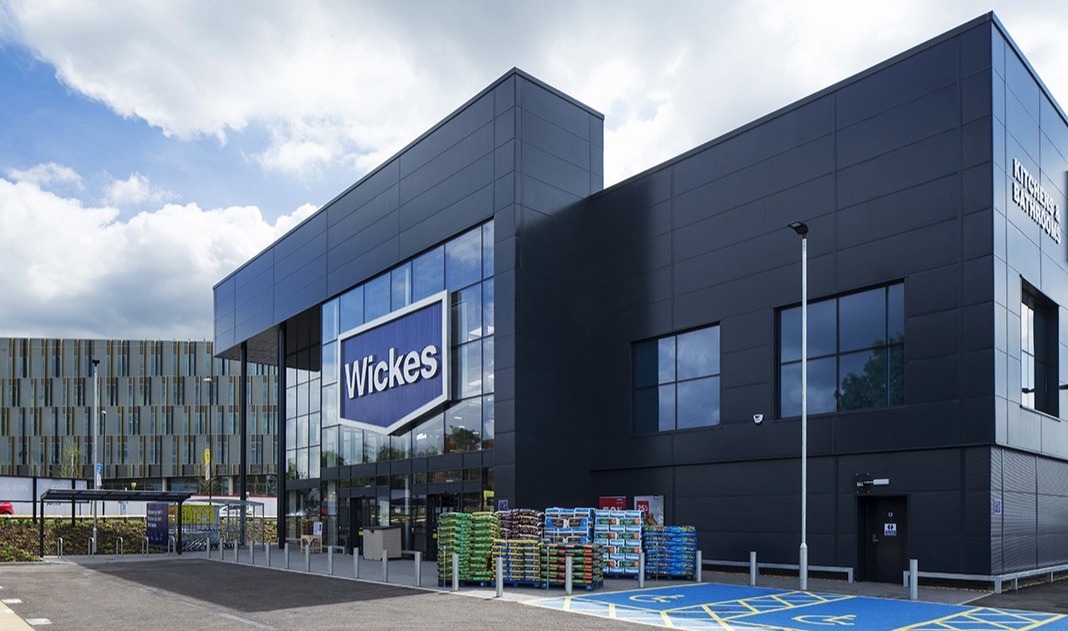
On July 15, the Woking branch of UK home improvement retailer Wickes became the first store to go live on a new unified commerce platform, the opening move in a point-of-sale transformation that will run into 2027. "This wasn't just a simple till upgrade, but rather the first phase of a major digital transformation," wrote Ben Dahan of Wickes, who called watching the first live transaction "an unforgettable moment." The enthusiasm is understandable. Replacing the till estate is one of the highest-risk, lowest-glamour projects a retailer can undertake, and getting a single store trading cleanly on new infrastructure is a real milestone. It is also the easy part of a long road.
We highlight a project this unflashy on purpose. While the trade press chases agentic checkout and AI shopping agents, the retailers that will actually capitalize on those trends are the ones quietly rebuilding the systems underneath. A unified commerce layer ties the store, the website and fulfillment into one view of inventory and orders, which is precisely the foundation every AI-driven and delivery-driven shopping experience depends on. Wickes is doing the boring work first, and that sequencing is the strategic decision worth studying. The till hardware will be forgotten in a year. The data architecture it sits on will shape what the retailer can do for the next decade.
Unified commerce means one truth about inventory and orders
The phrase gets used loosely, so it is worth being precise. Unified commerce collapses the historically separate systems for in-store POS, ecommerce and order management into a single platform working from one real-time record of inventory, customers and transactions. Wickes has paired the new till systems with an order management system rolling out in two phases across 2026 and 2027, aimed at simplifying ordering and fulfillment and improving order accuracy. The payoff is a store associate and a website drawing on the same stock data, so a customer sees consistent availability whether they shop online, in the aisle, or through a click-and-collect order placed the night before.
This is harder than a website replatform because it touches the physical store, where downtime means lost trade and confused staff. It is also where most retailers carry the heaviest technical debt, with POS systems that are years old and stitched to inventory and finance through brittle integrations. Ripping that out is genuine open-heart surgery on a live business. The reason to endure it is that fragmented systems make every modern initiative harder. Accurate delivery promises, buy-online-pickup-in-store, agentic discovery and even basic omnichannel returns all break down when the store and the website disagree about what is in stock. Unified commerce is the precondition, and it is worth the pain.
The plumbing is what makes the shiny stuff work
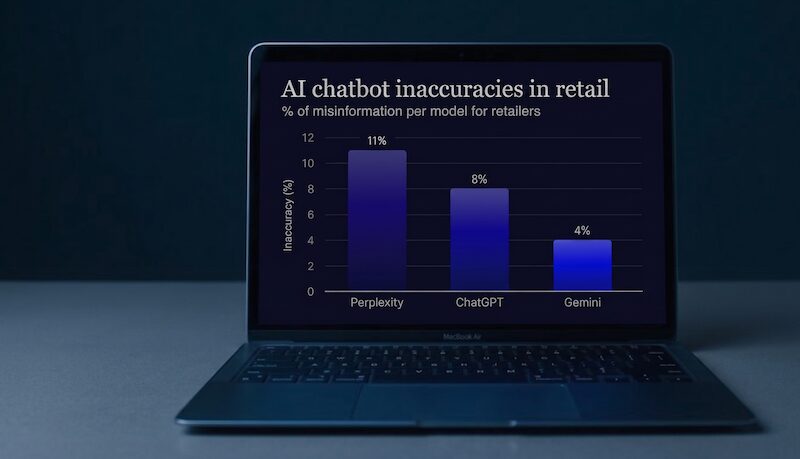
Consider the connection to the delivery and AI stories moving through retail this same week. Foot Locker just put more than 1,000 stores onto Uber Eats, a bet that only pays off if store-level inventory is accurate enough for couriers to fulfill without cancellations. A new benchmark now scores retailers on whether AI agents can read their real-time availability. Both of those depend on exactly the layer Wickes is installing. A retailer without a single, trustworthy view of store inventory cannot safely expose that inventory to a delivery marketplace or an autonomous shopping agent. The unglamorous replatform is what makes the headline-grabbing channels viable in the first place.
This is the argument we keep making to CxOs weighing where to spend scarce transformation budget. The temptation is to fund the visible, board-pleasing AI pilot. The durable advantage comes from the systems of record underneath, because they compound. Once a retailer has clean, unified inventory and order data, every new channel plugs into it at low marginal cost. On a shaky base, each new initiative becomes another bespoke integration, and the whole structure gets more fragile with every addition. Wickes appears to understand the order of operations. Fix the core, then multiply the channels, and let the plumbing do the quiet work of making each new bet cheaper than the last.
One store, then the estate
The rollout method is as instructive as the technology. Wickes went live in a single store and is explicit that feedback and insights from live trading will shape the wider deployment. That is the correct way to de-risk a POS transformation. A big-bang cutover across hundreds of stores is how retailers end up in the case studies nobody wants to be in, with checkout outages during peak trading and staff reverting to paper workarounds. Proving the platform in one live environment, learning from it, and then scaling is slower and far safer. The two-phase order management rollout across 2026 and 2027 follows the same patient logic of proving before scaling.
For readers planning similar work, the lesson is to resist pressure to compress the timeline. Boards want the benefits quickly, and vendors are happy to promise fast rollouts. Store systems punish haste, because the failure mode is a customer standing at a broken till in front of a growing queue. Wickes is trading speed for reliability, and it is testing through real trading conditions rather than a lab. We would hold the line on that discipline even when the multi-year timeline looks slow next to a competitor's flashy AI announcement. The competitor with a broken checkout does not keep the customer it dazzled the week before.
What this means for your own systems roadmap
The practical takeaway is a sequencing question every retailer should ask before the next budget cycle. Is your inventory data accurate and unified enough to support the channels you are about to add, or are you bolting delivery apps and AI agents onto a fragmented core that will buckle under them? If the honest answer is the latter, the Wickes path of replatforming the foundation first is the less exciting but more defensible investment. It buys reliability that every future initiative draws on, and it removes the quiet tax that brittle integrations levy on every project you attempt afterward.
We are not arguing that retailers should pause AI and delivery ambitions while they rebuild systems for two years. Markets do not wait. The point is to be clear-eyed about dependencies and to fund the core in parallel rather than pretending it does not exist. Wickes has chosen to make its systems of record modern and unified before it scales, and it is doing so through a careful, store-by-store pilot. In a year full of louder announcements, that is the retail technology decision most likely to still look smart in 2028. The plumbing rarely trends. It is usually what wins in the end.