Walmart's Second Big Screen Bet
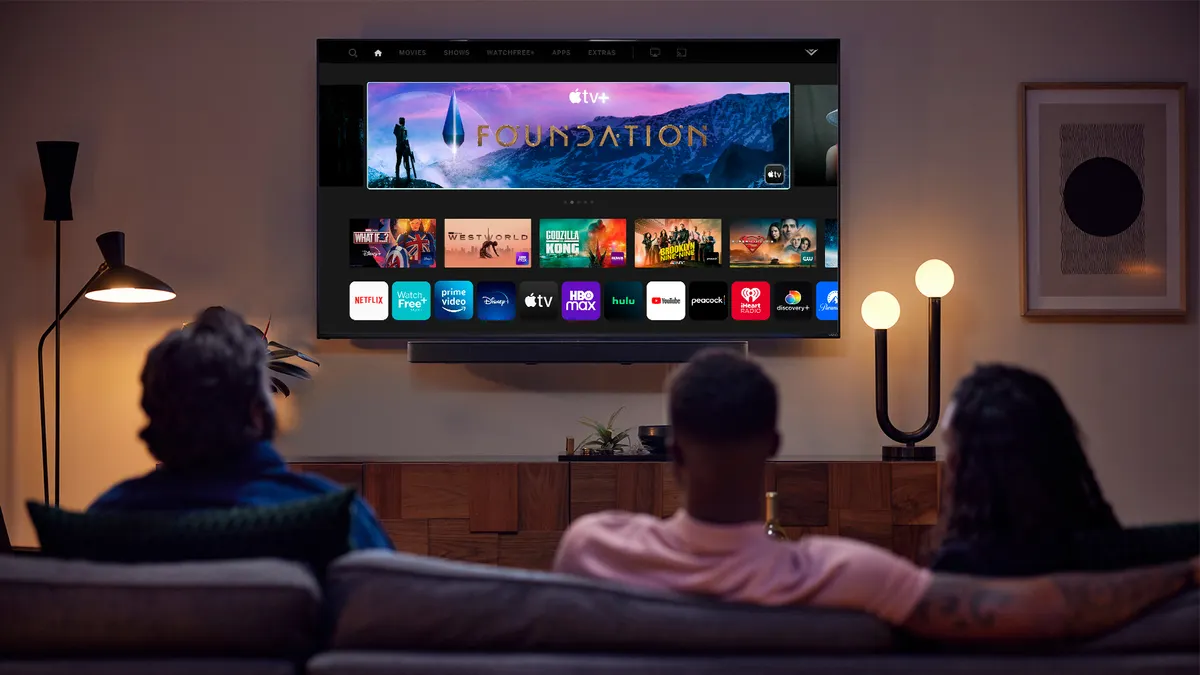
Walmart is acquiring Vibe, a self serve connected TV advertising platform, for a reported 1.2 billion dollars in cash. It is the retailer's largest investment in streaming television since it bought smart TV maker Vizio for 2.3 billion dollars in 2024, and together the two deals sketch a clear ambition. Walmart does not merely want to sell ads against its own website and stores, it wants to own a meaningful slice of how brands reach consumers on the living room screen, and to make that reach measurable in a way traditional television never was.
The strategic logic runs through data. Walmart Connect, the retailer's advertising arm, grew 44 percent excluding Vizio, a rate that explains why the company keeps pouring capital into media infrastructure. Retail media has become one of the most profitable and fastest growing lines in all of retail, because it sells something uniquely valuable: access to shoppers, informed by actual purchase behavior. Extending that machine onto connected television is the next logical frontier, and Vibe is the vehicle.
Why the Small Business Angle Matters
Vibe's distinguishing feature is who it serves. It is a self serve platform built specifically for small and mid sized businesses and mid market brands that have historically found television advertising too complex and too expensive to bother with. Martin Kristiseter, chief executive of Digital Remedy, noted that the deal lowers the barrier to entry for connected TV, particularly for the small and mid sized businesses that previously found TV advertising too complex. That democratization is the commercial heart of the acquisition.
The market data explains the appeal. Nearly 70 percent of connected TV advertisers expect to increase spending this year, and the share of small connected TV spenders has climbed from 60 percent in 2024 to 85 percent in 2026. In other words, the growth in streaming advertising is coming disproportionately from smaller advertisers who are newly able to participate. A self serve platform that makes it easy for them to buy, backed by Walmart's scale and data, is positioned squarely in the fastest growing part of the market.
Deterministic Data Meets Probabilistic Identity
The technical thesis behind the deal is a marriage of two kinds of data. Jesse Math of Keen Decision Systems described it as uniting Walmart's deterministic purchase data with Vibe's probabilistic cross device identity graph, further connecting exposure and outcomes. Deterministic data is Walmart knowing, with certainty, what a shopper actually bought. Probabilistic identity is Vibe's ability to link a person across the devices they use. Fuse them and you can begin to close the loop that has always eluded television: did this ad actually drive that purchase.
Closing that loop is the holy grail of advertising measurement, and it is precisely what retail media does better than any other channel. Traditional television advertising has always struggled to prove causation between an ad seen and a product bought. By connecting streaming ad exposure to verified Walmart transactions, the combined platform can offer advertisers something close to attribution on the biggest screen in the house. That measurability is what justifies premium pricing and what makes retail media so structurally attractive.
The Retail Media Land Grab Reaches the Living Room
This acquisition is one move in a broader consolidation, as the largest retailers race to build advertising businesses that rival pure media companies. Retail media grew up on the search bar and the product page, then expanded to in store screens, and is now colonizing connected television. Walmart, Amazon, and their peers are assembling the pieces to become full spectrum advertising platforms, monetizing every surface where they touch a consumer, from the app to the aisle to the streaming feed.
The competitive stakes are significant. Whoever can offer advertisers the most complete, most measurable path from impression to purchase will capture an outsized share of budgets migrating away from traditional media. Walmart's two big television bets, Vizio's screens and now Vibe's self serve buying, give it presence at both ends of the connected TV value chain. That vertical position, owning both the inventory and the tools to buy it, is difficult for competitors to replicate and is the real prize behind the price tag.
The Privacy Reckoning Waiting in the Wings
Fusing verified purchase data with cross device identity to target and measure television advertising is commercially powerful and, inevitably, a magnet for privacy scrutiny. The very capability that makes the combined platform valuable, knowing who a shopper is across devices and what they actually bought, is the capability regulators and privacy advocates watch most closely. As retail media grows into a channel that tracks consumers from the streaming feed to the checkout, the questions about consent, transparency, and data use will grow with it.
Retailers have so far enjoyed a degree of trust that pure ad tech companies lost long ago, benefiting from a relationship with customers built on transactions rather than surveillance. That goodwill is an asset worth protecting, and it is not guaranteed to survive if consumers come to feel that their purchase histories are being quietly weaponized to follow them around the television. The smart players will invest in transparency and control ahead of the regulation that is surely coming. The measurement advantage is real, but so is the reputational exposure, and the two need to be managed together.
What Retail and Marketing Leaders Should Watch
For retail executives, the message is that a media business is no longer optional, it is a core competency and a major profit engine. The economics are compelling because advertising margins dwarf retail margins, and because purchase data is an asset most competitors outside retail simply cannot match. Building or acquiring the infrastructure to monetize that data across every channel, including television, is becoming table stakes for large retailers rather than a differentiator.
For marketing leaders on the buying side, the development is double edged. More measurable, more accessible connected TV advertising is genuinely useful, and platforms like Vibe lower a real barrier. But it also deepens dependence on retail media giants who now sit astride both the data and the channels, and who know exactly what your customers buy. The convenience is real, and so is the concentration of leverage. Advertisers should embrace the measurement while staying clear eyed about who ultimately controls it.