What TikTok actually launched
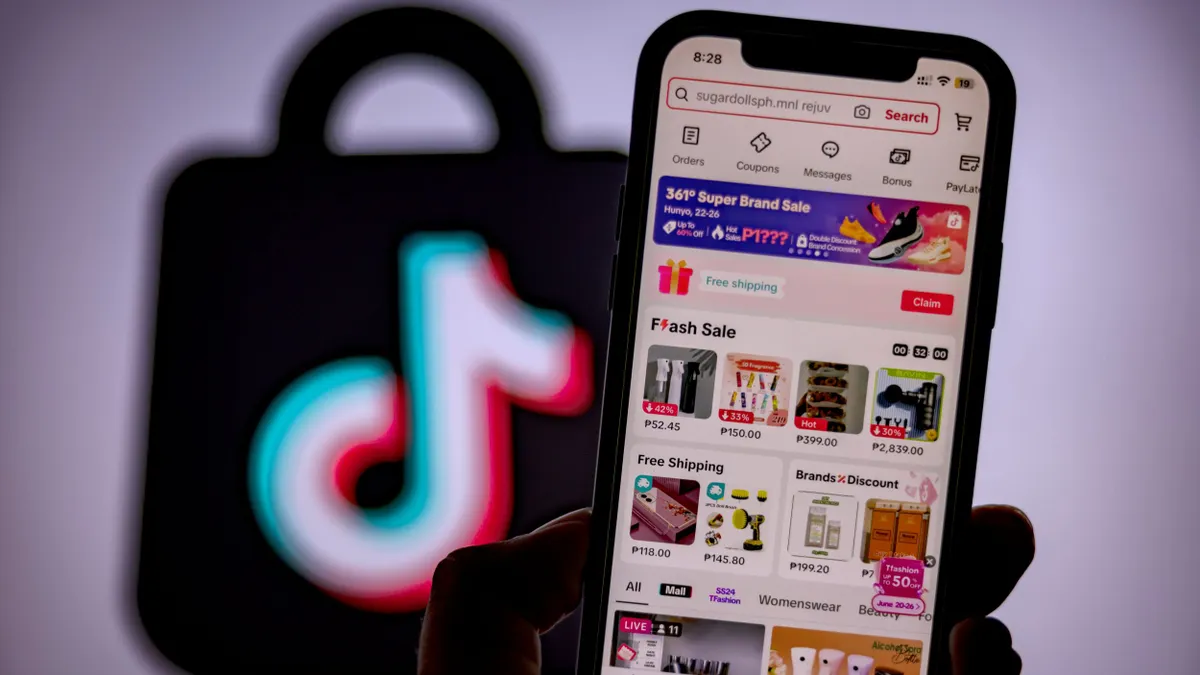
TikTok introduced two linked features inside its app: a Shopping Assistant, a conversational AI agent the company says understands context and remembers what a user needs, able to answer questions about product details, shipping, sizing, and availability; and Buy Direct, a one-click purchase button that lets customers buy straight from a brand without leaving the For You feed. Together, TikTok is calling this an agentic AI shopping experience, the company's own framing for what is effectively a closed-loop discovery-to-checkout system built entirely inside its own app.
No specific retailers or brands were named as initial participants in the rollout, and TikTok gave no phased timeline, regional availability, or merchant onboarding details. That omission matters: a feature this significant, bypassing the retailer's own website and app entirely, normally comes with launch partners eager for the press. The absence suggests either an early, limited test or a deliberate choice to let the feature speak for itself before naming who is exposed to it.
The standards effort happening in parallel
The same week, the Retail AI Council, whose membership includes McDonald's, Best Buy, and Whole Foods Market, formed a Shopper Context Protocol Working Group. The stated purpose is to standardize how merchants describe their products, inventory, and shopper context to outside AI agents, the kind of interoperable layer that would let any AI assistant, whether ChatGPT, Gemini, or a retailer's own app, query a merchant's catalog the same consistent way rather than requiring custom integrations for each platform.
That is the opposite architecture from what TikTok just shipped. An open protocol lets a merchant expose its catalog once and have every compliant AI agent consume it. TikTok's Shopping Assistant and Buy Direct keep the entire interaction, discovery, question-answering, and purchase, inside TikTok's own walled garden, with TikTok controlling the interface, the ranking, and the data generated by every interaction. Retailers get a sales channel, but not a standardized or portable one.
Why this is a real fork for merchants, not a false choice
For a retail CTO deciding where to invest integration effort this quarter, these are genuinely different bets. Building for an open protocol like the one the Retail AI Council working group is drafting means writing integration code once and getting exposure across multiple AI surfaces as they adopt the standard, but it requires waiting for the standard to stabilize and for enough AI platforms to actually implement it. Building for TikTok's closed Shopping Assistant means immediate access to a platform with documented purchase influence today, but every integration decision, every ranking change, and every policy shift happens entirely on TikTok's terms.
Most merchants will end up pursuing both tracks at once, and the sequencing is what actually matters here. A retailer with limited engineering bandwidth for agentic commerce integrations should treat TikTok as a near-term revenue channel to instrument and measure now, while treating the Shopper Context Protocol as a medium-term architecture bet worth tracking closely. A working group forming is several steps removed from a ratified, widely adopted standard, and resourcing both at equal priority this quarter would misallocate scarce engineering time toward a specification that has yet to publish anything implementers can build against.
The attention numbers behind TikTok's confidence
TikTok's rollout is backed by data the company commissioned with PF Global: a survey of more than 11,000 U.S. adults found 55% say the platform has helped them make more informed purchasing decisions, and the companies estimate 54 million U.S. consumers have purchased a product after watching a TikTok video. Those figures explain why TikTok believes it can build a closed agentic shopping loop rather than plugging into someone else's open standard: it already has the attention and the purchase-influence data to justify keeping the transaction on-platform.
That scale is also exactly why the Retail AI Council's standards effort needs urgency it may not have. If TikTok, and by extension any other large closed platform with comparable reach, can build functioning agentic commerce loops faster than an industry working group can ratify an open protocol, merchants will route around the standard entirely, platform by platform, long before it matters. Standards bodies move at the speed of consensus; attention platforms move at the speed of a product launch.
What to watch next
Three signals will tell CTOs which direction this is actually heading. First, whether TikTok names specific retail or brand partners for Buy Direct in the coming weeks, which would indicate the feature is moving from test to scaled rollout rather than a limited pilot confined to a handful of in-house brands. Second, whether the Shopper Context Protocol Working Group publishes a draft specification with committed implementers, rather than just a formation announcement, within the next two quarters, since council memberships are cheap to collect and reference implementations are not. Third, whether any other major platform with a comparable attention base, Instagram, Pinterest, or a search engine, announces its own closed agentic shopping loop, which would confirm the pattern is structural across the industry rather than a one-off bet unique to TikTok's feed format and short-video audience.
Until those signals clarify, the safest posture for most retail technology teams is to instrument whatever closed platforms already carry measurable purchase influence, TikTok chief among them, while assigning a small team to track the open standards effort without over-investing engineering resources in a specification that has not yet shipped a working reference implementation. Agentic commerce is clearly arriving faster than the governance layer meant to keep it interoperable, and the companies that win this round will be the ones that treat every closed platform integration as a reversible bet rather than a permanent architectural commitment they cannot unwind when the standards layer eventually catches up.