Square Puts Its Sellers Where the Shoppers Are Asking
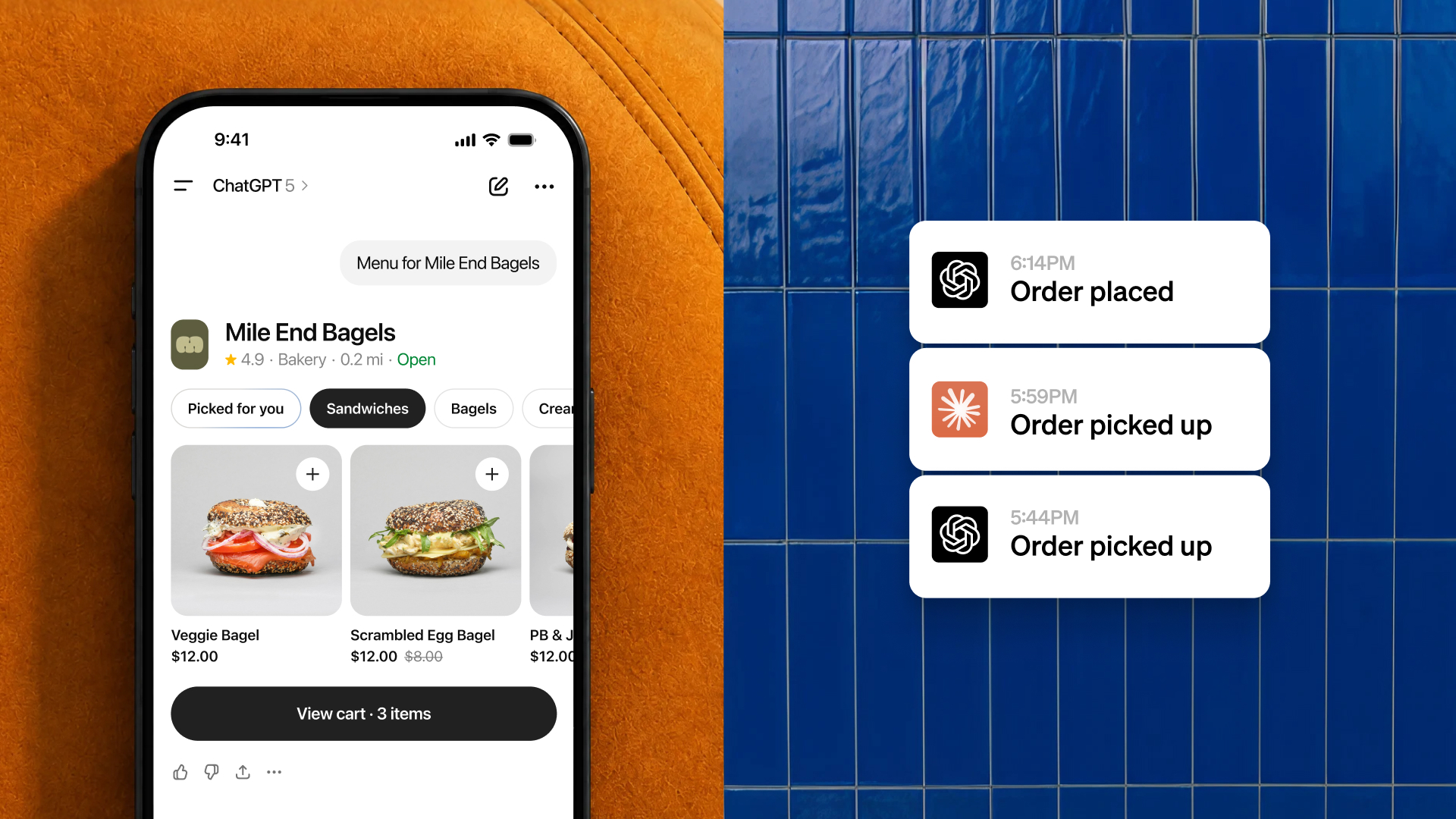
On July 1, Block's Square unit switched on a ChatGPT app and a Claude plugin that let its merchants be discovered and transacted with directly inside AI assistants. The first cohort is deliberately narrow: food and beverage sellers in the United States that already run Square Online Ordering. Those sellers are opted in automatically, with no new contracts, no integration work, and no engineering resources required. When a shopper asks ChatGPT or Claude for a nearby coffee roaster or a lunch spot, an eligible Square seller's menu can surface and the order can be placed without the customer ever leaving the conversation. It is a quiet launch with a loud strategic implication for how small businesses reach demand.
The mechanics matter because they remove the two things that usually kill small-merchant adoption of a new channel: cost and setup. Orders route straight into a seller's existing Square systems, and Square is charging no additional marketplace commission on transactions that originate in these AI surfaces. That pricing choice is pointed. Delivery marketplaces built their businesses on double-digit take rates, and Square is signaling that agentic discovery should not carry the same tax. For a category running on thin margins, a zero-incremental-fee channel that appears inside the fastest-growing consumer interface of the decade is close to irresistible, and that is exactly the bet Square is making.
A Bet That Discovery Is Moving Into the Chat Window
Square is not subtle about why it moved. "Consumer behaviors and preferences are constantly evolving, and business owners can easily find themselves playing an impossible game of catch-up," said Morgan Kuntze, global partnerships lead at Block. The framing casts Square as the layer that spares merchants from having to chase each new assistant, protocol, or model on their own. Square cited data that more than 42 percent of consumers now use AI tools in some part of their shopping, and pointed to forecasts that agentic commerce could drive nearly 385 billion dollars in United States ecommerce spending by 2030. Whether those numbers hold, the direction of travel is clear enough to justify getting sellers listed now.
Sellers in the pilot describe the appeal in plainer terms. "With agentic commerce and AI tools working in the background, we're confident knowing that our business is being digitally discovered and is consistently growing in efficiency," said Andrew Costaris, digital vice president at Partners Coffee. That word, background, is the tell. The promise here is not another dashboard for an overworked operator to manage, but presence in channels the operator will never touch. For a coffee brand that treats each cup as an opportunity to pause and reflect, as Costaris put it, the trade is straightforward: let Square handle machine-readable discovery while the shop focuses on the human experience in the room.
The Standards Game Behind the Launch
The ChatGPT and Claude integrations are the visible surface, but the more consequential work is happening in the plumbing. Square says it is participating in the emerging standards that will govern agent-to-commerce interactions, including efforts tied to the AAIF, the W3C, and the Universal Commerce Protocol. It is also building toward Amazon's Alexa Plus, which would extend the same seller catalog into voice. The strategy is to make a single Square profile portable across every assistant that matters, so a merchant onboards once and appears everywhere. That is a familiar platform playbook, and Square has the installed base to attempt it.
We read this as Square defending its most valuable asset, which is not payments hardware but the structured catalog and ordering data behind millions of small businesses. In an agentic world, whoever holds clean, machine-readable inventory becomes the supplier of record to the assistants. By racing to standardize how that data is exposed, Square is trying to ensure the assistants come to Square rather than to a rival aggregator or directly to the merchant. The company that owns the connective layer collects the strategic rent even when it forgoes the transactional fee, and Square appears to understand that trade precisely.
What It Means for Enterprise Buyers
For technology leaders outside the food and beverage niche, the Square move is a preview rather than a product they will buy today. The lesson is that agentic discovery is arriving channel by channel, and the winners will be the platforms that make participation invisible to the end operator. Any enterprise that sells through a mix of owned storefronts and third-party surfaces should be asking how its catalog is structured, how its inventory is exposed to agents, and who controls that exposure. The Square launch shows that the answer increasingly lives in a partnership and a protocol, not in a bespoke integration built and maintained in-house.
There is also a competitive warning embedded here. Square is one of several commerce platforms now racing to put merchants inside assistants, alongside larger commerce clouds and a wave of specialized startups. The differentiator will be economics and reach, and Square's decision to waive incremental commissions raises the bar for everyone. Enterprises evaluating commerce platforms should treat agentic distribution, and its pricing, as a first-class selection criterion. The channel is young, the take rates are still being set, and the terms agreed to in 2026 will shape margins for years. Square just made the opening move public.
The Risks Square Is Quietly Absorbing
A frictionless launch hides real questions. When an agent places an order on a shopper's behalf, accountability for accuracy, allergens, substitutions, and refunds becomes blurry. Square's decision to route orders into existing systems keeps fulfillment familiar, but the discovery layer now sits inside models that can hallucinate a menu item or misstate a price. Square has to police the fidelity of what ChatGPT and Claude present about its sellers, and it has to do so at the scale of millions of small businesses that will never notice the problem until a customer complains. That is a meaningful operational burden to accept in exchange for channel presence.
There is a data dimension as well. Every order placed through an assistant teaches the model something about a seller's demand, and the merchant does not own that interaction the way it owns a transaction on its own site. Square's zero-fee stance buys goodwill, but it does not resolve who ultimately controls the customer relationship in an agent-mediated purchase. For now, sellers appear happy to trade a little visibility into their demand for a lot of new reach. As agentic volume grows, that bargain will deserve a harder look, and Square will need a clearer story about data rights than a commission waiver alone provides.