The quarter that made agentic commerce a line item
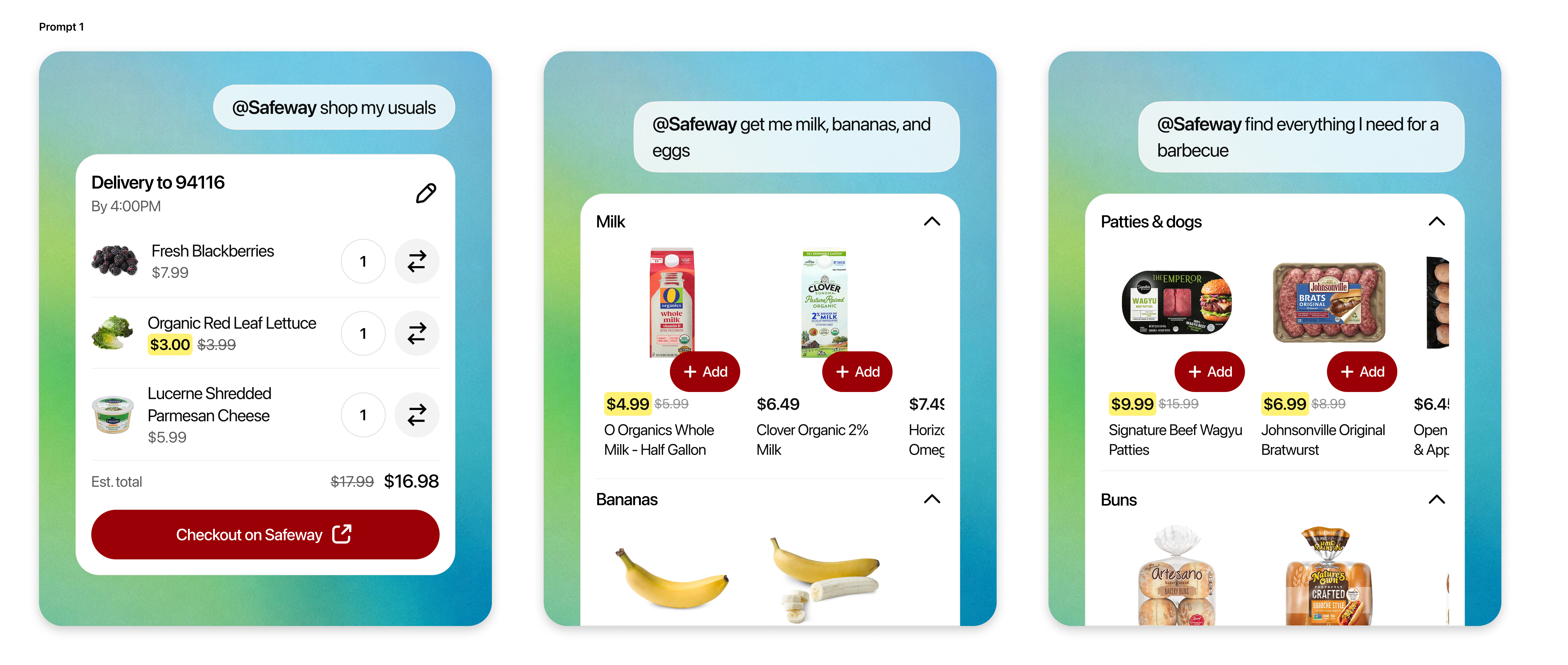
For the last two years, agentic commerce has lived mostly in conference keynotes and vendor pitch decks. Shopify's second quarter of 2026 changes that. The company reported 116 billion dollars in gross merchandise volume, up 32% year over year, and revenue of 3.7 billion dollars, up 34%. Those are not soft, forward-looking numbers. They are booked transactions, and a growing share of them are arriving through AI assistants rather than search bars or app icons.
President Harley Finkelstein called it a monster quarter and said Shopify is probably the most AI-pilled company in the world. That kind of language is easy to write off as earnings-call bravado, but the underlying figures back it up. AI-referred traffic to Shopify storefronts tripled year over year, and AI-generated orders did the same. For CTOs still treating agentic commerce as a 2027 problem, this is the data point that moves the timeline up.
Conversion, not just traffic, is the real story
Traffic growth alone would be a marketing footnote. What makes this quarter notable is conversion. Shopify reported that new buyers arriving through AI channels convert at twice the rate of buyers arriving through other channels. Many retail technology leaders had assumed the reverse would happen, expecting AI-referred shoppers to browse without buying, comparison-shopping their way across a dozen tabs opened by an agent rather than committing to a single retailer. The actual conversion data undercuts that assumption directly, and it is the single most useful number in the entire earnings report for anyone deciding how much engineering budget to devote to agent-facing infrastructure this year.
Instead, when an AI assistant has already done the filtering, narrowing, and comparison work before the shopper lands on a product page, the visit that results is a high-intent one. That has direct implications for how CTOs think about funnel metrics. If AI referral conversion consistently outperforms organic and paid, the marginal dollar spent on making a catalog machine-readable may now outperform the marginal dollar spent on traditional SEO or paid search.
Sidekick shows where the labor savings actually land
The consumer-facing numbers get the headlines, but the merchant-facing ones matter more for anyone deciding where to invest engineering time. Shopify's Sidekick assistant handled 34 million merchant conversations in the quarter, a 3.6x increase in daily active merchant usage year over year. Merchants used it to generate 36,000 custom apps in Q2, up from 12,000 in Q1, a threefold jump in a single quarter that shows the tool moving well past novelty use into everyday operational work.
That trajectory tells CTOs something concrete about where AI value accrues first inside a commerce stack. The bulk of it is landing in the unglamorous work of app scaffolding, storefront customization, and operational tooling that used to require a developer ticket and a multi-day turnaround. A platform-level AI assistant absorbing that work at scale changes the build-vs-buy calculus for in-house tooling teams immediately, and it argues for revisiting that calculus at the current budget cycle rather than waiting for the next one.
The long tail is where AI discovery actually helps
One of the more counterintuitive figures from the quarter is that 75% of AI-attributed purchases came from outside Shopify's top 100 product categories. Conventional wisdom held that AI shopping assistants would reinforce winner-take-most dynamics, funneling traffic toward the same bestsellers that already dominate paid search and marketplace rankings. The data shows a different pattern taking hold instead, with AI-driven discovery pulling meaningful volume toward products that would otherwise sit several pages deep in a traditional search result, invisible to most shoppers browsing the normal way.
AI assistants appear to be doing genuine product discovery work, surfacing niche and long-tail items that a shopper would never have found through a conventional search box. For merchants and the CTOs who run their commerce infrastructure, this argues for treating product data completeness as a top priority alongside bestseller optimization, rather than as a lower-tier housekeeping task. A poorly described SKU buried on page nine of a category is exactly the kind of item an AI agent can now surface, provided the underlying data is structured well enough for a model to parse it and confident enough to recommend it to a shopper who is trusting the agent's judgment.
What this means for the build vs buy decision
CFO Jeff Hoffmeister noted Shopify now holds more than 14% of US ecommerce, and Shopify Payments penetration reached 68% of GMV. Scale like that lets Shopify absorb the cost of building agent integrations, protocol support, and AI discovery infrastructure once and distribute it across millions of merchants, which is precisely the economic argument for buying commerce infrastructure rather than building it in-house right now, when the tooling itself is still evolving month to month.
A retailer running a custom-built commerce stack has to replicate all of this itself: structured feeds for AI crawlers, conversation handling for agents, and conversion tracking that can attribute an order to an AI referral in the first place. Shopify's quarter is a signal that the platforms doing this work at scale are pulling ahead fast, and the cost of staying independent keeps rising every quarter this trend continues, especially for teams that would otherwise need to hire specialists just to keep pace with protocol changes.
The roadmap implication
A custom commerce stack remains a viable choice for retailers with the engineering depth to support it. What belongs on that roadmap this year, rather than next, is agent readiness: clean structured data, machine-parseable product descriptions, and support for emerging commerce protocols that AI shopping assistants rely on to parse a catalog. Shopify's numbers are the clearest evidence yet that this work has already started paying off for the merchants who prioritized it early.
For a CTO weighing where to spend the next engineering sprint, the Q2 data argues for a specific bet: fund the unglamorous plumbing, feed formats, metadata, agent-facing APIs, ahead of funding another customer-facing AI chatbot. The traffic is already showing up, and it is converting at twice the normal rate. The remaining question for most retail technology leaders is simply whether their own catalog is legible enough for the agents that are already bringing that traffic to the door.