A September launch stopped days before the bell
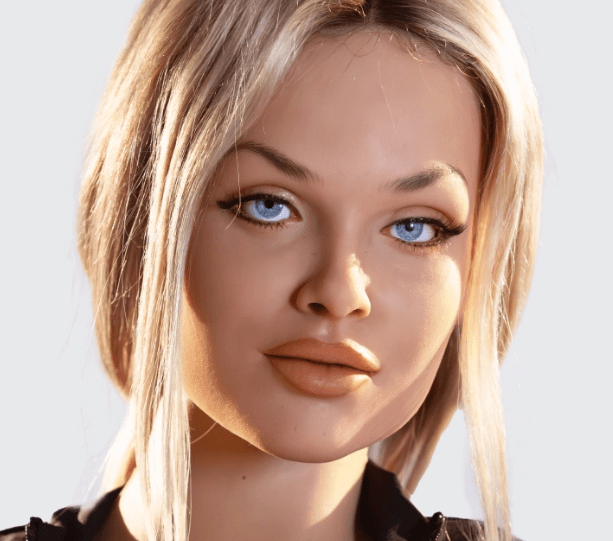
Salamanca City Central School District, a small system in western New York, has paused its plan to put a humanoid robot into high school classrooms this fall. The district confirmed around July 24, 2026 that it is holding the Realbotix pilot while it works through enhanced student data privacy agreements. The robot, a $57,000 unit named Sally, was scheduled to enter 11th and 12th grade coding, robotics and AI classes at Salamanca High School in September, with a planned expansion to roughly 500 students.
The timing matters because this was not a distant proposal. The hardware exists, the curriculum was mapped, and the launch date was set. What stopped the rollout was not a technical failure or a budget cut. It was the realization that the agreements governing student data had to be finished and defensible before a machine built to interact with minors could stand in front of a class. That sequencing tells you where the real friction in classroom AI now sits.
The regulator, not the vendor, set the pace
The pause followed concerns raised by the New York State Education Commissioner about placing a humanoid robot in a high school classroom. That intervention is the signal worth reading. A district can sign a purchase order and a vendor can ship a unit, but a state education authority can still slow the whole thing while it asks harder questions about consent, oversight and the handling of student information.
For any leader watching the edtech market, this is a familiar shape from regulated enterprise. The capability arrives first and the compliance framework arrives late, and the gap between them is where deployments stall. Salamanca is a rural district of modest size, yet it now finds itself running the same governance gauntlet that larger institutions face. The commissioner's concern effectively reset the timeline that the district and its vendor had agreed between themselves.
The privacy design was already conservative
The striking part is that Sally was engineered to be low-risk from a data standpoint. The robot runs on a closed school network with no internet access. It has no facial recognition and no recording capability. It is programmed only with district curriculum, and it stands about five feet eight inches with facial expressions and limb movement intended to make instruction more engaging. On paper, this is close to a worst-case-avoidant configuration.
So the hold is instructive precisely because the technical safeguards were already strong. The district still concluded that its formal data privacy agreements were not yet complete enough to proceed. That distinction is the one CIOs should internalize. Engineering controls reduce risk, but they do not substitute for the contractual and regulatory documentation that proves the risk was managed. A closed network is a good start, and a signed agreement is what actually clears the deployment.
A landmark rollout becomes a cautionary sequence
Only weeks earlier, the story ran the other way. In early July the district and Realbotix presented the deployment as a first-of-its-kind US classroom rollout, positioning Salamanca as a national reference point for humanoid robots in education. Realbotix CEO Andrew Kiguel called it 'a landmark moment for AI and humanoid robotics in education.' The framing was ambitious and the publicity was national.
The reversal within the same month is the useful case study. A high-profile launch can invert into a pause with little warning once a regulator engages, and the reputational narrative shifts from pioneer to cautionary tale. Vendors chasing education flagships should note how quickly the story can turn. The technology did not change between the announcement and the hold. The governance readiness did, and that is what the public now remembers.
The district drew a clear line on what the robot is for
Superintendent Mark Beehler was direct about the intended role: 'The Realbotix educational robot will never replace teachers, staff members, or meaningful human interaction.' That statement does real work. It preempts the fear that a district is quietly automating instruction, and it reframes the robot as a curriculum tool inside coding, robotics and AI classes rather than a substitute for the adults in the room.
For technology leaders, the framing is a template worth borrowing. When an AI system touches students or any protected population, the first governance move is to state plainly what the system will and will not do. Beehler's line sets an expectation that survives contact with parents, unions and regulators. Clarity about scope is not a public-relations flourish. It is part of the risk posture that makes an eventual approval easier to defend.
What this signals for classroom AI roadmaps
The leadership takeaway is that data governance and regulatory sign-off now gate classroom AI more tightly than raw capability. Salamanca had the funding, the hardware and a conservative privacy design, and it still could not launch on schedule because the student data privacy agreements and the state's questions were unresolved. Any roadmap that treats compliance as a final formality rather than a gating dependency will hit the same wall, usually at the least convenient moment.
The practical response is to sequence deployments around governance, not around ship dates. Finish the data agreements, secure the regulator's sign-off, and document the scope before the hardware reaches the classroom. Salamanca will likely resume its pilot once the paperwork is complete, and the district's real contribution to the field may be this: it showed that the binding constraint on humanoid AI in schools is the data contract, and the machine waits on the lawyers.