A promotion built on two retirements
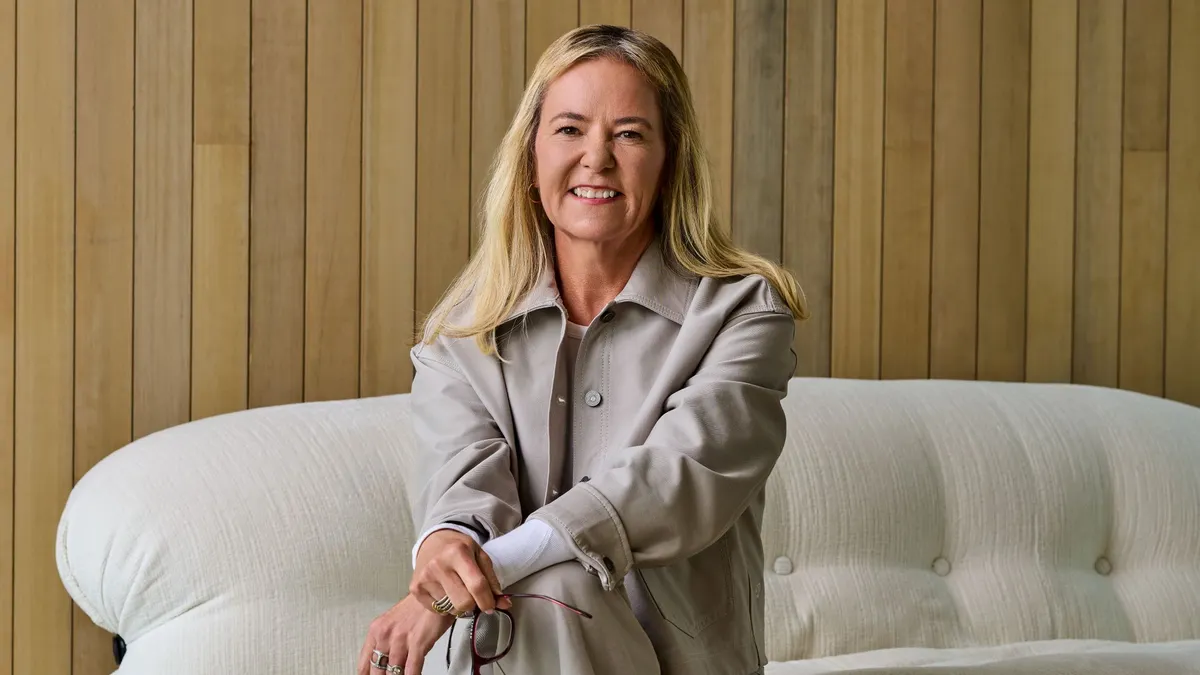
Publix announced on a Wednesday that Laurie Douglas, its senior vice president and chief information officer, will become executive vice president and chief information and digital officer effective January 1, 2027. The company tied the promotion directly to the retirements of two veteran technology executives: Steve Wellslager, vice president of IS technology and security, who retired at the end of August after 38 years, and Renee Kelly, vice president of IS application development, who plans to retire by the end of this year. Those two departures alone represent more than six decades of institutional knowledge leaving the building.
We think the timing matters more than the title. Publix did not wait for a crisis to force a succession decision. It saw two senior technology retirements landing in the same year and used that moment to restructure the leadership layer underneath them, promoting a 30 plus year veteran into a newly expanded IS development, omnichannel, data and AI role and naming four new vice presidents of IS development in the same announcement. That is succession planning done as a single coordinated exercise rather than a series of reactive replacements.
Laurie Douglas's two decades inside Publix
Douglas has been at Publix since 2006, when she joined as senior vice president and CIO. In 2019 she took on leadership of the company's digital, mobile, and omnichannel capabilities in addition to her core IT mandate, which means she has already spent several years running both halves of the job her new title formalizes. That matters for a grocery chain that operates on thin margins and cannot afford a technology leadership transition that disrupts store operations, supply chain systems, or the loyalty and e-commerce platforms customers now expect.
Her two decades of tenure also means Publix avoided the steepest cost of an external CIO search: ramp time. A new hire from outside grocery or retail would need months to understand Publix's store level technology stack, its employee owned culture, and its famously conservative approach to public disclosure. Promoting Douglas instead meant the company could formalize a broader mandate on day one rather than spending a budget cycle getting a new executive up to speed.
Succession as a company wide exercise, not a single hire
What makes this story bigger than one promotion is how Publix handled the rest of its bench at the same time. Beyond technology, the company promoted a successor to a 43-year industrial operations veteran, moved a transportation director into a vice president role, and promoted its vice president of finance to senior vice president. Four separate functions received coordinated succession moves inside a single announcement, which tells us Publix treated this as an enterprise wide bench review rather than a technology department problem alone.
That coordination is the part other enterprises should study. Succession planning usually happens function by function, with HR tracking retirements in one department while another department scrambles when its own senior leader departs unexpectedly. Publix's approach, bundling technology, operations, and finance succession into the same disclosure, suggests the company tracks retirement timelines centrally enough to sequence multiple promotions before any one gap opens. That is a harder operating discipline to build than it sounds, and most enterprises do not have it.
Why digital and IT are merging into one seat
The new title itself, chief information and digital officer, reflects a convergence happening across retail this year: the line between core IT and digital experience is disappearing at companies that compete on omnichannel execution. Publix does not need a CIO who manages infrastructure and a separate chief digital officer who manages the mobile app and loyalty program. It needs one executive who can make tradeoffs across both, because the infrastructure decisions, data platform choices, and cybersecurity posture all directly shape what the digital team can ship.
Grocery retail in particular has little patience for organizational seams between IT and digital. Curbside pickup, delivery routing, loyalty personalization, and in-store technology all depend on the same underlying data and systems that Douglas's core IT team already runs. Separating the two roles would have forced constant negotiation between a CIO protecting system stability and a chief digital officer pushing for faster feature releases. Publix chose to resolve that tension by putting both mandates in one person's hands.
The quiet alternative to an external search
We also think the decision to skip an external search is worth sitting with. Boards and CEOs often default to external hiring for a newly expanded executive role, treating it as a chance to bring in fresh perspective or signal change to investors and analysts. Publix, a private, employee owned company that answers to neither in the same way, had no such pressure. It could optimize purely for continuity, and it did.
That freedom will not exist for every enterprise facing a similar retirement wave. Public companies under investor pressure often feel compelled to make an external statement hire when a senior technology leader retires, even when an internal candidate is objectively better positioned. Publix's move is a useful reminder that continuity has a value of its own, one that is easy to undervalue when the instinct is to treat every leadership change as a chance for reinvention.
What this means for the reader's bench
For CIOs and CTOs reading this from inside their own organizations, the lesson is less about Publix specifically and more about timing. The company knew two senior retirements were coming and built the succession plan around them well before the departures happened, rather than waiting for the vacancies to force a scramble. That kind of forward planning requires HR and the CIO to actually track retirement eligibility across the senior IT bench, which fewer organizations do systematically than should.
If your technology leadership bench includes executives who have been in their roles for two, three, or four decades, Publix's wave of coordinated promotions is worth using as a prompt to ask your own succession question now, not when the first retirement notice lands on your desk. The cost of planning early is a few uncomfortable conversations about who is ready. The cost of planning late is losing institutional knowledge exactly when your systems and customers can least afford the gap.