A Department Store Claims Its Media Rights
On July 19, 2026, Myer launched the Myer Media Network, an in-house advertising business built around its MYER one loyalty program and its omnichannel customer touchpoints. The move places Australia's best-known department store into a category that grocery and marketplace operators pioneered, and it does so with a specific bet: that Myer's traffic is worth advertising dollars because it is high-intent and identifiable. The network integrates onsite placements, offsite media, CRM, and physical channels rather than a single banner slot, which signals that Myer intends a real media business rather than a modest add-on to its ecommerce page.
The strategic logic mirrors what has driven retail media across every category. Retailers control high-intent environments at a moment when marketers face relentless pressure to prove outcomes, and first-party data has grown scarce as third-party cookies erode. A department store sits on exactly the signal advertisers want, namely who is shopping, what they browse, and what they ultimately buy. Converting that signal into media revenue attaches high-margin advertising income to traffic Myer already pays to acquire. For a retailer navigating soft discretionary spending, a media network is one of the few levers that lifts margin without requiring more sales volume.
The Buy Decision at the Center of the Launch
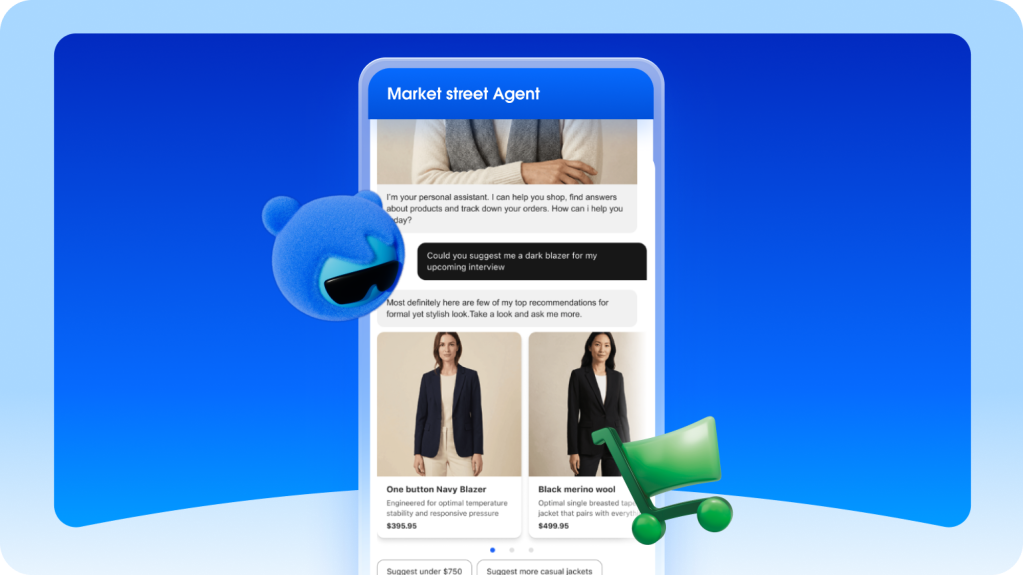
The most instructive part of the announcement is the technology choice. Myer's sponsored-product layer runs on Mirakl Ads, described as an AI-native retail media platform for targeted campaigns. That is a decisive buy on the hardest component of a media network, the ad-serving and auction engine that decides which product gets promoted to which shopper at what price. Building that engine in-house is a multi-year software commitment that few retailers can justify, especially against specialists who amortize the investment across many clients. Myer chose to rent the intelligence and focus its own effort on the asset only it owns, the customer relationship and the loyalty data behind it.
For commerce and technology leaders, this is the central retail media build-versus-buy question rendered concrete. The ad-tech engine is where deep, specialized capability lives, and it is where an in-house build is most likely to underperform a focused vendor. Buying it accelerates time to revenue and imports AI-native ranking that would take years to replicate. The tradeoff is dependency and margin share, since the platform provider takes a cut and holds knowledge Myer might later want internal. The defensible posture is to buy the engine now, keep identity and measurement close, and revisit internalization only if media revenue grows large enough to change the math.
Why AI-Native Ad Serving Matters
The AI-native framing of Mirakl Ads is more than marketing language. Sponsored-product performance hinges on ranking the right item for each shopper in real time, balancing advertiser bids against relevance so the experience stays useful. Legacy retail media platforms often bolted advertising onto search infrastructure that was never designed for it, producing clumsy placements that annoyed shoppers and underdelivered for brands. An engine built around machine learning from the start can weigh intent signals, inventory, and bid economics together, which raises both conversion for advertisers and trust for shoppers. That combination is what lets a network command premium pricing rather than commodity remnant rates.
This is where the quality of the bought technology directly shapes the business outcome. A department store assortment is broad and considered, with shoppers researching across categories before committing, so the ranking problem is genuinely hard. If Mirakl's models surface relevant sponsored products without degrading the browsing experience, Myer protects the shopper trust that is its scarcest asset while monetizing it. If the models feel intrusive, the network erodes the very loyalty it depends on. Leaders evaluating a retail media platform should probe the ranking quality specifically, because the difference between a durable media business and a short-term revenue grab lives in that relevance engine.
The Marketplace and Media Flywheel
Myer explicitly positions the media network as a complement to its marketplace expansion, and the pairing is deliberate. A marketplace brings third-party sellers onto the platform, and those sellers are natural advertisers hungry for visibility against a crowded assortment. The media network then becomes the mechanism sellers use to compete for placement, turning marketplace breadth into advertising demand. Mirakl is well known for marketplace infrastructure, so sourcing the ad layer from the same ecosystem creates a coherent flywheel: more sellers drive more ad spend, which funds better shopper experiences, which attracts more sellers and more traffic. The two businesses reinforce each other.
That flywheel is exactly how marketplaces like Amazon turned advertising into a dominant profit engine, and Myer is following a proven pattern at national scale. The strategic value for commerce leaders is recognizing that marketplace and media are not separate initiatives but two halves of one model. A marketplace without a media layer leaves the most valuable monetization on the table, and a media network without marketplace breadth has too few advertisers to sustain competitive auctions. Building them in sequence, or as Myer is doing in tandem, compounds the returns. The retailers that treat these as an integrated system will out-monetize those that bolt on advertising as an afterthought.
Customer Data Is the Asset, and the Liability
The MYER one loyalty program is the spine of the whole effort, because it converts anonymous browsers into identified members whose behavior can be measured across onsite, CRM, and physical channels. That identity graph is what lets Myer prove outcomes to advertisers, closing the loop from ad exposure to purchase. Without it, the network would be selling impressions on faith, which no serious performance advertiser will pay a premium for. The loyalty data is therefore the true product, and the sponsored-product engine is the mechanism that monetizes it. Retailers weighing a media network should audit their identity base first, because it sets the ceiling on what the business can earn.
The same data that powers the network also concentrates risk. A media business runs on customer information flowing to advertisers and platforms, which raises privacy, consent, and governance obligations that a retailer cannot outsource to its ad-tech vendor. Myer keeps the loyalty relationship, but every campaign that matches members to advertiser audiences must respect the trust that loyalty represents. Mishandling it invites regulatory exposure and, worse, the quiet erosion of member engagement that no advertising revenue can offset. The discipline is to treat data governance as a first-class engineering and compliance function from day one, not a problem to solve after the revenue starts arriving.
What Myer's Playbook Tells Your Team
Myer's launch is a clean template for any retailer with a loyalty base and meaningful traffic. Buy the ad-tech engine from a specialist to reach revenue quickly, pair the media network with a marketplace to manufacture advertiser demand, and keep identity and measurement as the assets you own outright. The sequencing reflects a realistic view of where a retailer's competence ends and a platform's begins. Few merchants can build a competitive AI ranking engine, and fewer still should try when focused vendors will rent them one that improves continuously across a shared client base. The scarce internal capability is the customer relationship, and that is what Myer protected.
The broader signal is that retail media has become a default expectation rather than an edge, which changes the risk calculus for laggards. When department stores, mobility retailers, and grocers all monetize their audiences, the brands that hold out leave margin on the table and cede advertiser relationships that are costly to reclaim later. The right response is a deliberate one: quantify your identified audience, choose a strong platform partner, and stand up governance before scale. Myer bought the engine and kept the data. That division of labor is the pattern most retailers will end up copying, and the ones who move first will set the terms.