A Fuel Retailer Discovers Its Second Business
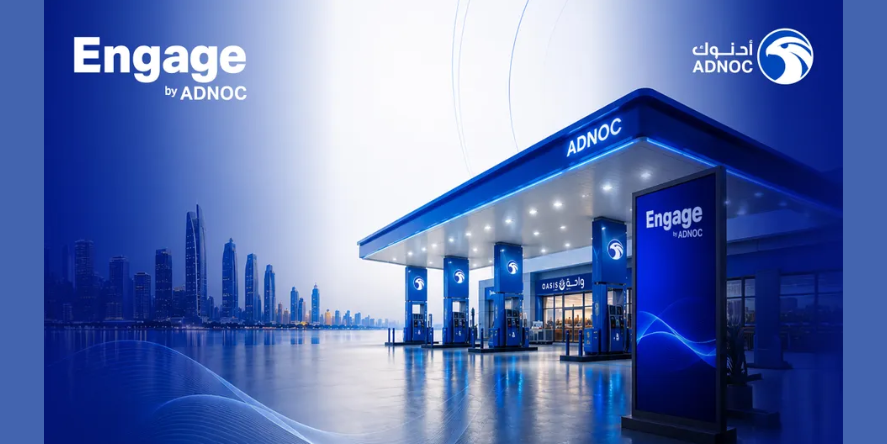
ADNOC Distribution unveiled Engage by ADNOC on July 29, 2026, and called it the first full-funnel retail media network operated by a mobility and convenience retailer in the UAE. The pitch is familiar to anyone who has watched Amazon, Walmart, and Kroger build advertising arms, yet the substrate is different. ADNOC does not sell shelves of branded groceries so much as it sells moments: a driver refueling, grabbing coffee, and paying inside an Oasis store. Two-thirds of UAE fuel transactions run across the ADNOC network, which gives the company a captive, repeatable audience that most digital publishers would envy and that brands struggle to reach with precision.
The timing tracks a broader repricing of retailer first-party data as third-party cookies fade and marketers demand proof of outcomes. Chief Marketing Officer Jacqueline Elboghdadi framed the launch bluntly, saying every marketer needs the ability to turn audience insights into measurable business outcomes. For a fuel and convenience operator, the strategic logic is margin. Advertising revenue carries far higher gross margin than gasoline, and it monetizes traffic the company already pays to acquire. Engage turns a cost center, the physical forecourt and its digital touchpoints, into a source of incremental profit that compounds without proportional capital expenditure.
The Margin Math Behind the Launch
ADNOC put a number on the ambition: Engage is expected to generate roughly USD 25 million in cumulative gross profit over its first five years. That figure sits on top of momentum the company already showed, with non-fuel gross profit growing 14 percent year on year in 2025. For commerce leaders modeling their own retail media case, the ratio matters more than the absolute. Media revenue attaches to existing traffic, so the marginal cost of serving an incremental campaign approaches zero once the platform is built. The result is a profit stream that can offset thin fuel and convenience margins and fund the loyalty program that feeds it.
The scale inputs make the projection legible. ADNOC reports 700,000 daily customers and 250 million annual transactions, backed by 2.7 million ADNOC Rewards members. That transaction volume is the real asset, because it converts anonymous forecourt traffic into identified, measurable reach. Brands can close the loop from ad exposure to a verified purchase, which is the capability that commands premium CPMs. For any retailer weighing a media build, the lesson is that identified transactions, not raw footfall, set the ceiling on what advertisers will pay and how durable the revenue proves to be.
The Data Spine: Loyalty Plus Identity Partners
Engage rests on the ADNOC Rewards program as its identity backbone, then layers partners to activate that data safely. LiveRamp, represented at the launch by Regional Vice President MENA Brands Oliver Klander, supplies the identity resolution and clean-room infrastructure that lets ADNOC match its member base to advertiser audiences without exposing raw customer records. Network International, whose Group Chief Customer and AI Officer Görkem Köseoğlu joined the announcement, brings payments and transaction intelligence. Together they turn loyalty sign-ups and card data into an addressable graph, the connective tissue that separates a real media network from a static in-store signage program.
This is the part retail and commerce leaders should study closely, because customer data governance is where these programs succeed or stall. A clean-room approach keeps first-party data inside ADNOC control while still permitting measurement, which is increasingly a regulatory and trust requirement rather than a nicety. The architecture also determines how much of the value ADNOC keeps versus cedes to partners. Building identity resolution in-house is expensive and slow, so leasing it from LiveRamp accelerates time to revenue. The tradeoff is dependency on external identity graphs whose durability and pricing ADNOC does not fully control.
Build Versus Buy, Written Into the Org Chart
ADNOC did not attempt to stand up an advertising business alone. Publicis Groupe anchors the media operating model, with Middle East and Turkey CEO Bassel Kakish on the launch, while Pyxis, a subsidiary of IHC led by CEO Mukhles Odeh, contributes technology and data science. This is a buy-heavy configuration, and it reflects a pragmatic read of where a fuel retailer's core competence ends. Selling advertising, packaging audiences, and servicing agency demand require muscle that a mobility operator does not naturally possess, so ADNOC rented it and focused internal energy on the asset only it owns: the customer relationship.
For CTOs and commerce leaders, the configuration is a template worth pressure-testing. A partner-led launch reaches revenue faster and de-risks the initial build, yet it embeds long-term margin leakage and hands strategic knowledge to intermediaries. The durable question is which capabilities to internalize over time. Identity, measurement, and the ad-serving decision engine are candidates to bring in-house as volume grows, because they compound and define competitive advantage. Demand generation and agency servicing may stay outsourced indefinitely. The winning operators treat the initial partner stack as scaffolding they progressively replace, not a permanent dependency baked into unit economics.
Full-Funnel Means Physical and Digital Inventory Together
The word ADNOC keeps using is full-funnel, and it is doing real work. Engage combines physical inventory at service stations and Oasis stores with digital channels, so a brand can run awareness on forecourt screens and drive conversion through the app and loyalty messaging. That blend is exactly what makes mobility retail distinctive. The dwell time at a fuel stop is short but the frequency is high, and the convenience purchase happens within meters of the ad. Few media environments compress the distance between exposure and transaction so tightly, which is precisely the attribute performance advertisers pay a premium to capture.
Stitching physical and digital into one measurable funnel is also the hardest engineering problem in the program. It requires reconciling in-store point-of-sale data, app behavior, and loyalty identity into a single view, then attributing outcomes across channels a brand never sees as unified. Retailers that have tried this know the data plumbing, not the ad creative, is where projects stall. ADNOC's reliance on Network International for transaction intelligence and LiveRamp for identity suggests the company understands that attribution is the product. Get that layer right and the inventory sells itself, because advertisers finally see what their spend actually moved.
What Engage Signals for Your Roadmap
Engage is a signal that retail media has escaped the grocery and marketplace categories where it was born and is now viable for any operator with frequent, identified customer contact. Mobility, quick-service, pharmacy, and specialty retail all share the ingredients ADNOC exploited: repeat visits, a loyalty program, and payment data. If your business touches customers often and you can identify them, you likely hold unmonetized media inventory. The strategic risk has shifted. The live question is whether a competitor monetizes the same audience first and locks up the advertiser relationships that are expensive to dislodge later.
The practical takeaway is sequencing. ADNOC started with the data asset it already owned, projected a concrete five-year profit number to discipline the effort, and leased the capabilities it lacked. Commerce and technology leaders can copy that order: quantify your identified-transaction base, model the margin, then decide deliberately which pieces to build and which to buy. Treat identity and measurement as strategic and everything else as negotiable. The organizations that win retail media will be those that keep the customer relationship and the attribution engine close while resisting the temptation to build the whole stack from scratch.