Two seats filled, two still open
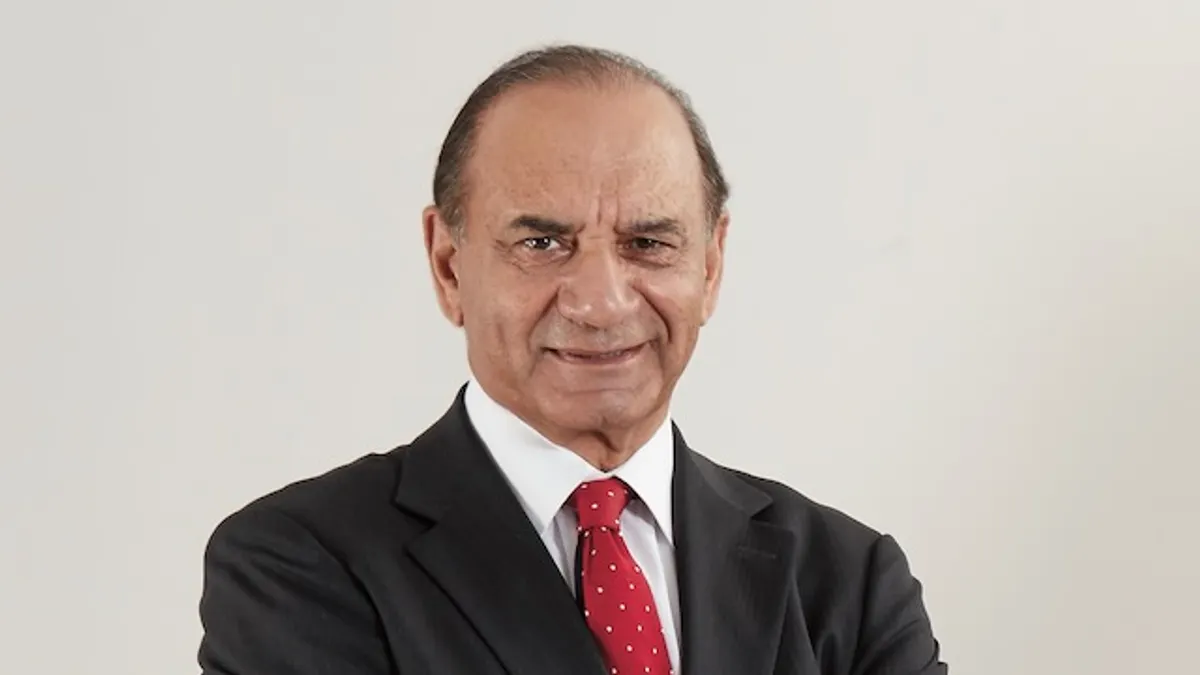
Lululemon announced two executive hires this week as CEO Heidi O'Neill continues rebuilding the company's leadership bench during an ongoing turnaround. Ben Hallam, most recently senior vice president of marketing at Four Seasons Hotels and Resorts, becomes chief brand officer and joined the senior leadership team this week, reporting directly to O'Neill. Emily Sunderland, a managing director at Boston Consulting Group with activewear and specialty retail experience, becomes chief strategy officer starting November 23, reporting instead to chief financial officer Meghan Frank rather than to O'Neill directly.
That fills two of the four C-suite vacancies O'Neill has been working through since taking the top job. The other two, chief technology officer and chief communications officer, remain open with no named timeline for filling either one. The technology seat has been vacant since Ranju Das, who held the combined chief AI and technology officer title, exited the company. The communications seat opened separately when Bill Chandler left, meaning Lululemon has been running without a dedicated technology or communications chief for some time now.
The brand hire borrows hospitality discipline
Hallam's remit covers marketing, store experience, community, partnerships, and social impact, areas where his hospitality background at Four Seasons, Airbnb, and Shangri-La Group is a logical fit for what Lululemon is trying to fix. Luxury hospitality brands run on consistency of guest experience across thousands of touchpoints and markets, which is close to the problem Lululemon needs solved across its global store fleet and digital channels as it tries to reestablish premium positioning against faster-growing competitors.
O'Neill called Hallam's combination of creative vision and commercial discipline central to the turnaround, and said his ability to translate brand strategy into guest experience will matter more than conventional retail marketing experience alone. He will work closely with the product team now led by former Athleta CEO Maggie Gauger, who joined in October, as well as with commercial functions and regional leaders, making his hire one of the connective roles meant to bind the rest of O'Neill's new bench together.
The strategy hire brings a consulting lens to growth
Sunderland's job is to identify growth opportunities and build Lululemon's longer-range plans, replacing Rachel Acheson, who left shortly before O'Neill became CEO. Her Boston Consulting Group background in activewear and specialty retail gives her direct category experience rather than generalist consulting exposure, which matters for a company trying to defend share against Alo Yoga, Vuori, and a growing field of activewear-adjacent entrants chasing the same customer.
Reporting to the CFO rather than to the CEO directly is notable and worth sitting with for a moment. It puts strategy formally inside the finance organization's discipline on capital allocation, rather than treating it as a brand or product function answerable only to the chief executive. For a turnaround board, that reporting line is itself a statement about where growth decisions will ultimately be adjudicated, and it is a structure other retail boards resetting strategy functions should take note of.
The seat that matters most to us is still empty
Lululemon is rebuilding brand, product, strategy, and operations leadership in parallel, hiring or restructuring four separate executive functions within a matter of weeks, but it has not yet named a replacement for Ranju Das in technology. That is the seat enterprise technology leaders should be watching most closely out of everything in this announcement, because it sat at the intersection of AI and technology, exactly the combination most retailers are racing to staff right now as board-level AI scrutiny intensifies.
A vacancy this long at a company actively reshaping the rest of its leadership bench is unusual and worth questioning rather than taking at face value. Either Lululemon's board is being unusually selective about who runs AI and technology during a turnaround, which would argue for patience over speed in how the market should read the delay, or technology genuinely has not risen to the top of the sequencing list yet, which would argue for a less charitable reading entirely.
A pattern: O'Neill is rebuilding from product outward
Lay the hires end to end and a clear sequence appears. October brought Maggie Gauger as chief product officer and Walmart executive Joseph Godsey as chief operating officer, both landing before this week's brand and strategy appointments. O'Neill also split brand and product leadership into two distinct C-suite roles rather than consolidating them under one executive the way her predecessor had, and added Tara Poseley, who led product from 2013 to 2015 and knows the company's merchandising history firsthand, to the board for institutional continuity.
Product, operations, brand, and strategy have all now been staffed or restructured before technology has been touched at all. That ordering suggests O'Neill's theory of the turnaround starts with what Lululemon sells and how it operates on the ground, and treats the technology stack as something to rebuild only once the business strategy underneath it is settled, rather than hiring a technology chief first and asking them to build a roadmap against assumptions that might still change.
What the vacancy signals about the search itself
Chief AI and technology officer is a harder role to fill correctly than it was even two years ago, because boards now expect that person to own both legacy retail systems and an AI roadmap that investors are asking pointed questions about on every single earnings call. That combination raises the bar for candidates considerably and lengthens searches across the entire retail industry, not just at Lululemon specifically.
It also raises the stakes of getting the hire wrong in either direction. A retailer that names a technology chief who cannot credibly speak to generative AI in merchandising, personalization, and inventory risks the same kind of investor questioning that other large retailers have faced after their own recent technology leadership changes this year. O'Neill's board may simply be choosing to wait for the right candidate rather than rushing to fill the seat on a deadline of its own making.
What retail technology leaders should take from this
If you lead technology at a retailer under similar turnaround pressure, Lululemon's sequencing is worth studying closely regardless of how its own search eventually ends. Fixing product, operations, and brand positioning before locking in a permanent technology leader gives that eventual hire a clearer, more stable mandate to execute against, rather than asking them to build a multi-year roadmap on top of a business strategy that is still actively in flux underneath them.
The risk, of course, is the opposite failure: technology debt and AI initiatives quietly stall while every other function gets rebuilt around them in the meantime. Lululemon still has to answer for its AI and technology leadership gap before this turnaround can honestly be called complete, and how long that seat stays open from here is now a better indicator of the board's real confidence level than almost any other single hire it has made this year.