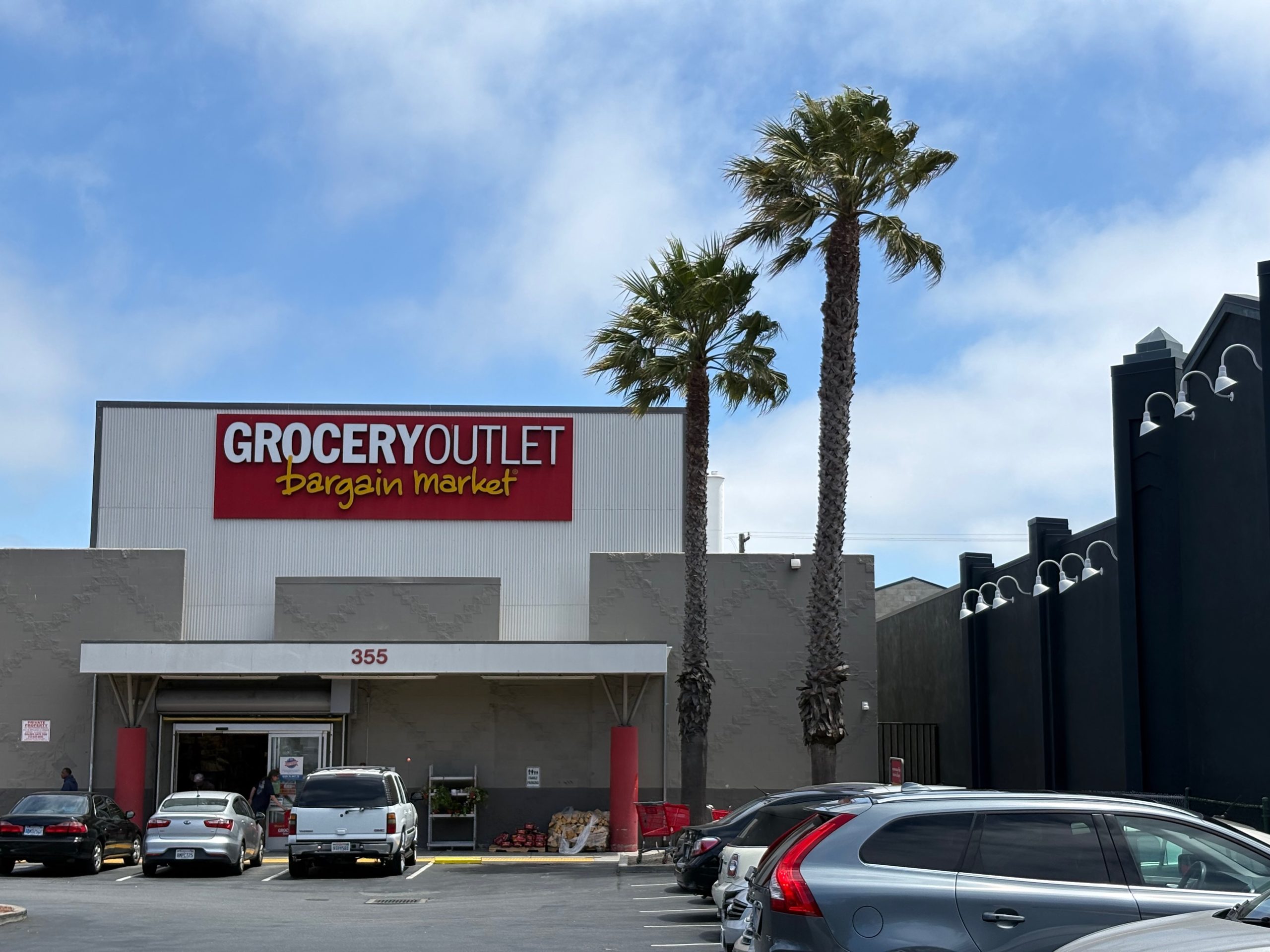
What Grocery Outlet Deployed
Grocery Outlet, the Emeryville based discount grocer, has switched on facial recognition at the entrances of several California stores, and the rollout tells retail technology leaders where loss prevention is heading. Signage confirms the software at four San Francisco locations, in the Mission, Portola, Bayview, and Richmond districts, with additional installations reported in Pleasant Hill and Concord. The company operates five stores in San Francisco alone. The vendor is SAFR, a facial recognition unit tied to RealNetworks, whose SAFR Guard product scans the faces of everyone who walks through the door. For a chain built on thin margins and shrink sensitivity, biometric screening at the threshold reads as an operational bet on deterrence.
The move lands in a charged moment for retail surveillance. Shrink and organized retail crime have pushed grocers toward aggressive countermeasures, and biometric identification promises to flag repeat offenders before they reach the shelves. Grocery Outlet frames the technology as a safety measure for shoppers and workers. The rollout also arrives with real scrutiny, because scanning every customer to catch a handful of flagged individuals raises questions that a CTO or CIO signing the contract will own. The vendor relationship, the data retention terms, and the escalation workflow all become the retailer's responsibility once the cameras go live, and regulators and civil liberties groups are already watching how this specific deployment behaves.
How SAFR Guard Works
SAFR Guard captures a facial image at the entrance and compares it against a watchlist, a database of people previously identified as causing harm through theft, fraud, violence, or harassment. When the system finds a match, it sends an alert to store management, often to a phone, so staff can respond before an incident unfolds. Images that produce no match are deleted immediately, according to the vendor. SAFR also states that it does not share information with law enforcement except under a court order or subpoena. Charisse Jacques, president of SAFR, said the company is here strictly to help retailers create safer environments for their customers and their workers, and described the approach as targeted deployment.
The watchlist model concentrates risk in a single design decision: who gets added, and on what evidence. A flagged identity built from security footage and retailer supplied data carries no due process, and a false entry can follow a shopper across every store running the same system. For a retail technology team, the governance surface is large. It includes the criteria for adding a face, the audit trail for removals, the accuracy of the underlying matching model, and the human review step between an alert and any action against a customer. Each of those choices sits inside the retailer's liability, and each becomes discoverable if a wrongful detention or discrimination claim reaches a courtroom.
The Legal Gray Zone
California banned facial recognition for government agencies in 2019, and that ban does not reach private retailers, which is why Grocery Outlet can deploy the technology without state approval. The California Consumer Privacy Act gives shoppers a right to opt out of biometric data sharing, but the mechanism requires them to contact the company proactively, a step almost no grocery customer will take at the door. The result is a permissive environment where the retailer, and by extension its technology leadership, sets the effective policy. That freedom is exactly what makes the deployment risky, because the absence of a clear statutory guardrail shifts the full weight of judgment onto the company.
Legal advocates have moved quickly. Mario Trujillo, a senior attorney at the Electronic Frontier Foundation, warned that anytime a company collects highly sensitive personal data, there are risks the data will be shared, breached, or later seized by the government. Lee Hepner, an attorney at the American Economic Liberties Project, pointed to the coercive dynamic at a grocery store, noting that some people cannot simply choose to avoid the grocery store. For retail leaders, these are concrete objections. They preview the arguments a plaintiff or a state attorney general will make, and they define the reputational terrain any grocer entering biometric screening now has to cross.
Accuracy and the Rite Aid Precedent
Accuracy is where facial recognition has historically failed retailers. Independent studies have documented disproportionately high misidentification rates for Black women compared with white men, which turns a security tool into a discrimination exposure the moment it flags the wrong person. In a grocery setting, a false match can escalate into a confrontation at the entrance, a refused sale, or a detention, each of which carries legal and brand consequences that dwarf the value of the shrink prevented. The matching threshold, the diversity of the training data, and the review workflow determine whether the system reduces loss or manufactures incidents, and those parameters live with the retailer's technology team.
The precedent is fresh. Rite Aid drew a five year ban on facial recognition from the Federal Trade Commission after repeated misidentification incidents harmed shoppers, a penalty that removed the capability entirely and damaged the brand. That outcome should anchor any build versus buy conversation about biometric loss prevention. A vendor contract can transfer the software, but it cannot transfer the accountability for a wrongful stop, and the FTC has shown it will treat careless deployment as an enforcement matter. Retail leaders evaluating SAFR Guard or any competitor need contractual accuracy commitments, documented bias testing, and an internal review gate before a single alert reaches a store associate.
What Retail Leaders Should Weigh
For technology leaders at grocers and mass retailers, Grocery Outlet's rollout is a live case study in governing sensitive AI at the edge of the store. The decision is rarely whether the software works. It is whether the organization can operate it responsibly at scale across dozens or hundreds of locations, each with different local sentiment and staffing. That means a documented policy for watchlist entries, a retention schedule that survives legal discovery, a redress process for shoppers who believe they were wrongly flagged, and clear signage that meets the spirit of consumer privacy law rather than the bare minimum.
The commercial logic is real, because shrink and organized retail crime impose genuine costs, and deterrence has value. The governance cost is equally real, and it compounds with every store added. Our read is that biometric screening will spread across grocery over the next year, driven by margin pressure and vendor availability, and that the retailers who avoid a Rite Aid style reversal will be the ones who treated the technology as a regulated capability from day one. Facial recognition at the door is now a board level question about risk appetite, vendor accountability, and brand trust, and the retailers deploying it are answering that question in public.