The scale of the commitment
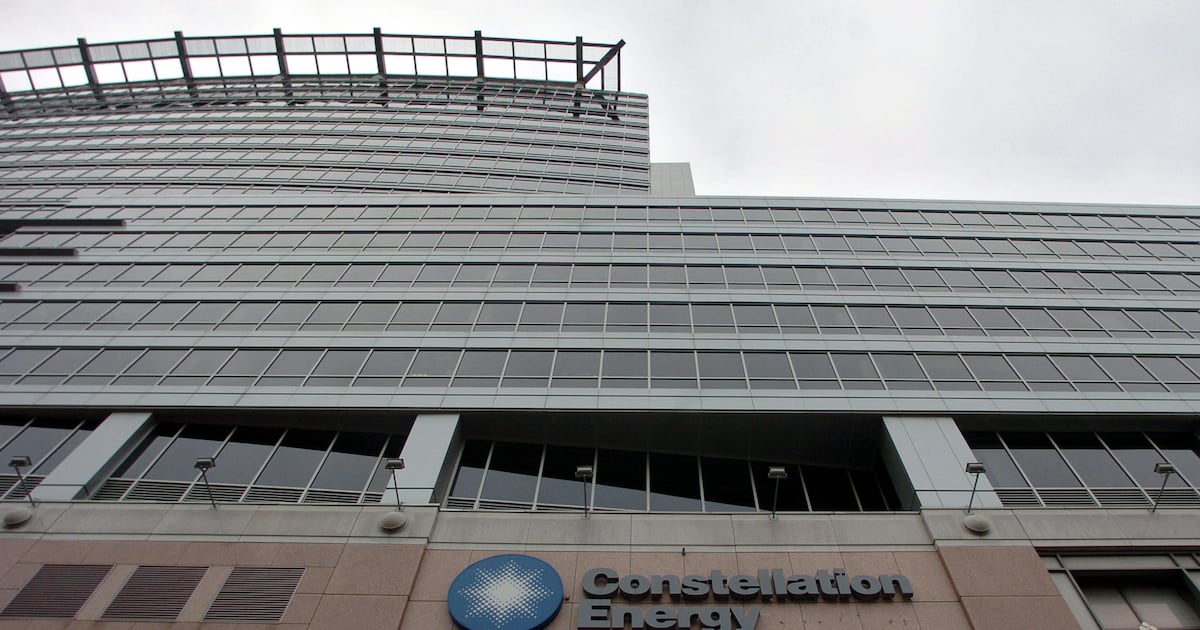
Google has contracted for 3,590 megawatts of electricity from Constellation Energy inside PJM, the largest power grid in the United States and one that already runs tight on reserve margin. About a quarter of that supply is new nuclear capacity, created by physically uprating existing reactors rather than building new ones from scratch. Constellation says it will invest more than 4.3 billion dollars across its fleet to deliver the extra output, spreading the work across 11 nuclear units in Illinois, Pennsylvania, and New Jersey.
For an industry used to measuring data center power in tens of megawatts, a single contract approaching 3.6 gigawatts is a reminder of how far the unit of account has moved. That is enough capacity to power roughly three million homes, committed to one company's compute buildout rather than the grid at large. It also puts a number on what had been an abstract worry among utility planners: that AI demand could absorb entire categories of generation that used to serve the general public.
Two deals stapled into one
The agreement has two distinct parts, and the difference matters for anyone trying to model how fast this capacity actually shows up. The first is a 20 year power purchase agreement covering 890 megawatts from multiple Constellation nuclear plants that will be physically uprated to produce more electricity than they do today. The first of those upgraded units is not expected to deliver power until 2028, which tells you this is a bet on future capacity, not a fix for today's shortage.
The second piece is a 15 year supply agreement for 2,700 megawatts that is not tied to any specific generating source. That structure gives Constellation revenue certainty across its existing fleet rather than committing Google to one plant's output, and it gives Google flexibility to draw power as it becomes available rather than waiting on a single construction timeline. Executives from both companies described the structure as a template they expect to reuse for storage and demand response deals elsewhere in the country.
Why nuclear, why PJM, why now
The timing is not an accident. PJM has proposed that large data center customers either bring their own generation or accept curtailment during periods of peak grid stress, a direct response to years of interconnection queues clogged with AI campus requests. That proposal turns power procurement from a line item into a sequencing problem: a company that cannot show committed generation risks having its buildout schedule dictated by someone else's grid math.
Nuclear fits that problem better than almost any other source available at this scale. It runs around the clock, it does not depend on weather, and existing plants can add capacity through uprates faster than new generation can be permitted and built from the ground up. Google's global head of energy and power, Amanda Peterson Corio, framed the deal as part of meeting the company's growth "responsibly by actively investing in clean, reliable power," language that doubles as a hedge against the carbon accounting questions these buildouts keep raising.
The competitive reflex this triggers
Google is not alone in reaching for nuclear. Microsoft has its own long term nuclear supply arrangement, and Amazon has struck comparable deals near existing plants, which means the three largest cloud providers are now effectively competing for the same finite pool of uprate-able reactors and willing utility partners. Every gigawatt one hyperscaler locks up is a gigawatt a competitor cannot have, at least not from that plant, which turns power procurement into a second front in the capacity war that used to be fought only over chips.
Constellation's chief executive, Joe Dominguez, called the arrangement a "model for how technology companies and the energy industry can work together to responsibly develop the digital economy," a framing utilities are increasingly happy to adopt because it puts customers, not ratepayers, on the hook for new capacity. Expect more utilities to pitch similar structures to Microsoft, Amazon, and Meta as a way of monetizing aging nuclear assets that were otherwise facing retirement.
What this means if you run enterprise infrastructure
If your organization leases capacity from a hyperscaler rather than building its own data centers, this deal is still your problem. Power availability is becoming a gating factor on where and how fast new cloud regions get built, and a provider that has locked in its own generation is one that can credibly promise capacity on a schedule, while a provider still shopping the open market cannot. That distinction belongs in vendor risk assessments the same way geographic redundancy and SLA history already do.
It is also a signal worth tracking for sovereignty and ESG reporting. Deals structured around nuclear uprates let hyperscalers claim clean power credentials without the multi year timelines of new reactor construction, which will show up in sustainability disclosures sooner than most other decarbonization claims cloud providers have made. CIOs who report on vendor emissions as part of their own scope 3 numbers should expect these contracts to start appearing as supporting evidence.
The part that is still unresolved
Nothing here is finished. The uprates require regulatory approval from state utility commissions and federal nuclear regulators, and the first delivery date of 2028 assumes those approvals and the engineering work proceed on schedule, which uprate projects have not always done historically. The merchant supply piece, meanwhile, depends on PJM's capacity market continuing to clear in Constellation's favor, a market that has already drawn political attention over rising prices tied to data center demand.
The honest read for enterprise buyers is that this deal reduces Google's power risk over a five to ten year horizon without eliminating it, and it does nothing for capacity needed in the next twelve months. Anyone planning a multi year cloud infrastructure strategy around promises like this one should ask vendors for interim contingency plans, not just the headline gigawatt number, because the gap between signing a power deal and switching it on is measured in years, not quarters.