A succession that keeps the product roadmap in charge
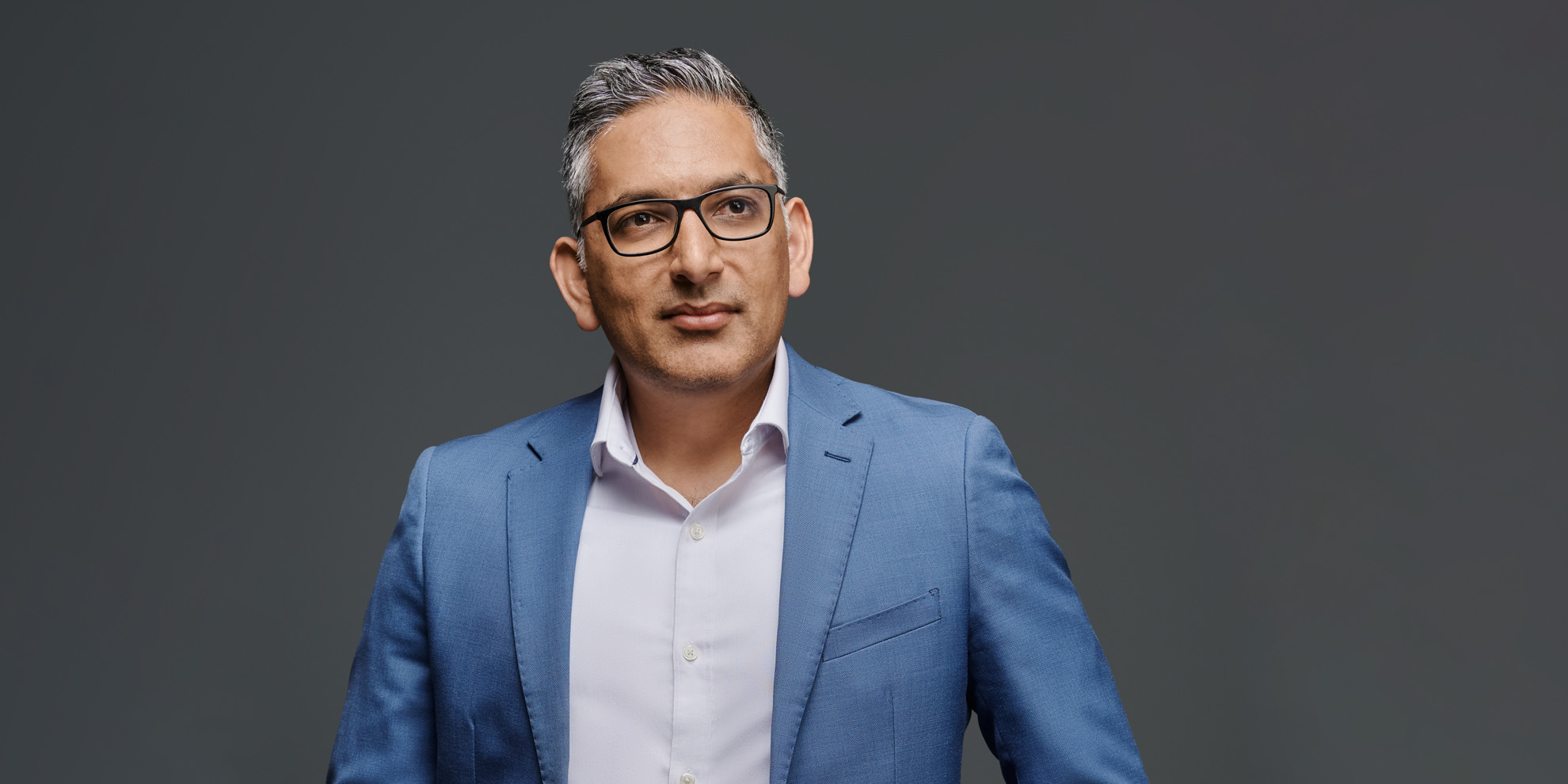
Epicor announced on August 11, 2026 that Vaibhav Vohra will become Chief Executive Officer effective October 1, succeeding Steve Murphy in the role. Board Chair Jeff Hawn framed the choice plainly: 'Vaibhav is a proven leader with deep experience in enterprise software, and I am confident he is the right person to lead Epicor into its next chapter.' What makes this succession notable is not the title change itself but the continuity it represents, since Vohra was already the executive most directly responsible for Epicor's product direction well before taking the top job, giving customers a known quantity rather than an unfamiliar outside hire to evaluate.
Vohra joined Epicor in 2021 as Chief Product Officer and advanced through increasingly senior roles from there, most recently serving as President and Chief Product and Technology Officer, where he owned product strategy, development, and design across the portfolio. Handing the CEO role to the person who has been setting the technology vision, rather than bringing in an outside operator to run the same strategy, is a bet that execution consistency matters more right now than a fresh strategic perspective would.
The 'Cognitive ERP' bet Vohra now owns end to end
Epicor has positioned itself around what it calls Cognitive ERP, a vision built on embedding intelligent agents, automation, and decision-support tools directly into enterprise workflows for the make, move, and sell industries the company focuses on serving. As CEO, Vohra now owns both the strategic direction of that vision and the operational responsibility for actually delivering it, a combination that removes the usual friction between a product organization's roadmap and a CEO's separate commercial priorities.
Vohra's own statement leaned into that framing directly and without hedging: 'I am honored to lead Epicor as we enter a new era of transformation across enterprise software.' For customers and prospects evaluating the vendor, the practical read is that Cognitive ERP is not a marketing layer bolted onto a company run by executives with other, competing priorities, it is the stated strategy of the person now running the entire company from the top.
What Vohra's background signals about execution style
Before Epicor, Vohra held leadership positions at SAP, where he built and scaled technology businesses inside one of the largest ERP vendors in the world, and at Gecko Robotics, an industrial inspection and asset-intelligence company with a very different, operational-technology-heavy customer base than a typical enterprise software firm. That combination, large-scale enterprise software discipline plus hands-on industrial-technology exposure, maps closely onto Epicor's own customer base of manufacturing, distribution, and supply-chain focused companies that rarely fit neatly into a generic horizontal ERP sales pitch.
For CIOs and technology buyers at mid-market manufacturers and distributors, that background is a relevant data point independent of the CEO title change itself. A product leader who has actually worked inside industrial operating environments is more likely to ship agentic ERP features that reflect real shop-floor and warehouse constraints, rather than features designed primarily around the assumptions of a generic enterprise-software buyer sitting in an office far from the operations the software is meant to run.
The financial base and what it implies about pressure
Under Steve Murphy's leadership, Epicor surpassed $1 billion in annual recurring revenue, a milestone that gives Vohra a durable, already-profitable base to build from rather than a turnaround situation he needs to stabilize first before anything else. Epicor has more than 50 years of history serving supply-chain focused sectors and roughly 4,000 employees, operating out of Austin, Texas, scale that gives a new CEO room to invest in a multi-year AI roadmap without the same near-term survival pressure a smaller or struggling vendor would face.
That financial footing is what makes the internal-succession choice a lower-risk one than it would be at a company under acute performance pressure. Boards tend to bring in outside CEOs specifically when the existing strategy itself needs to be questioned; promoting the strategy's own architect instead signals the board believes Cognitive ERP is already working and simply needs sustained, disciplined execution rather than a rethink from scratch, with revenue already proving the underlying thesis before the leadership handoff even happens.
What this means for buyers evaluating Epicor now
For CIOs currently in an ERP vendor evaluation that includes Epicor, this succession removes a specific category of risk from the calculation: the chance that a new CEO deprioritizes the AI-agent roadmap that may have factored into the evaluation in the first place. Vohra's elevation makes Cognitive ERP the company's committed direction for at least the next several years, which is useful information for anyone weighing a multi-year platform commitment against the durability of the vendor's stated roadmap over that horizon.
It also raises the evaluation bar in a genuinely useful way for prospective buyers. Teams should now hold Epicor to specific delivery timelines against the Cognitive ERP vision, since the person accountable for missing them is also the person who designed the vision, with no organizational distance left to explain away a gap between promise and delivery. That accountability structure is worth raising directly in any active procurement conversation with the vendor's sales and product teams, and worth writing into contract milestones where possible.