The deal that closed
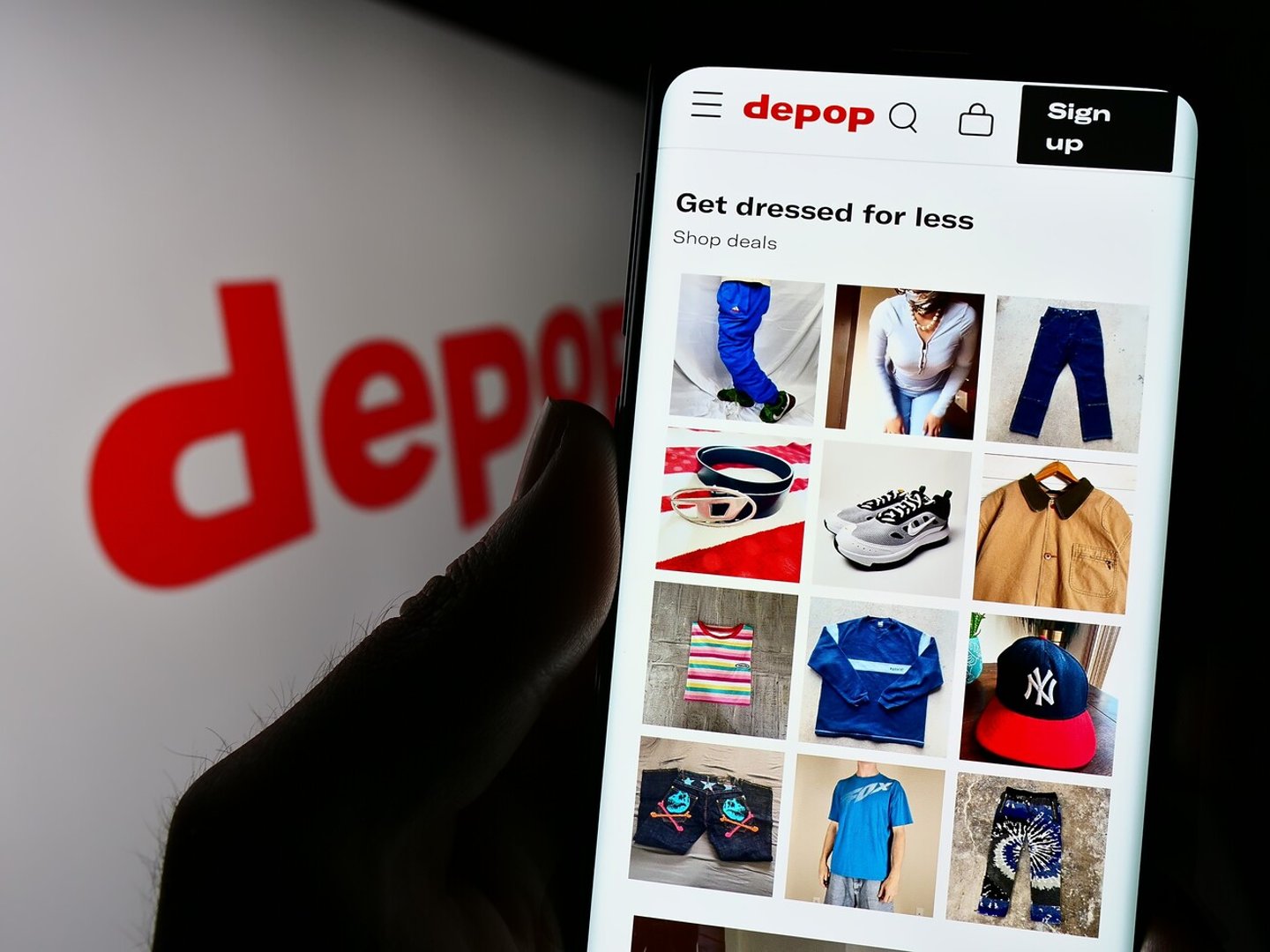
eBay completed its acquisition of Depop from Etsy, a transaction reported at roughly $1.4 billion in overall deal value, of which the company said approximately $1.2 billion was paid in cash. The closing ends a period of speculation about Depop's future after Etsy acquired the resale platform back in 2021 and struggled to make it a meaningful growth driver alongside its core marketplace, eventually concluding that the platform would perform better under a different parent with deeper marketplace infrastructure.
For eBay, the acquisition is a direct move into the resale and secondhand fashion category at a moment when that segment has outgrown much of traditional ecommerce. Rather than build resale capability organically inside its existing marketplace, eBay chose to buy a platform with an established, loyal, and notably younger user base already built around peer-to-peer secondhand fashion, a shortcut that trades acquisition cost for years of slower, riskier organic community building.
Why Depop specifically
The numbers explain the appeal. Depop generated close to $1 billion in annual gross merchandise sales in 2025 and posted nearly 60 percent year-over-year growth in the United States, a rate most legacy marketplaces would struggle to approach. Its user base skews decisively young: nearly 90 percent of its roughly 7 million active buyers are under 34, a demographic eBay's core business has found harder to attract organically despite years of product and marketing investment aimed squarely at younger shoppers.
Depop also brings more than 3 million active sellers, many of them individual resellers rather than commercial merchants, which gives eBay a different supply model than its existing seller base. That peer-to-peer, community-driven structure is part of what made Depop attractive as an acquisition target, since it would have taken eBay years of dedicated investment to cultivate a comparable seller community organically inside its own marketplace. Community-driven resale platforms also tend to generate stronger repeat engagement than transactional marketplaces, because buyers follow individual sellers the way they might follow a creator on social media.
Keeping it separate, on purpose
eBay's stated integration plan is notably conservative for a deal this size. Depop will continue operating as a distinct business, retaining its own brand identity, platform design, and community culture rather than being absorbed into eBay's main site or app. That decision reflects a lesson the industry has learned repeatedly through prior acquisitions: resale-native platforms tend to lose their core users fast when a larger acquirer flattens the experience into its own template and strips away the community feel that built the audience in the first place.
CEO Jamie Iannone put the intent plainly: 'Our goal is to preserve Depop's strong brand while helping the team accelerate growth.' Depop CEO Peter Semple echoed the framing, saying the companies can accelerate growth together while continuing to deliver the distinctive experience Depop's users expect from the platform. Both statements point toward a holding structure that keeps Depop's product and brand decisions largely independent, at least for now, rather than a full operational merger.
Where eBay's infrastructure comes in
The synergy eBay is pursuing runs through the back end rather than the front end. The company said it plans to leverage combined capabilities in shipping, personalization, compliance, and services, areas where a larger, more established marketplace typically has both scale advantages and regulatory infrastructure that a standalone resale platform lacks, particularly around cross-border shipping and payments compliance in markets Depop has not fully built out on its own. Those are exactly the categories of infrastructure spend that rarely show up in a marketing announcement but materially affect margins and reliability at scale.
That is a meaningful distinction for enterprise commerce leaders watching the deal. eBay's stated priority is keeping Depop operating efficiently while preserving its look, feel, and community exactly as users know it today. Expect the near-term changes to show up in fulfillment speed, payments, and trust and safety tooling behind the scenes, well before any visible redesign of the shopping experience itself reaches Depop's app or website, if a front-end redesign happens at all in the near term.
The resale category gets more competitive
The acquisition lands in a resale and secondhand fashion market that has been consolidating and intensifying at the same time. ThredUp, Poshmark, and Vinted have all been building out their own AI-assisted listing, pricing, and discovery tools to compete for the same younger, sustainability-conscious buyer that Depop has cultivated over the past several years. eBay entering the category with a dedicated, well-capitalized asset changes the competitive math for all of them, and likely accelerates the pace at which rivals invest in their own AI tooling for listing, authentication, and pricing.
It also puts pressure on Etsy, which sold Depop after concluding it could not extract enough value from the platform inside its own portfolio. That outcome is itself a data point for other marketplace operators sitting on acquired resale or niche-commerce brands that have not delivered the cross-platform lift their acquirers originally expected when they made the purchase, a group that likely includes several platforms watching this deal closely.
What it signals for commerce technology leaders
For CTOs and commerce technology leaders, the Depop deal is a useful case study in acquisition discipline: buy the audience and the community, keep the brand and the product experience intact, and integrate only the infrastructure layers that do not touch the customer directly. That approach lowers the risk of the most common failure mode in marketplace M&A, which is losing the acquired user base during a heavy-handed integration that prioritizes cost synergies over customer experience, a mistake that has quietly killed the value of more than a few marketplace acquisitions.
It also reinforces that resale and secondhand commerce have moved from niche to strategic priority for major platforms. Any enterprise retailer or brand evaluating its own resale or recommerce strategy now has to account for a bigger, better-funded Depop sitting inside eBay's infrastructure, competing directly for the same younger shoppers most legacy retail brands are trying to win back through their own trade-in and resale programs.