What easyShop and Clearpay launched
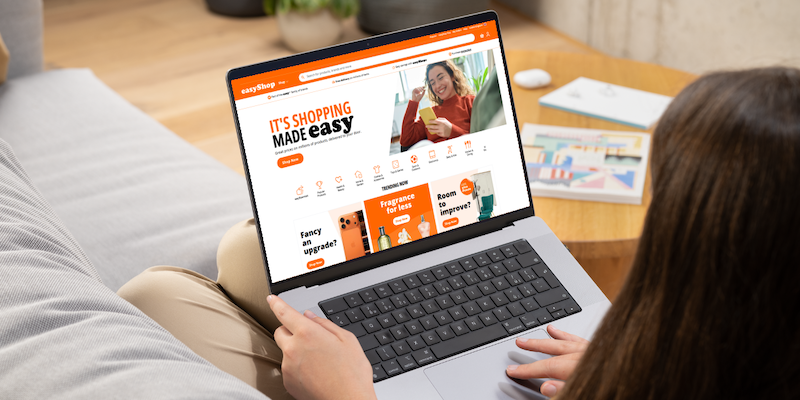
easyShop, the online marketplace built by the company behind easyJet and powered by OnCommerce, added Clearpay as a checkout payment option in early November, timed deliberately with the start of UK holiday shopping season. The integration lets shoppers select Clearpay at checkout for eligible purchases across millions of products on the platform, splitting the cost into four interest-free installments: the first due at purchase and the remaining three every two weeks after. Cas Paton, founder and chief executive of OnCommerce, tied the launch directly to the calendar: "Now that we're into November, Christmas shopping is in full swing."
Paton's framing of the shopper behavior Clearpay is meant to support is specific: shoppers buying gifts over time and taking advantage of deals as they appear are better served by a payment method that spreads cost in smaller, interest-free amounts than by a single lump charge. Rich Bayer, Clearpay's chief executive, added that the company's research shows retailers should prioritize checkout flexibility "especially during the festive season," framing the integration as a competitive necessity for a marketplace entering its first full holiday season.
The adoption numbers behind the timing
The adoption data behind this launch is worth taking seriously. The IPA's 2026 Christmas Consumer Report found that 14 percent of UK consumers plan to use buy now, pay later for holiday shopping this year, up from 9 percent in 2024, a meaningful two-year increase in a payment method that was still broadly unfamiliar to mainstream shoppers only a few years ago. Adoption is notably higher among Millennials, at 22 percent, a cohort that skews toward prime working-age household formation years and therefore represents outsized holiday spending even before accounting for payment method preference.
Clearpay's own separately commissioned research adds a behavioral dimension to the adoption figures: more than nine in ten UK shoppers surveyed said they feel more in control of their spending when they can choose how and when they pay. That self-reported sense of control is a meaningful retention signal for any retailer evaluating BNPL, because it suggests the payment method's appeal comes from a genuine shift in how a growing share of shoppers want to manage discretionary spending during the highest-pressure purchasing period of the year, not purely from deferring cost.
Why BNPL is a checkout decision, not just a finance decision
Retail technology leaders have historically treated buy now, pay later as a finance and risk decision owned by a payments or treasury function, evaluated mainly on fee structure, settlement timing, and default risk exposure. The easyShop launch is a reminder that BNPL has become, in practice, a checkout conversion decision that belongs squarely in the e-commerce and digital experience conversation, because the data increasingly shows that offering the option at the point of purchase changes whether a shopper completes the transaction at all, and not only how they prefer to pay once they have already decided to buy.
That reframing matters for how the decision gets made and by whom. A checkout feature evaluated purely on payments economics will get a different, narrower analysis than one evaluated on its effect on cart abandonment and average order value during peak season, and retailers that still route BNPL decisions exclusively through finance risk assessment processes designed for an earlier era of payment innovation are likely underestimating the commercial upside available from a well-timed rollout like easyShop's.
The risk side CIOs should not skip
None of this should obscure the real risk side of BNPL that CIOs and CFOs need to keep in view alongside the conversion upside. Regulators across Europe and the UK have moved, unevenly but steadily, toward tighter oversight of buy now, pay later products, treating them more like consumer credit than the payments industry originally positioned them. Retailers integrating BNPL at scale need compliance processes that can adapt to a regulatory environment still being actively written, not a static integration treated as finished once the checkout button goes live.
There is also a genuine affordability concern embedded in the adoption numbers themselves: a 14 percent adoption rate for holiday BNPL usage, rising from 9 percent two years earlier, partly reflects real household budget pressure during a period of elevated living costs, alongside a preference shift toward payment flexibility. Retail technology leaders should read rising BNPL adoption as a signal of genuine, measurable shopper demand and as a flag worth watching on their customer base's financial health, both at once.
Why the timing itself is the strategic choice
The timing of easyShop's launch, in the first week of November rather than closer to Black Friday or Cyber Monday, is itself a strategic choice worth noting. Shoppers who plan to spread holiday purchases across several weeks, the exact behavior Cas Paton described as the target use case, need the payment option available from the start of their shopping period, not added mid-season after the first wave of purchases has already gone through a different checkout flow without the installment option.
A retailer that adds BNPL after Black Friday traffic has already peaked captures only the second half of the shopping season's conversion benefit and misses the chance to establish the payment habit with its customer base from the first purchase of the year. easyShop's early-November timing, arriving before peak traffic rather than reacting to early results, reflects a more disciplined read of the holiday shopping calendar than many retailers manage with checkout feature rollouts generally.
Implication for the holiday checkout roadmap
For retail technology leaders still finalizing holiday checkout stacks, the lesson from easyShop is about sequencing as much as the specific feature. Any payment or checkout capability meant to influence holiday conversion needs to be live and tested well before peak traffic arrives, because the operational cost of adding a new payment flow mid-season, with its own fraud rules, reconciliation process, and customer support scripts, is far higher under live holiday load than during the comparatively quiet first week of November.
More broadly, the BNPL adoption data behind this launch signals that checkout payment flexibility has become a genuine competitive variable for 2026 holiday conversion, not a settled, mature category where further investment yields diminishing returns. Retailers still treating their payment options as largely fixed for this season have a real gap to close relative to competitors moving quickly on exactly the kind of integration easyShop just completed, and that gap will show up directly in conversion and average order value data once the season's numbers are in.