An Investor Returns to Operating
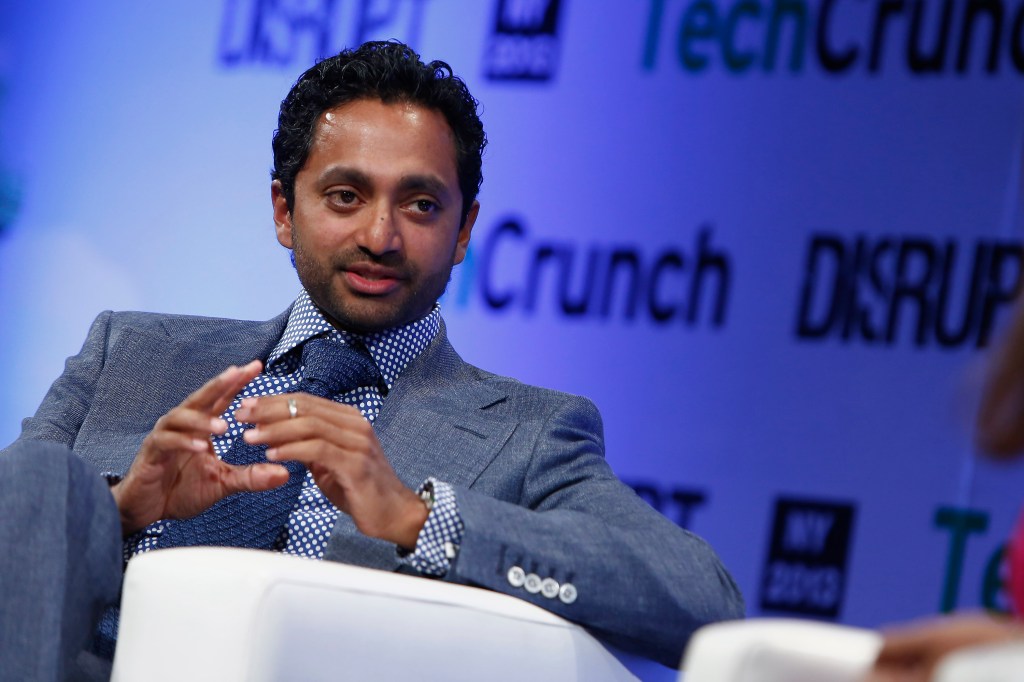
Chamath Palihapitiya has spent years as an investor, podcaster, and public commentator. Now he is going back to building. 8090, the AI native software factory he founded in January 2024, raised a 135 million dollar Series A led by Salesforce Ventures, and Palihapitiya is stepping in as chief executive. "Since I left Facebook, I was waiting for a moment like this to return to a full time operating role," he said, framing the move as a deliberate return rather than a casual side project.
We find the personnel decision as interesting as the funding. A prominent investor taking an operating seat is a meaningful signal of conviction, because it puts reputation and time, not just capital, on the line. It also raises the stakes: Palihapitiya has built a public persona around bold pronouncements, and running an operating company subjects those pronouncements to the unforgiving test of execution.
The Software Factory Concept
The product is what 8090 calls a Software Factory, a governed, multiplayer platform where teams of people and AI agents build and modify enterprise software together under human oversight. The framing is deliberate. This is not autonomous vibe coding where agents run unsupervised, nor is it traditional development. It is an attempt to industrialize software creation with humans firmly in the loop, aimed squarely at regulated industries where accountability is non negotiable.
That positioning is shrewd. The most acute anxiety around AI generated code is trust: can you deploy software that no human fully understands into a bank, an insurer, or a healthcare system? By centering governance and human oversight, 8090 is selling to exactly the buyers who cannot accept a black box. The pitch is that AI accelerates the work without removing the human accountability that regulators and boards demand.
The Proof Points
8090 is not selling on vision alone. The company says it has reverse engineered more than 18 million lines of legacy code, the kind of ossified, poorly documented systems that make modernization so painful and expensive. It also claims to have cut a client's claims processing costs by more than 20 million dollars over four years, a concrete number attached to a real business outcome.
We give real weight to legacy modernization as a use case. It is one of the largest, least glamorous, and most valuable problems in enterprise IT. Trillions of dollars of business logic sit trapped in old systems that companies fear to touch. If 8090 can genuinely accelerate untangling and rebuilding that code with acceptable risk, it is addressing a market whose size is limited mainly by how much modernization enterprises can stomach.
The Backers Tell a Story
The cap table is a who's who. Salesforce Ventures led, signaling strategic interest from a company that lives in enterprise software. Other backers include WndrCo, Craft Ventures, The Production Board, and Launch, alongside angels such as Nikesh Arora and Adam D'Angelo. That is a roster combining enterprise credibility, operating experience, and technical depth.
Salesforce Ventures leading is the detail we would underline. When a strategic investor with deep enterprise software roots writes the lead check, it suggests the model resonates with people who understand the buyers intimately. It also hints at potential distribution and partnership advantages that a purely financial investor could not offer, which matters enormously for a young company trying to sell into cautious regulated enterprises.
The Founder Risk
Palihapitiya's involvement is both the greatest asset and the sharpest risk. His profile brings attention, capital, and access that most founders can only dream of. It also brings scrutiny, and a track record as a capital allocator does not automatically translate into skill at running an operating company through the grind of enterprise sales cycles and product delivery.
"AI should expand access to intelligence, expertise, and execution capacity so more people and organizations can build, create, and compete," he said, offering the mission framing. It is an appealing vision. The harder question is whether a high profile investor can subordinate the pronouncements to the patient, unglamorous work of shipping software that regulated enterprises will actually trust. That is the test the next few years will apply.
The Broader Bet on Regulated AI
8090 is really a wager on a specific thesis: that the largest near term value in enterprise AI lies not in flashy new applications but in modernizing the vast, creaking base of legacy systems that regulated industries cannot easily replace. Banks, insurers, and healthcare organizations run on code written decades ago, and the fear of touching it has calcified entire industries. A tool that safely thaws that code addresses a problem measured in the trillions.
We think the governed, human in the loop framing is what could make this palatable to the exact buyers who most need it and are most risk averse. The failure mode for AI in regulated industries is not insufficient ambition, it is a single high profile incident that sets adoption back years. If 8090 can demonstrate that its factory produces auditable, trustworthy results at scale, it will have solved the trust problem that gates the whole opportunity.
Why It Matters
8090 sits at the intersection of two of the most important questions in enterprise AI: can agents do real production work, and can they do it in environments where trust and compliance are paramount? The governed, human in the loop model is a bet that the answer is yes, but only with the right guardrails. If it works, it points toward how conservative industries actually adopt agentic AI.
We will be watching the customer evidence more than the founder's statements. The claimed 20 million dollar savings and the 18 million lines of reverse engineered code are the kind of proof points that, if they hold up and multiply, would validate the approach. A well funded company with a credible model and a marquee lead investor has earned a look, and now it has to deliver.