A readiness project before a platform decision
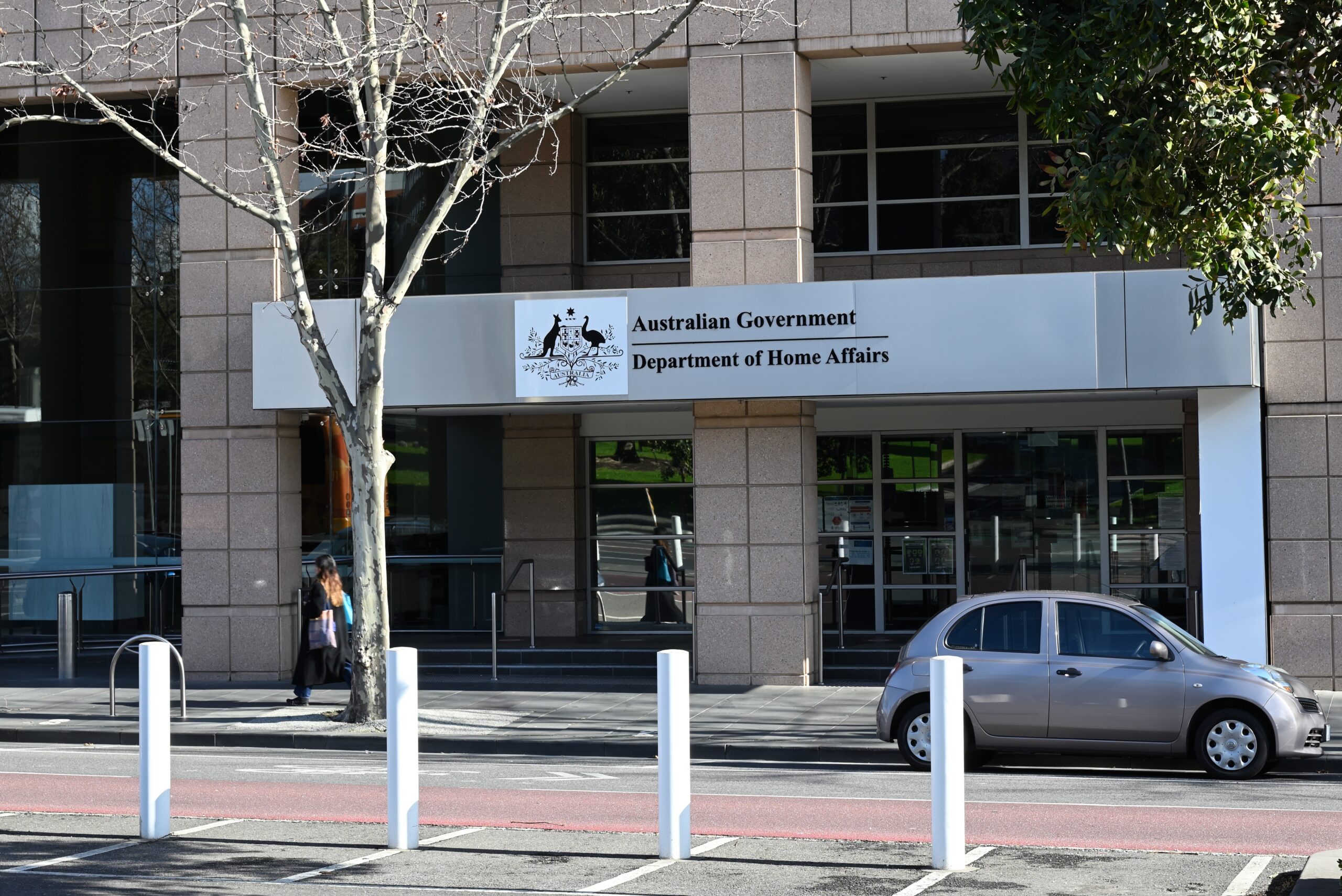
Australia's Department of Home Affairs has started the clock on retiring its SAP ECC6 system, but not by picking a replacement first. The department has committed approximately A$6 million to a one-year readiness project run with consultancy Next Apex, with a department spokesperson stating that decisions on the replacement system will be informed by the readiness project and remain subject to government approval. The target for full replacement is December 2030, more than four years out.
That sequencing, funding an assessment phase before committing to a platform, is a deliberate hedge against the two most common ERP program failures: locking in a vendor before understanding the actual data and process complexity being migrated, and letting an assessment phase run indefinitely without a firm deadline attached. Home Affairs has set both a discovery budget and an outer deadline in the same announcement, which is a more disciplined structure than many enterprise ERP programs manage on their first attempt.
The maintenance gap Home Affairs is choosing to absorb
SAP's mainstream maintenance for ECC6 ends in December 2027, with an optional extended maintenance window available through December 2030. Home Affairs' own replacement target lines up with the outer edge of that extended window, meaning the department will spend up to three years paying premium extended-support pricing on a system it has already announced it is retiring. That is a known cost of a long, careful migration timeline, and the department appears to be accepting it deliberately rather than by drift.
For any enterprise still running SAP ECC on a similar clock, the Home Affairs timeline is a useful reference point. A four-year runway from readiness assessment to full cutover, with an interim period on paid extended support, is a realistic planning horizon for a large, complex ERP replacement, not an aggressive one. Organizations still assuming they can complete a comparable migration inside eighteen months should treat this timeline as a reality check.
Why no platform is mandated yet
S/4HANA, Workday, and ServiceNow are all under consideration as potential replacements, but none has been mandated ahead of the readiness project's findings. That openness reflects Australia's broader public service approach to ERP, which favors agency-level autonomy over a single whole-of-government platform mandate. Individual departments choose systems suited to their own operational needs rather than inheriting a centrally selected standard, a structure that stands in contrast to the single-vendor mandates some national governments have pursued for back-office systems. The tradeoff shows up clearly in this case: Home Affairs gets to weigh platforms against its specific workload rather than a generic government baseline, at the cost of building its own business case from scratch.
That autonomy cuts both ways. It lets Home Affairs choose a platform genuinely fitted to its workload, which spans immigration processing, border security, and citizenship services with very different data sensitivity and integration requirements than a typical back-office ERP estate. But it also means the department carries the full selection and integration risk itself, without the negotiating leverage or shared implementation playbook that a centrally coordinated multi-agency rollout would provide.
What the readiness project actually needs to answer
A one-year, A$6 million readiness engagement for a system as central as Home Affairs' ERP core is a modest budget relative to the eventual replacement cost, which suggests the scope is assessment and data mapping rather than any early implementation work. The real output of a readiness project like this should be a clear-eyed inventory of custom code, integration points, and process dependencies built up over years on ECC6, the kind of technical debt inventory that determines whether a migration takes four years or eight.
Enterprises evaluating their own legacy ERP exit plans should treat this phase as non-negotiable rather than a formality to rush through. Skipping or underfunding the readiness assessment is the single most common reason ERP replacement programs blow past their original timeline and budget. Home Affairs funding it as a distinct, dedicated phase with its own budget line is the right instinct, whatever platform it eventually picks. A department with border security and citizenship processing riding on its ERP core has every incentive to get this step right, and other regulated enterprises carrying similarly high-stakes workloads on aging SAP estates should read the funding structure here as a template, not just the headline deadline.
The lesson for enterprise IT beyond government
Government agencies rarely move fast on IT, but the discipline in this announcement is worth borrowing regardless of sector. Home Affairs is not promising an aggressive timeline it cannot hit, and it is not deferring the hard platform decision indefinitely either. It has bounded the uncertainty with a funded assessment phase and a firm outer deadline, then left the platform choice open until the department actually has the data to make it well.
For CIOs at PE-backed companies under pressure to show fast wins on modernization, that sequencing can be a hard sell internally. But the Levi Strauss ERP consolidation and similar large enterprise programs have shown what happens when platform decisions get made before the underlying complexity is understood: costs and timelines both blow out. A readiness-first approach costs time up front. It tends to cost far less in the years that follow, and it gives the eventual business case for board approval a foundation of real data rather than vendor projections. Home Affairs will spend a year finding out exactly what it is migrating before it commits capital to a specific platform, and that sequencing alone puts it ahead of most enterprise ERP programs at the same stage.