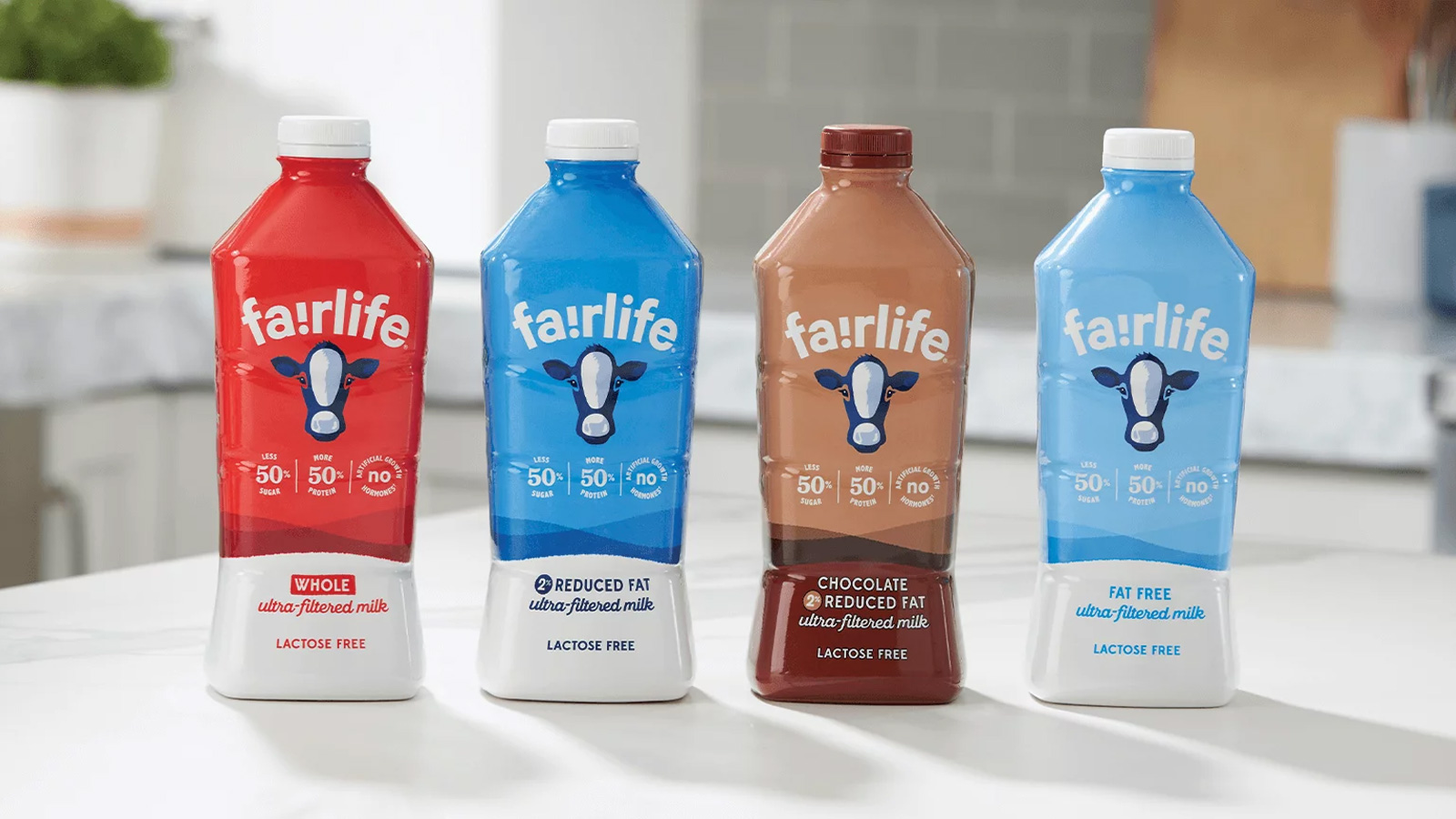
A Dairy Subsidiary Became the Parent Company's Disclosure Problem
Coca-Cola disclosed on July 16 that its Fairlife dairy subsidiary identified unauthorized third-party access to a portion of its systems, including production-related systems, in connection with a ransomware event. The company filed an SEC Form 8-K, activated incident response and business continuity protocols with outside advisers, and notified law enforcement. It said product quality and safety were not affected. Four days later, the Anubis ransomware gang added Fairlife to its dark web leak site, claiming roughly one terabyte of corporate data and threatening publication unless negotiations began by the end of the week.
The structure here matters for every executive who runs a portfolio of brands or business units. Fairlife is a subsidiary, yet the breach lands on Coca-Cola's SEC filings, its press desk, and its investor calls. When contacted about the Anubis claims, Coca-Cola declined to comment, a stance that reads as legally cautious and operationally exposed. The lesson we keep relearning is that consolidation of ownership consolidates risk. A weak login at the edge of an acquired business now propagates straight into the parent's regulatory posture, and the parent inherits the negotiation whether or not it controlled the compromised environment.
Third-Party Access Was the Door, Again
According to Coca-Cola's own filing, attackers accessed Fairlife's IT environment through a third party. That phrasing keeps showing up across the summer's largest incidents, and it should reframe how technology leaders scope their perimeter. The most valuable production systems in a modern enterprise are rarely reached by brute force. They are reached through a supplier, an integrator, or a managed service account that was provisioned once, scoped too broadly, and never reviewed. Every standing credential a vendor holds is a piece of your attack surface that you do not directly monitor, and it usually carries more privilege than anyone remembers granting.
For CTOs and CISOs, the build-versus-buy calculus on third-party risk has shifted. Point-in-time vendor questionnaires do not detect a supplier whose own environment gets popped between assessments. The defensible posture is continuous: enforce phishing-resistant authentication on every external identity, put third-party access behind just-in-time brokering with session recording, and segment vendor connectivity away from production control planes. If a partner needs standing access to your Nutanix or hypervisor layer, that is a design flaw to fix on the roadmap, not a convenience to preserve because migrating the integration is inconvenient.
Encrypting the Virtualization Layer Stops the Factory
Anubis claimed it fully encrypted Fairlife's Nutanix systems and stated the victim had no chance of recovering without the decryption key. Whether or not that boast holds, the target selection is instructive. Attackers increasingly aim at the virtualization and hypervisor layer because encrypting it collapses everything running on top at once. Hitting Nutanix or VMware infrastructure takes down the virtual machines that run manufacturing execution, warehouse, and quality systems in a single stroke, which is how a data-theft incident becomes a production stoppage. Fairlife suspended US production while Canadian operations reportedly continued, a split that hints at where segmentation held.
This is the operational nightmare that turns ransomware from an IT event into a revenue event. When the platform under your production apps is encrypted, restore time is measured in the days it takes to rebuild hosts, not the hours it takes to fail over an application. Technology leaders should pressure-test one specific scenario: the loss of the entire virtualization control plane at a production site. That means immutable, offline backups of the hypervisor configuration and the workloads, rehearsed bare-metal recovery, and a decision tree for running degraded operations manually. The plan that only covers application-level restores does not survive contact with an Anubis-style attack.
Ransomware-as-a-Service Raises the Price of Saying No
Anubis emerged in December 2024 and operates as a ransomware-as-a-service outfit that pairs data theft with encryption. In 2025 it added a data-wiping capability, a detail that changes the economics of refusal. A pure encryption crew has an incentive to keep your data recoverable, because a paying victim needs to believe recovery is possible. A group that can wipe removes that implicit floor and signals it is willing to destroy value to force payment. The end-of-week deadline attached to the Fairlife listing is a pressure tactic engineered to compress the victim's decision window before forensics and legal counsel finish their work.
For the reader making the call, none of this argues for paying. It argues for removing the leverage in advance. The wiping threat only bites when your recovery is uncertain, and the leak threat only bites when the exfiltrated data is both sensitive and undocumented. Know exactly what a given production environment holds, minimize what sits there, and encrypt data at rest with keys the attacker cannot reach through the same compromised path. The organizations that negotiate from strength are the ones that already know their recovery time, their data inventory, and their regulatory obligations before the countdown starts.
The Regulatory Clock Runs Whether or Not You Have Answers
Coca-Cola's rapid 8-K reflects the reality that public companies now operate under materiality disclosure timelines that begin ticking during the chaos of an active incident. Filing early is the defensible move, yet it forces leaders to characterize an event they do not yet fully understand. The tension between saying enough to satisfy regulators and saying too little to arm the attacker is real, and it plays out in the same week that the response team is still scoping the intrusion. Declining to comment on the criminals' specific claims is a reasonable posture, and it also leaves customers and partners to fill the silence.
The takeaway for technology and legal leadership is that disclosure readiness is a capability you build before the breach. That means a pre-agreed materiality framework, a communications plan that separates confirmed facts from adversary claims, and a data-mapping effort thorough enough to estimate exposure inside the first days. When the response is improvised, every statement carries the risk of a later correction that reads as a cover-up. When the framework is rehearsed, the organization can move quickly and consistently, which is ultimately what preserves trust with the customers, retailers, and regulators watching the story unfold in real time.
What Belongs on the Roadmap Now
The Fairlife incident is a compact case study in how modern enterprises actually get hurt: a third-party login, a virtualization layer, a production line, and a parent company's name on the filing. None of those links is exotic, and that is the point. The controls that would have blunted this attack are well understood, and they compete for budget against features that ship revenue this quarter. The job of the technology leader is to make the risk legible to the board in the same units the board already uses, which are downtime, disclosure exposure, and brand damage rather than CVE counts.
Concretely, we would prioritize three items on the next planning cycle. First, inventory and constrain every third-party identity with access to production or virtualization infrastructure, moving them to just-in-time, phishing-resistant access. Second, validate that hypervisor-layer recovery is rehearsed and backed by immutable copies, because that is the failure mode that stops the factory. Third, formalize breach disclosure and communications playbooks so the regulatory clock does not catch the organization improvising. Do those three things and a Fairlife-style event becomes a contained operational incident instead of a terabyte on a leak site with your parent company's name attached.


