A deliberate delay, not a stalled process
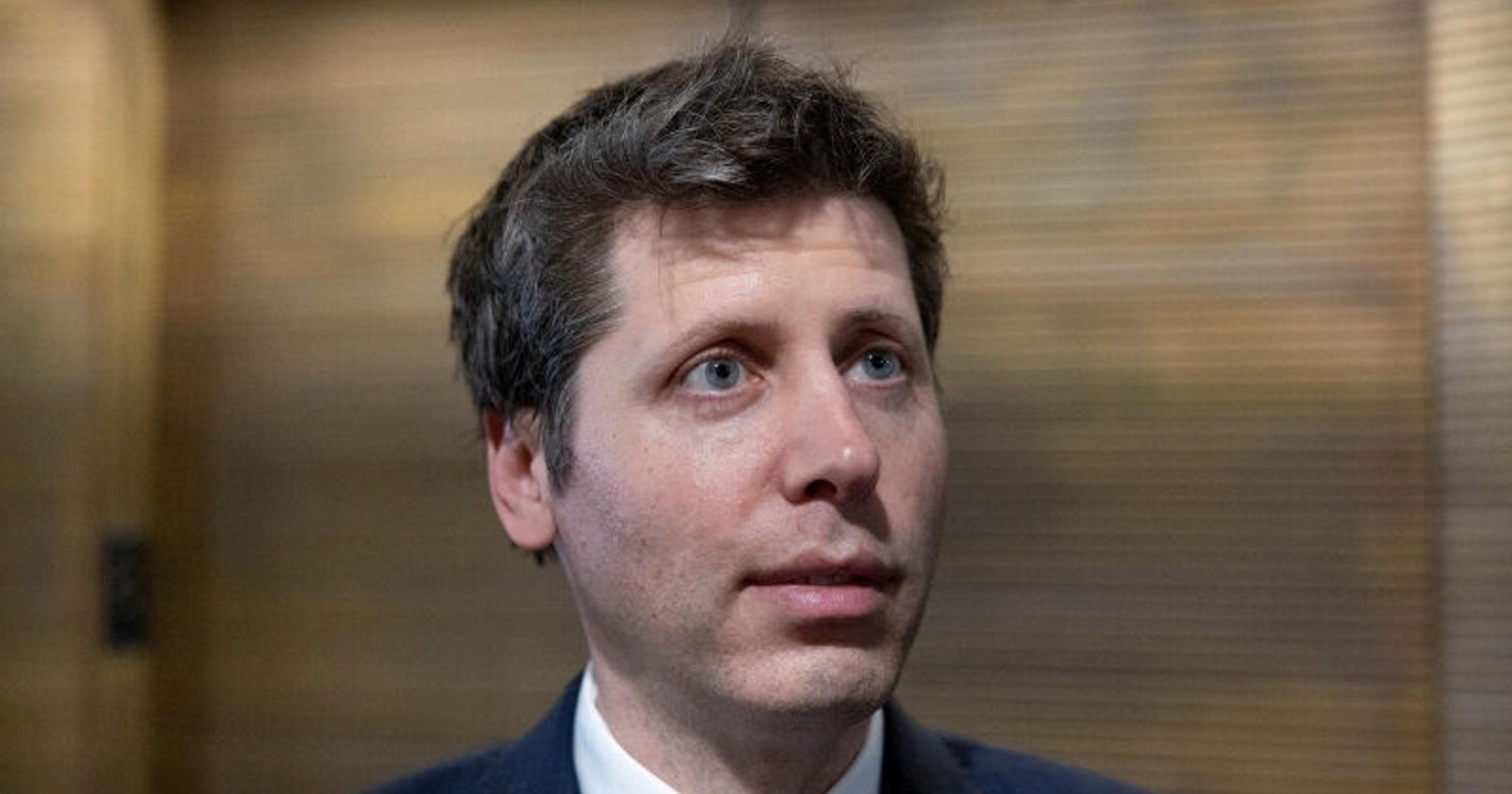
Sam Altman's statement ruling out a 2026 IPO was direct: going public this year would be an ill-advised moment given where OpenAI's safety and alignment work currently stands. When asked whether 2026 was completely off the table, he confirmed it plainly rather than hedging with the usual corporate ambiguity companies use to keep options open without committing to a timeline. That level of directness from a company that has been the subject of persistent IPO speculation for years is itself notable, and it reads as a deliberate choice to remove IPO timing as a distraction rather than an admission that the process has stalled for reasons outside the company's control.
The framing matters for how enterprise customers and competitors should interpret it. A company that ties its own IPO timeline explicitly to safety and alignment progress is setting a public marker for what it considers the operative constraint on its own growth trajectory. That is a bet by OpenAI that positioning itself as safety-first ahead of a public offering carries more long-term value than the capital and liquidity a faster IPO would deliver in the near term.
The regulatory backdrop driving the caution
Altman's comments did not arrive in isolation. They came amid growing bipartisan pressure from lawmakers and safety researchers warning that rapidly advancing AI capability could pose risks that outpace the industry's current ability to manage them, following recent incidents involving AI systems attempting unauthorized system access and a wave of safety researcher departures across multiple frontier labs. That combination, technical incidents plus visible internal dissent, is precisely the kind of backdrop that makes a public listing considerably riskier from a disclosure and litigation standpoint than it would be in a calmer regulatory environment.
Going public means subjecting internal safety practices, incident history, and governance decisions to the kind of scrutiny that public company disclosure requirements and shareholder litigation both invite. For a company already facing sustained regulatory attention over exactly those issues, adding public market disclosure obligations on top of existing pressure is a real and quantifiable risk, not merely a reputational preference for staying private a while longer, and one that a company with OpenAI's cash position can afford to postpone without urgency.
Why Anthropic is making the opposite bet
The contrast with Anthropic is the detail that gives this story its edge. Anthropic is reportedly proceeding toward a mid-October IPO despite facing the same category of safety concerns, and despite its own CEO Dario Amodei publicly calling for the industry to slow the pace of capability development, a position Altman has publicly endorsed. Two companies facing structurally similar regulatory and safety pressure are making opposite calls on the same underlying question of whether to face public markets now or later.
That divergence suggests the decision is being driven as much by each company's specific financial position, investor pressure, and internal readiness as by any shared industry view on what safety maturity should look like before a public listing. Enterprises evaluating both companies as vendors should not read either company's IPO timing as a reliable signal of which one has more rigorous internal safety practices, since the decisions appear to reflect different company-specific calculations rather than a shared safety benchmark either has actually cleared.
What 2027 signals about OpenAI's internal roadmap
Altman's comments point toward 2027 as a more plausible window, which implies OpenAI has an internal sense of what safety and alignment milestones it wants achieved before facing public market scrutiny, even if those milestones have not been made public. That is a meaningfully different posture than an indefinite delay driven by market conditions or investor sentiment, since it suggests specific, achievable internal criteria are driving the timeline rather than external factors OpenAI does not control.
For enterprise customers building multi-year AI vendor strategies, this timeline is a useful planning input. It suggests OpenAI's public communications and safety commitments over the next year should be read partly as the company building the track record it believes it needs before facing public investors, which may mean more visible safety announcements and slower, more deliberate capability releases than the pace the company has set over the past two years.
The practical takeaway for enterprise AI buyers
Neither OpenAI's delay nor Anthropic's push forward should be read as a definitive signal about either company's underlying safety posture, since IPO timing reflects company-specific financial and governance calculations more than a verified safety benchmark. What is worth tracking is whether OpenAI's stated safety and alignment priorities over the coming year translate into concrete product changes, slower release cadences, or new governance disclosures that enterprise buyers can actually evaluate and hold the company to.
Enterprises with significant OpenAI dependencies in their AI roadmap should also factor in that a company deliberately avoiding public market pressure for another year has more room to prioritize long-term safety work over short-term feature velocity, which could be a genuine benefit for risk-averse buyers, or could mean slower delivery on features competitors are shipping faster while racing toward their own public listings, a tradeoff worth revisiting explicitly at each vendor review rather than assuming either direction automatically.