The scope of what is actually being replaced
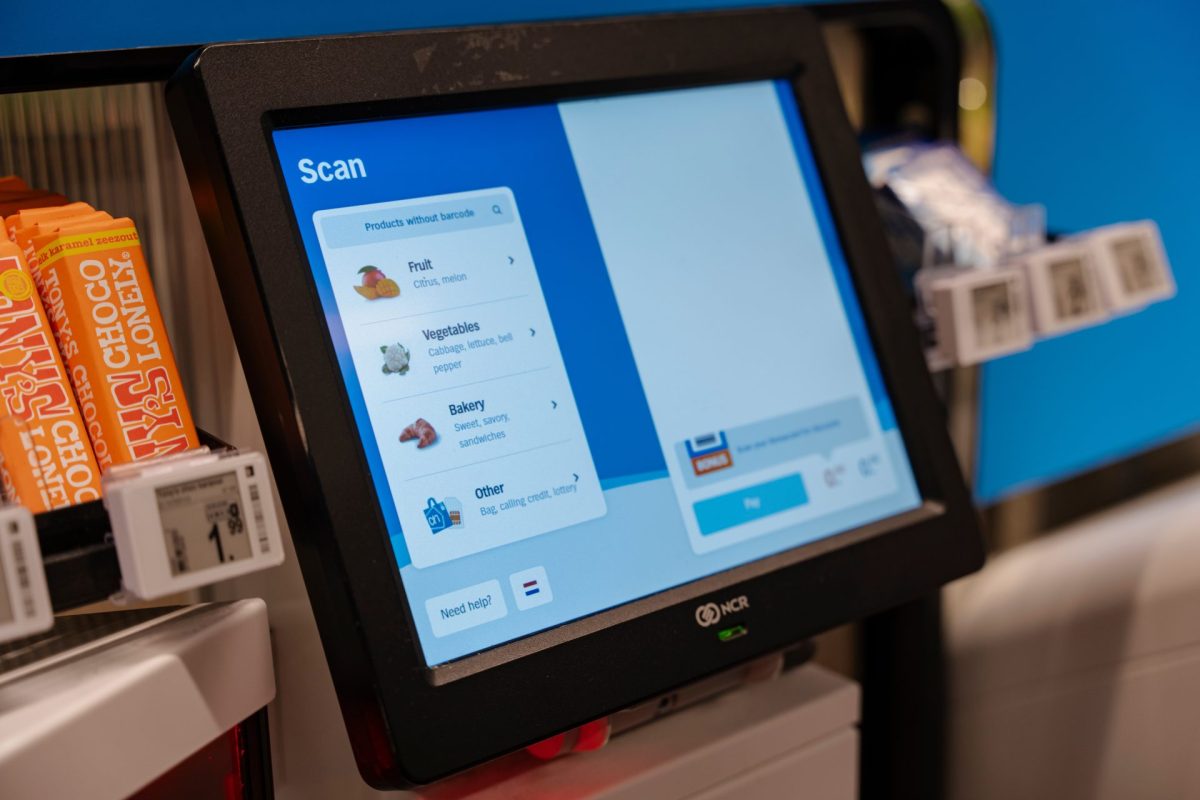
Ahold Delhaize USA, the largest grocery group on the US East Coast serving roughly 26 million omnichannel customers weekly across its Food Lion, Giant Food, The Giant Company, Hannaford, and Stop and Shop banners, selected NCR Voyix's Commerce Platform to modernize point of sale, self checkout, pharmacy, and fuel systems. New point of sale technology is already live in 100 stores, with a multi year rollout planned to extend across the remainder of the company's footprint. NCR Voyix CEO James Kelly called the deployment proof of the role the company's next generation platform can play, a characterization that reflects genuine strategic significance for NCR Voyix given ADUSA's scale.
The breadth of systems being replaced simultaneously, point of sale, self checkout, pharmacy, and fuel, is unusual relative to how most large grocers typically approach infrastructure modernization, which tends to proceed system by system over separate, sequential projects to contain risk. Bundling all four into a single platform transition concentrates both the potential operational benefit, a more consistent customer and associate experience across every transaction type, and the execution risk, since a problem in one system during the transition period has more surface area to affect the broader customer experience than it would in a narrower, single system project.
Why CIO Ann Dozier's framing is the detail worth noting
ADUSA CIO Ann Dozier described the initiative's goal as making it easier for customers to shop with the company's brands, a framing that points toward cross banner consistency as a primary objective rather than simply a hardware refresh justified by aging equipment reaching end of life. That distinction matters for how to interpret this project's ambition: a hardware refresh project is judged primarily on uptime and reliability improvements, while a cross banner consistency project is judged on whether a customer's experience checking out at a Food Lion genuinely resembles their experience checking out at a Stop and Shop, despite those being historically distinct banners with their own legacy systems and operational cultures.
Achieving genuine cross banner consistency across five distinct grocery brands, each with its own regional customer base and historical technology stack, is a considerably harder organizational and change management challenge than the technology deployment itself. For other multi banner retailers watching this rollout, the technology selection, NCR Voyix's Commerce Platform, is almost certainly less important to the eventual outcome than whether ADUSA's internal change management can actually align five historically distinct banner operations around a shared platform and shared operational standards.
The holiday timing decision and what it signals
Announcing this rollout in early November, with new technology already live in 100 stores and a holiday season immediately ahead, is a scheduling choice that implies real confidence in the stability of what has already been deployed. Most grocery retailers deliberately avoid major point of sale and checkout system changes in the weeks immediately before peak holiday shopping volume specifically because checkout system failures during peak demand periods carry outsized reputational and revenue cost relative to the same failure occurring during a slower sales period.
That ADUSA is proceeding with a multi year rollout that has already placed new systems in 100 live stores heading directly into this holiday season suggests the 100 store deployment has already cleared whatever internal reliability bar the company requires before trusting the technology through peak volume. For other retailers evaluating similar modernization timelines, this is a useful signal about how confident a major grocer can become in new checkout infrastructure before committing it to the highest stakes period of the retail calendar, though the real test of that confidence will only be visible once holiday volume data becomes available after the season concludes.
What bundling pharmacy and fuel into the same rollout implies
Including pharmacy and fuel systems in the same platform modernization as point of sale and self checkout is a notable scope decision, since pharmacy transactions carry regulatory compliance requirements, including controlled substance tracking and insurance billing integration, that are considerably more complex than a standard grocery checkout transaction, and fuel systems typically involve separate payment processing and inventory tracking infrastructure historically maintained by different vendors entirely from in store point of sale.
Successfully modernizing all four transaction types under a single platform, if ADUSA's rollout achieves that goal cleanly, would represent a meaningfully more unified operational technology stack than most grocery retailers currently run, where pharmacy and fuel systems frequently remain on legacy platforms even after a retailer has modernized its core point of sale. For CIOs at other multi format retailers carrying similarly fragmented legacy pharmacy or fuel infrastructure, ADUSA's approach is worth tracking closely as a test case for whether unifying these traditionally separate systems under one commerce platform delivers operational benefits that justify the added integration complexity.
The vendor relationship context worth understanding
NCR Voyix's characterization of this deployment as proof of what its next generation platform can do reflects the reality that a deployment of this scale and scope, across a top five US grocer's full banner portfolio, functions as a significant reference case for NCR Voyix's broader grocery sector sales efforts going forward. That dynamic is worth keeping in mind when evaluating any public statements from either company about the rollout's progress, since both parties have strong incentive to characterize early results favorably regardless of how the deployment is actually performing operationally inside individual stores.
A reasonable approach for any retailer evaluating NCR Voyix or a comparable commerce platform vendor based partly on this deployment is to seek direct reference conversations with ADUSA store level operations staff where possible, rather than relying solely on corporate level announcements from either company, since store level operational experience during a transition of this scope often diverges meaningfully from the headline narrative presented in a joint press release.
The decision this reader actually owns
If your organization operates multiple retail banners or brands on fragmented legacy technology stacks, use ADUSA's specific framing, consistency of customer experience across brands rather than simply hardware refresh, as a lens for evaluating your own modernization business case, since that framing tends to produce a more compelling and more accurately scoped project than a pure cost or reliability justification alone.
Track ADUSA's rollout progress over the next several quarters, particularly any public reporting on holiday season performance across the 100 already modernized stores, as a genuine test case for whether this unusually broad bundled modernization scope, point of sale, self checkout, pharmacy, and fuel together, delivers on its ambition without the execution risk that broader scope typically introduces relative to a narrower, phased approach.