A pilot result clean enough to act on
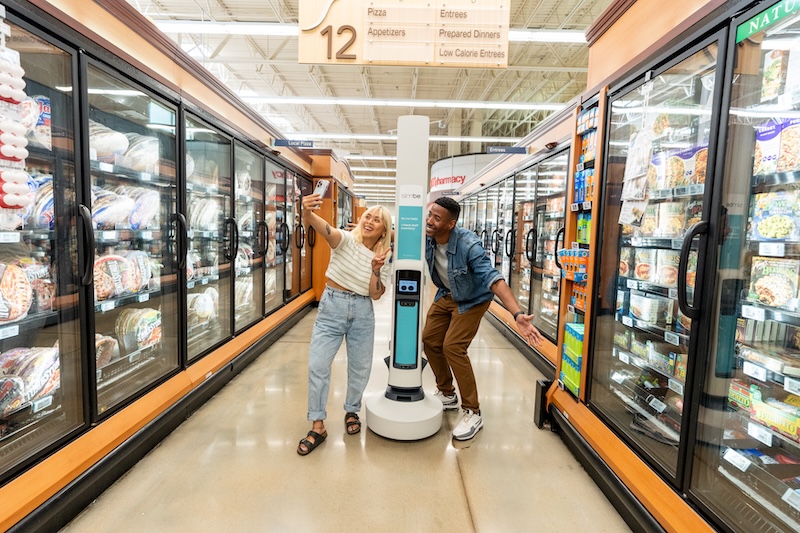
DeCicco & Sons, a US grocery chain, expanded Simbe's Store Intelligence platform across its stores after pilot locations recorded a 35 percent reduction in out-of-stocks within the first 60 days of deployment. The core of the system is Tally, an autonomous shelf-scanning robot that moves through aisles capturing shelf conditions multiple times a day, turning what used to be a manual, inconsistent audit performed sporadically by already-stretched staff into a continuous, standardized data feed that updates throughout the operating day rather than once a shift if at all.
John DeCicco Jr., the chain's CEO, said digitizing shelves is foundational to the company's broader technology strategy, language that signals this expansion was never framed internally as an isolated experiment to be judged purely on its own narrow merits. A 35 percent improvement in a specific, measurable metric within two months is the kind of number that makes a chainwide expansion decision close to automatic for most finance and operations committees, which is exactly why the surrounding context around adoption and integration is worth examining closely rather than taking the headline figure at face value.
Why this result traveled fast from pilot to rollout
Out-of-stocks are one of the few operational metrics in grocery retail with a direct, well-understood line to lost sales, so a clean percentage improvement on that single number tends to land as unusually persuasive internally compared with vaguer efficiency claims that are harder to tie to revenue. It is also a metric store associates feel immediately in their daily routine, since restocking faster means fewer customer complaints at the shelf and considerably less time spent manually walking every aisle to check conditions that a robot can now check continuously instead, freeing that labor for other tasks on the floor.
Caitlin Allen, Simbe's SVP of Market, framed the technology as physical AI meant to elevate the shopper experience while empowering associates, a positioning choice that carries real weight for how smoothly a rollout proceeds at the store level. Store-level staff resistance has derailed more retail automation pilots over the years than outright technical failure has, and a tool framed around removing a tedious, repetitive task rather than threatening a job function tends to clear that internal adoption bar far more easily than automation pitched primarily as a labor-cost reduction.
The integration choice that mattered more than the robot
The detail enterprise technology leaders should pay closest attention to here is architectural more than robotic. Simbe's platform feeds its shelf data directly into the systems DeCicco & Sons' teams already use for store operations, e-commerce fulfillment, and business intelligence reporting, rather than asking staff to learn and check an entirely new standalone interface layered on top of their existing tools. That single integration choice determines, more than any sensor specification, whether a pilot's data actually changes frontline behavior or quietly sits unused in a separate dashboard that nobody ends up opening after the first few weeks of novelty wear off.
Chris Dapolito, who manages the chain's Sleepy Hollow location, tied the technology directly back to the personal relationships that define the DeCicco & Sons brand in his community, suggesting the rollout was sold internally as a way of protecting customer experience and associate time for higher-value interactions rather than as a straightforward labor-cost cut. That framing tends to function as a near-universal precondition for genuine store-level buy-in on almost any automation project, whether the automation in question is physical hardware on wheels or purely a new piece of software.
What this says about the maturing physical AI category
Shelf-scanning robots have circulated in grocery retail for several years now without achieving anything close to universal adoption, often stalling out at the pilot stage because the underlying business case depended on labor savings that proved genuinely hard to isolate cleanly from every other variable affecting a store's performance in the same period. DeCicco & Sons' result suggests the category has matured past that earlier measurement problem by attaching itself firmly to a single metric, out-of-stocks, that is comparatively easy to measure cleanly and considerably easier to defend in front of a skeptical finance team evaluating the spend.
That maturity carries real relevance for any enterprise evaluating physical AI vendors more broadly, whether the use case sits in grocery, general merchandise, or warehousing operations. Most shelf-scanning and computer-vision systems on the market today work reasonably well on a technical level, so the more useful question to ask of any pilot has shifted toward whether the resulting data genuinely integrates into decisions store teams are already making day to day, or whether it instead requires building an entirely new workflow around a system that otherwise sits disconnected from daily operations.
The scale question still unanswered
Neither DeCicco & Sons nor Simbe disclosed exactly how many stores or individual robots are now part of the chainwide rollout, which leaves open the important question of how the 60-day pilot economics will hold up once the platform spans a full chain with varying store sizes, layouts, and customer traffic patterns that differ meaningfully from the pilot locations. Out-of-stock improvements recorded at a handful of carefully chosen pilot locations do not automatically scale in a straight line across a wider fleet carrying uneven baseline performance going in.
Even accounting for that disclosure gap, the underlying sequence here, a tightly scoped pilot, a specific and credible metric chosen in advance, and a rollout decision made quickly once that metric cleared an agreed threshold, amounts to a template worth copying regardless of the vendor involved or the retail vertical in question. It is a noticeably more disciplined pattern than the open-ended AI pilots many retailers are still running today without ever having defined a clear exit criterion up front.