A Rare Concession From the Top
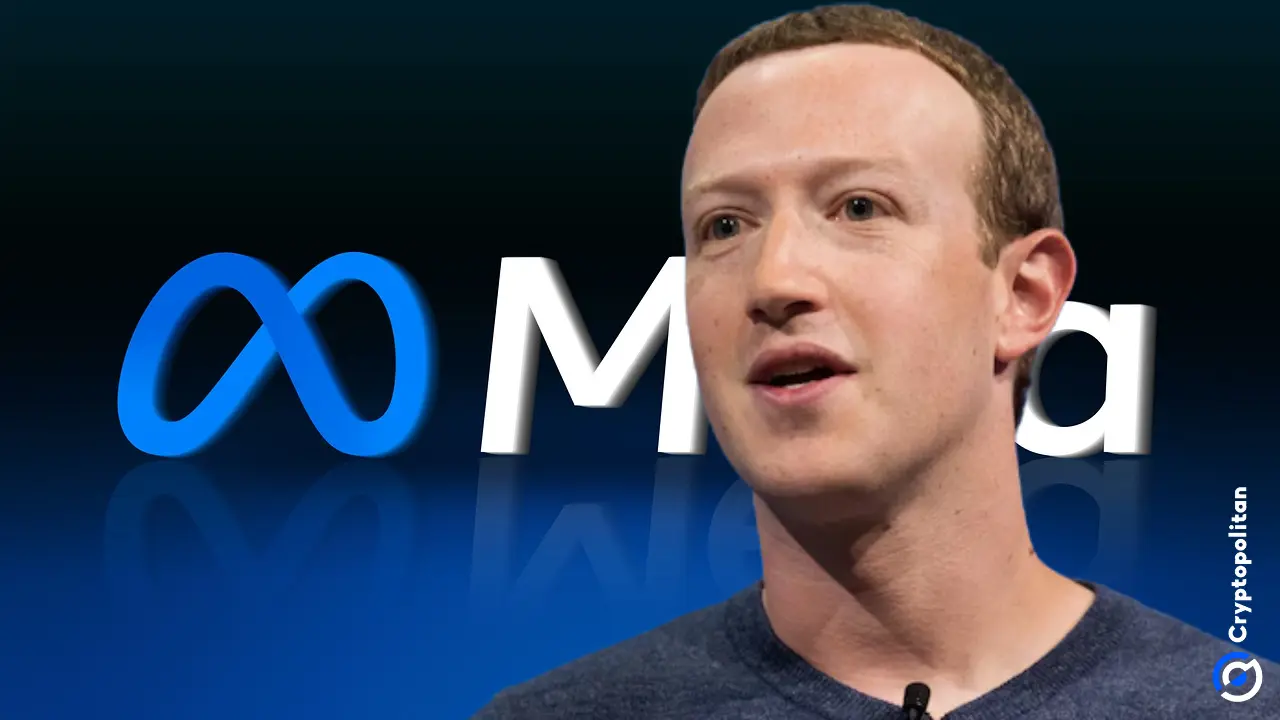
Mark Zuckerberg does not often tell his own staff that management got it wrong, which is what makes his June 12 internal memo notable. In it, the Meta chief executive conceded that the company made mistakes in reshaping its workforce around artificial intelligence, and pledged that further company-wide layoffs are not expected this year. After months of upheaval, the message was less a strategy update than an attempt to stop the bleeding of morale inside an organization that has been turned inside out.
The admission carries weight because of the scale of what preceded it. This was not a tweak to a reporting line. Meta spent the spring dismantling and rebuilding the human side of its AI ambitions, and the result was enough internal friction that the founder felt compelled to address it directly. When a leader who prizes momentum pauses to acknowledge mistakes, it usually means the cost of staying silent had grown higher than the cost of the admission.
The Numbers Behind the Overhaul
The restructuring was sweeping. In May, Meta cut roughly 8,000 jobs, about 10 percent of its entire workforce, while shifting around 7,000 more employees into AI-focused roles. Taken together, nearly one in five people at the company either lost their job or found themselves doing something materially different from what they signed up for. Few large enterprises have moved that fast or that hard in service of a single strategic bet.
That velocity is the context for the memo. A reorganization touching a fifth of the workforce in a matter of weeks was always going to generate disruption, and the question was whether the disruption would be productive or corrosive. Zuckerberg's words suggest leadership concluded it had tipped toward the latter, and that the pace itself, not only the direction, was the error the company now has to walk back.
The Unit Employees Call the Gulag
The sharpest symbol of the discontent is a new group inside Meta's Applied AI organization. That unit, roughly 6,500 people sitting under CTO Andrew Bosworth and led by Maher Saba, has been nicknamed the gulag by some of the engineers assigned to it. Their work, generating puzzles and coding problems used to train AI agents on how humans complete computer tasks, is something many high-status engineers view as a demotion dressed up as a mission.
The nickname matters more than it might appear. When skilled staff start describing their assignments in those terms, the company has a retention and reputation problem that no amount of compute can solve. Talent is the one input in the AI race that cannot be bought wholesale, and a culture that makes its best engineers feel warehoused is undermining the very advantage the restructuring was meant to secure in the first place.
The Promise of Stability
Zuckerberg's remedy is stability, and he attached specifics to the word. He pledged greater predictability around organizational changes, said management is focused on finding new roles for employees reassigned to train AI models, and outlined a set of culture repairs: bigger budgets for team offsites and corporate events, a company-wide hackathon in July, and the return of assigned desks in many offices by year-end. The small, tangible gestures are aimed at signaling that the churn is finally over.
Whether those measures land is an open question. Restoring desks and funding offsites addresses the symptoms of a demoralized workforce, but the underlying grievance, that valued work was reassigned to feel like busywork, is harder to fix with perks. The credibility of a stability promise depends on the absence of the next surprise, and Meta has spent recent months teaching its people to expect exactly those surprises.
What This Says About the Superintelligence Bet
Step back and the memo reads as a status report on the human cost of the superintelligence push. Meta has poured capital and organizational capital alike into its ambition to lead in frontier AI, and the workforce overhaul was the people-shaped expression of that bet. The concession that it was mishandled is, implicitly, an admission that the company underestimated how hard it is to redirect tens of thousands of careers without breaking trust.
For other enterprises watching, the lesson is portable. The AI transition is frequently sold to boards as a technology program, but its hardest problems are organizational: who moves, who is displaced, who is asked to retrain, and how that is communicated. Meta has the resources to absorb a misstep of this size. Most companies attempting their own AI reorganizations do not, which makes Meta's public stumble a useful and free case study for everyone else.
The Cost of Moving Fast on People
There is a reason the technology industry's favorite mantra, move fast, has always sat uneasily with the management of people. Code can be refactored; careers cannot be redeployed on the same cadence without consequences. Meta's experience this spring is a vivid demonstration that the speed which serves product development can backfire when applied to the workforce that builds the product. The same instinct produced both the ambition and the mistake.
We read Zuckerberg's memo as an inflection point rather than a resolution. The strategic direction toward AI is unchanged, and the layoffs are presented as largely behind the company. What remains uncertain is whether Meta can convert a chastened workforce back into an energized one. The firms that ultimately win the AI era will be those that learned to move fast on infrastructure while moving deliberately on the humans, and that balance is precisely what Meta just admitted it missed.