The siting problem arrived at the ballot box
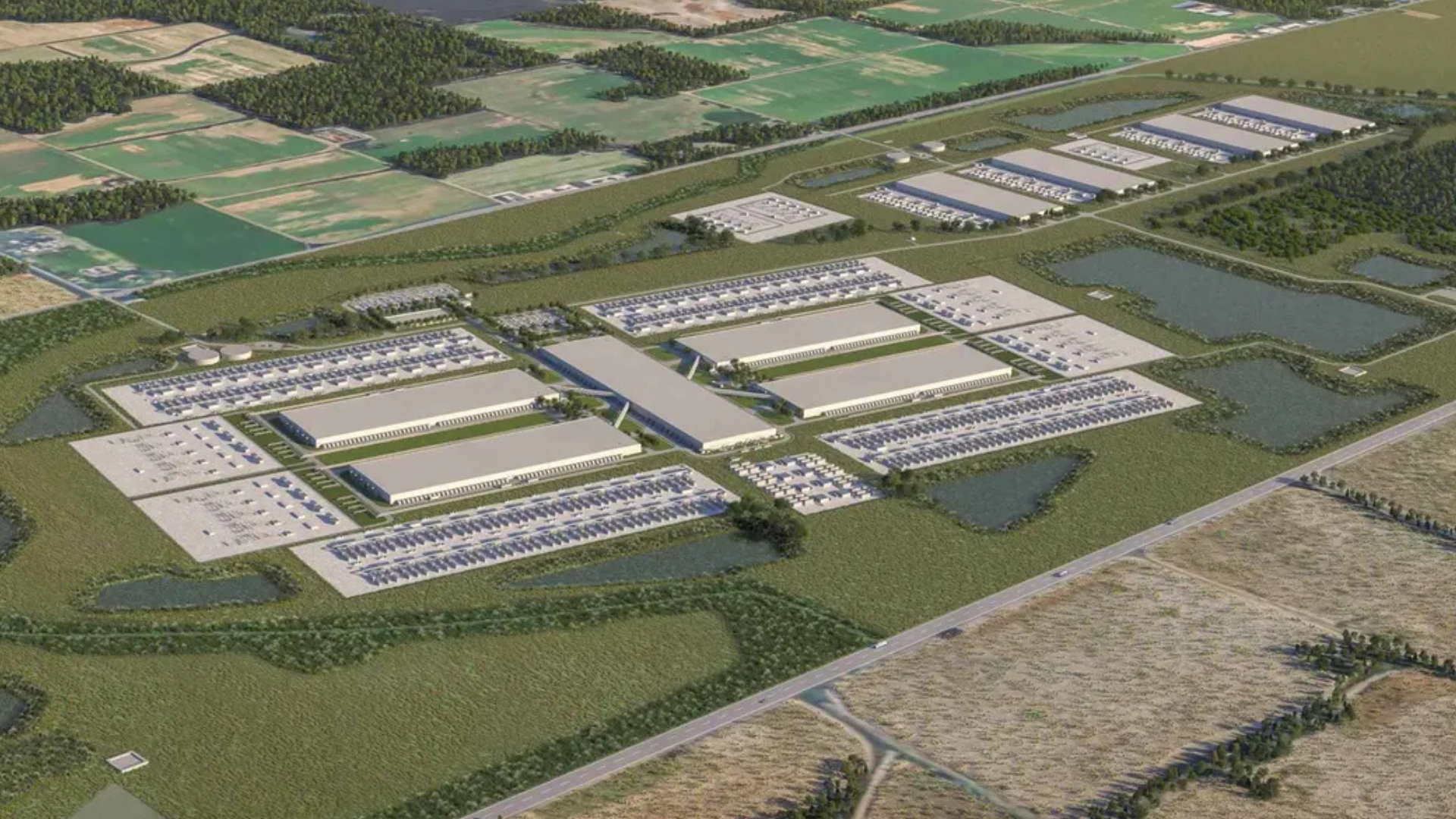
For two years the obstacles to new data center construction were mostly procedural: permitting queues, interconnection backlogs, utility studies. This month added a more direct obstacle, voters. Local ballot measures opposing new data center projects passed in nearly every community where they appeared, with only one exception reported this cycle. In Texas, the incoming governor built part of a winning campaign around a temporary moratorium on new data center approvals and the removal of certain tax incentives that had made the state an attractive site for hyperscale buildouts. Texas has been one of the two or three most favored states for new AI capacity over the past three years, which makes a moratorium pledge there a far louder signal than a single county vote anywhere else in the country.
None of this stops the projects already under construction. It does change the calculus for the next site selection decision, which is exactly where most multi year AI infrastructure commitments are made. A site that looked straightforward eighteen months ago, when local opposition was scattered and tax incentives were a selling point rather than a political target, now carries a meaningfully higher probability of delay, renegotiation, or outright rejection. Enterprises relying on sovereign or regional cloud commitments tied to those same sites should treat this cycle's results as a live input to their own risk register, not a curiosity confined to real estate and utility planning teams.
The same week, Alphabet had its worst day on record
The political news landed alongside a brutal week in AI related equities. Alphabet shares fell more than 12 percent in a single session, the worst day in the company's history as a public stock, erasing roughly 500 billion dollars in market capitalization. The drop followed third quarter results that, per reporting on the earnings, missed Wall Street's revenue expectations despite reported revenue of 127.6 billion dollars, a reminder that even genuinely strong absolute numbers can read as a disappointment against expectations inflated by the AI buildout narrative.
Alphabet was not alone. Intel fell 29 percent in a single session, its worst day since the 1970s. Meta dropped 3.4 percent and Microsoft 2.8 percent. Nvidia, the company whose chips sit at the center of nearly every hyperscaler capacity plan, fell 8 percent. Reporting described the Tuesday after the US midterm elections as the worst post election trading day for the broader market since 1896, with chip stocks taking the heaviest losses. Total tech market value lost that week was estimated at roughly 2.5 trillion dollars.
A productivity number that undercuts the spending story
What turns a bad trading week into a genuine strategic signal is the data point sitting underneath it. The Bank of England reported that AI is so far barely moving productivity, and that many employees at companies that purchased AI tools are not actually using them. That finding matters more to a CTO's roadmap than any single stock price move, because it speaks directly to the return on investment assumption underneath every one of the capacity commitments hyperscalers have made over the past two years.
If adoption inside the companies buying AI tools is lagging the capital being spent to build the infrastructure behind those tools, the gap between infrastructure supply and realized value keeps widening rather than closing. That gap is exactly what skeptical investors pointed to this week, and it is also exactly the gap that any internal AI program should be measuring and reporting on now, before a board member asks why the company's own adoption numbers look like the ones the Bank of England just described. Usage logs, task completion data, and simple before and after time studies on a handful of workflows will answer that question far more credibly than a slide citing industry wide spending totals.
Hyperscalers are already hedging the siting risk
Meta's president for global affairs, Dina Powell McCormick, said directly that building data centers in the United States is going to get harder, and that the company is weighing sites outside the country to hedge against exactly the kind of local and political resistance that showed up at the ballot box this month. That is a notable admission from a company still in the middle of an aggressive capacity buildout, and it suggests the siting risk is now explicit in internal planning rather than a tail risk nobody discusses out loud.
For any enterprise whose roadmap depends on a specific hyperscaler region or a specific sovereign cloud commitment, that hedge cuts both ways. Geographic diversification away from politically contested US sites could mean more resilient capacity over time. It could also mean longer lead times, new compliance obligations, and new data residency questions in whichever jurisdictions absorb that diverted investment. Either way, the assumption that US capacity growth would simply continue on its recent trajectory no longer holds without qualification.
What belongs on the roadmap now
None of this is an argument to pause AI infrastructure plans. It is an argument to stop treating siting approval and local political support as background noise in a capacity roadmap. Any multi year commitment tied to a specific region should carry an explicit assessment of local political risk alongside the usual power, water, and permitting analysis, updated at the same cadence as the financial model around it, with a named owner responsible for flagging when a jurisdiction's political mood has shifted enough to warrant a second look at the contract.
It is also a reason to get serious, internally, about the productivity question the Bank of England just raised publicly. A technology organization that can show concrete, measured adoption and output gains from its AI investments is in a much stronger position to defend its 2027 infrastructure budget than one relying on vendor growth charts and industry momentum. This month gave every CTO a preview of the questions a skeptical board is about to start asking, and the organizations that already have real adoption data on hand will answer those questions in a single meeting instead of spending a quarter scrambling to produce it.