The deal and the backlash, in that order
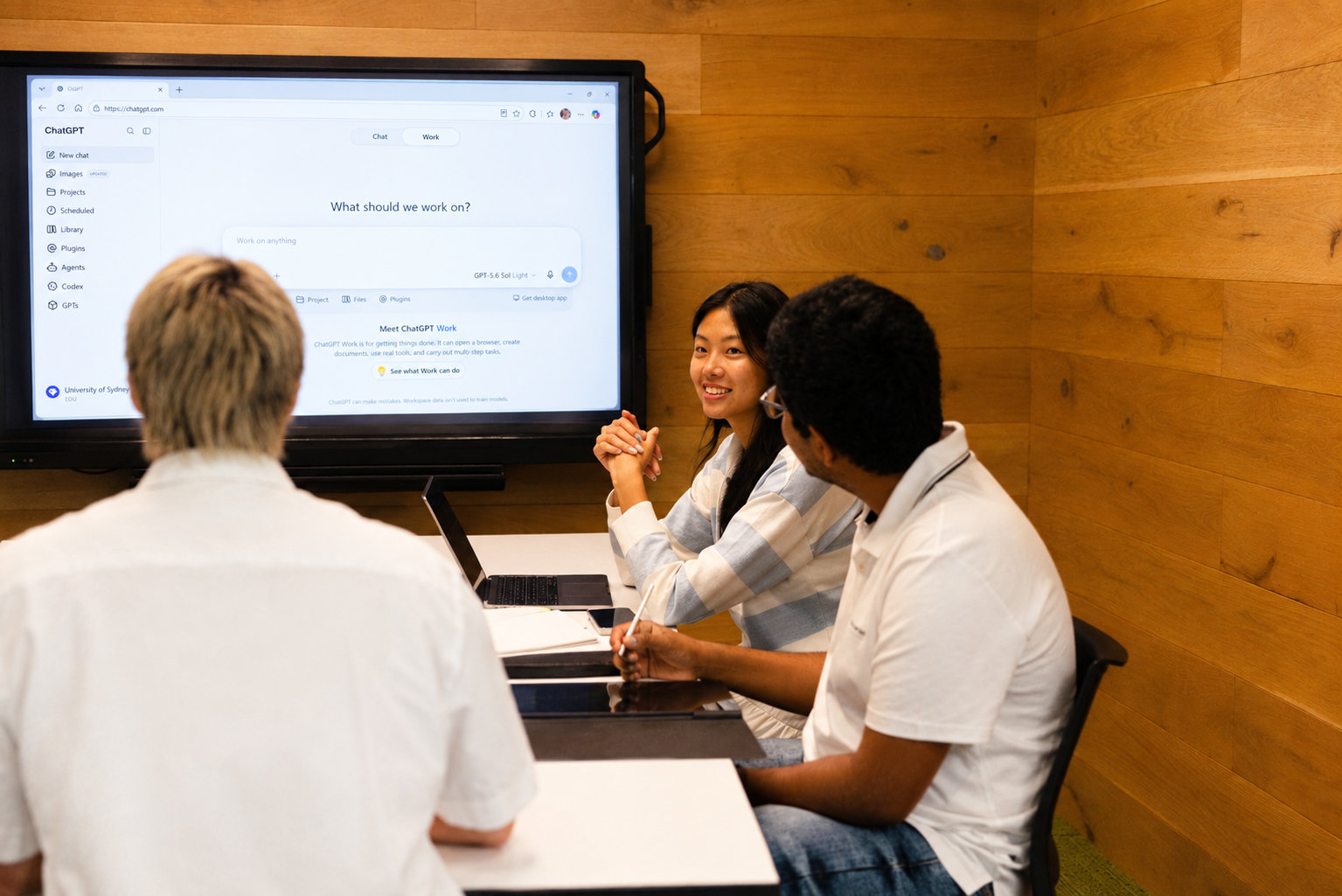
The University of Sydney signed a multi-year partnership with OpenAI to deploy ChatGPT Edu across the institution, with staff gaining access from October 2026 and students following in Semester 1, 2027, starting with a pilot in October. The university also committed $1 million to OpenAI's AI Sustainability Research and Innovation Fund. Vice-Chancellor Mark Scott described the university as "proudly leading... the widespread adoption of artificial intelligence," positioning the deal as an institutional differentiator rather than a routine software procurement.
The reaction was immediate. Within days, the Students' Representative Council organized a snap rally on Eastern Avenue, and staff and student leaders used it to attack both the substance of the deal and the process behind it. SRC President Grace Street called the timing and lack of consultation "outrageous," and specifically objected to partnering with a company that also serves the US Department of War. That is a materially different objection than the usual academic-integrity concerns raised about AI in classrooms, and it is the one administrators seem least prepared to answer.
A process complaint, not a technology complaint
The most damaging quote for the university came from senior lecturer Nick Riemer, who pointed out that management was supposedly consulting staff through an AI green paper process with a submission deadline still two weeks out when the OpenAI deal was announced. That sequencing problem, running a public consultation on AI governance while simultaneously signing a binding, multi-year vendor contract, hands critics a clean argument that the consultation was never going to change the outcome. Whether or not that is true, the optics are hard to walk back once the contract is signed.
NTEU branch president Peter Chen's comment, that the university has "a marginal, sometimes very poor, history of top-down technology acquisitions," suggests this is not a one-off governance failure but a recurring institutional pattern that staff had already flagged before this deal. Universities running any large technology procurement while a parallel governance process is still open should expect the same credibility gap Sydney now faces, regardless of the vendor or the technology involved.
The labor argument underneath
Staff member Alma Torlakovic's line at the rally, that AI investment money is "being used to sack workers," is worth taking seriously as a distinct thread from the consultation complaint. A 24-hour staff strike had already taken place two weeks before the OpenAI announcement, with AI safeguards listed as one of the strike's core demands. That timeline means the university signed a major AI vendor contract in the immediate aftermath of a labor action specifically about AI, which reads to staff as a direct rejection of their demands rather than an unrelated business decision.
This is the pattern worth watching across the sector: AI procurement decisions are increasingly becoming proxies for a broader fight over how institutions plan to use AI-driven efficiency gains, whether that means reduced headcount, changed workloads, or reallocated budgets. Framing an AI deal purely as a student-facing learning tool, as Sydney's messaging did, ignores the fact that staff read the same announcement through a job-security lens first. Any communications plan that leads with pedagogy and leaves workforce impact for a later, separate conversation will keep losing that framing fight to whichever union or staff body speaks first.
Why the university proceeded anyway
Despite the rally, the strike, and pointed union criticism, the University of Sydney kept its rollout timeline intact, staff access from October and student access from Semester 1, 2027. That decision tells you the administration judged the reputational cost of proceeding as lower than the cost of renegotiating or delaying a signed multi-year vendor commitment, and probably lower than the competitive cost of falling behind peer universities already rolling out similar deals with OpenAI and other vendors.
That calculation is not unreasonable on its own terms. A university that pauses every AI vendor deal until every stakeholder group signs off will move slower than peers who negotiate contracts first and manage governance objections after the fact. But it does mean the administration is treating staff and student consultation as a communications problem to manage rather than a decision input that could change contract terms, and that distinction will keep resurfacing at the next major technology decision. Once staff conclude that a consultation process cannot alter an outcome, they stop participating in good faith, and the university loses a genuinely useful source of implementation feedback along with the goodwill.
What this means for your roadmap
If your institution is running an AI governance consultation alongside active vendor negotiations, close one before finalizing the other, or be explicit that the consultation covers implementation details rather than the go or no-go decision. Sydney's experience shows that ambiguity on that point costs more in staff trust than either sequencing choice would have cost on its own, and that trust deficit follows every subsequent AI decision the institution makes.
For any CIO or provost negotiating a campus-wide AI vendor deal, build a labor and workforce-impact conversation into the process explicitly, separate from the academic-integrity and pedagogy conversation that usually dominates AI procurement discussions. The two audiences are asking fundamentally different questions, one about how AI changes what students learn and one about how AI changes who keeps their job, and a single town hall covering both will satisfy neither. Sydney's rally is a preview of what every large university will face on its next enterprise AI contract unless that separation happens deliberately and early.