A perfect-score chain on a device built to face the internet
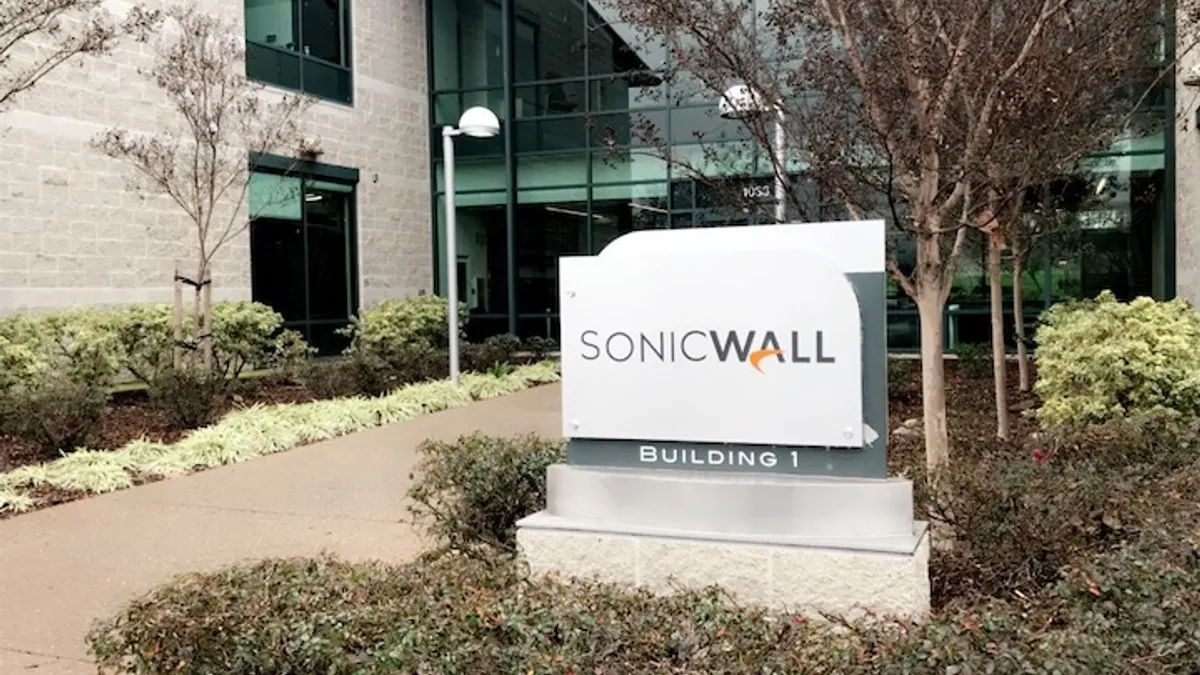
SonicWall's SMA1000 line exists to sit at the network edge and broker remote access, which is precisely what makes the latest disclosure so serious. CVE-2026-15409, a server-side request forgery flaw, carries the maximum CVSS score of 10.0. Chained with CVE-2026-15410, a command injection bug, it yields unauthenticated remote code execution as root. There is no login step and no privilege escalation required. An attacker who can reach the appliance over the network can take complete control of it, and these appliances are designed to be reachable over the network by definition.
Douglas McKee, Director of Vulnerability Intelligence at Rapid7, framed the stakes plainly: "The potential risk to customer environments is severe, as successful exploitation of this chain grants unauthenticated attackers remote code execution privileges as root." The affected hardware spans the SMA1000 6210, 7210, and the 8200v virtual appliance. SonicWall released a hotfix on July 14, 2026. For any organization running one of these devices, the combination of maximum severity, unauthenticated access, and a root-level outcome puts this squarely in the emergency-response category rather than the routine patch cycle.
This was a zero-day before it was a patch
The timeline matters more than usual here. Volexity traced exploitation of this chain to June 22, 2026, roughly three weeks before SonicWall's July 14 hotfix. That means the flaw was a live zero-day in the hands of attackers well before defenders had a fix to apply. Anyone treating the patch date as the start of the exposure window is reading the situation backward. The exposure began in June, and the appropriate assumption for an internet-facing SMA1000 is that it may already have been reached.
Volexity attributes the zero-day activity to a threat cluster it tracks as UTA0533. Separately, INC ransomware operators have been observed abusing the same appliances, which turns an edge-device compromise into a direct ransomware on-ramp. Huntress has confirmed at least seven customers impacted so far, a number that reflects what one vendor can see rather than the full population. When an unauthenticated root exploit on a widely deployed access gateway is in active use by both an espionage-style cluster and a ransomware crew, the realistic count is higher than any single confirmed figure.
What the attackers do once they have root
Root on the appliance is the beginning of the intrusion. McKee described the follow-on activity in specific terms: "Once inside, threat actors systematically harvest local credentials, active session databases, and multifactor authentication (MFA) seeds to maintain long-term persistence." Each of those targets serves the same goal, which is durable access that survives a reboot or a patch. Harvested credentials open lateral paths into the internal network. Active session databases let an attacker ride existing authenticated connections without re-authenticating.
The MFA and TOTP seed theft deserves particular attention because it undermines a control most enterprises lean on heavily. If an attacker exfiltrates the seeds behind your one-time codes, multifactor authentication stops being the backstop you assume it is, and it can no longer be trusted for the accounts routed through that appliance. This is why patching the box, while necessary, is not the end of the response. An appliance that was exploitable since June must be assumed to have surrendered secrets that outlive the vulnerability itself, which changes what a complete remediation actually requires.
Patching the box does not close the incident
For SMA1000 operators, applying the July 14 hotfix is step one and nothing more. Because credentials, sessions, and MFA seeds may already be in an attacker's possession, a thorough response means rotating every credential the appliance could touch, invalidating active sessions, and reprovisioning MFA and TOTP secrets for affected users. Skipping those steps leaves the persistence mechanisms McKee described fully intact even after the underlying flaw is fixed. The patch removes the door the attacker used, and leaving the copied keys in place invites them back through another.
The forensic question is whether your appliances were exposed during the June 22 through July 14 window. Review the SMA1000 logs and any upstream network telemetry for signs of the SSRF and command-injection activity, and check for anomalous outbound connections or unexpected processes on the device. Given at least seven confirmed victims and two distinct threat actors, absence of evidence should not be read as evidence of safety, particularly for appliances that were reachable from the public internet during the exposure window.
The edge-appliance lesson for your roadmap
This incident reinforces a pattern we keep seeing: the security appliances meant to protect the perimeter are themselves among the most attacked assets on the network. VPN concentrators, SSL gateways, and remote-access brokers run complex code, sit exposed by design, and often lag on patching because they are treated as infrastructure rather than software. The SMA1000 chain shows what happens when that lag meets a maximum-severity flaw and motivated ransomware operators. These devices need the shortest patch SLA you maintain, measured in days, not the weeks many teams still allow.
For the roadmap, the durable moves are inventory and reduction. Know every edge appliance you run, which firmware version each is on, and how quickly you can push an emergency hotfix to all of them. Where an appliance does not need to be reachable from the entire internet, restrict it. And build the assumption of compromise into your access architecture, so that a single edge device falling does not automatically hand an attacker your credentials, your sessions, and your second factor along with it.