A pattern, not a coincidence
Six separate US jurisdictions advanced data center construction moratoriums within roughly the same week, a clustering that makes clear the community backlash against data center siting has moved from scattered local disputes into a genuine national pattern. San Francisco's Board of Supervisors took up a proposed 45 day freeze aimed squarely at a Bayview-Hunters Point facility expansion. Manatee County and Alachua County in Florida each advanced 12 month moratoriums. Statesville, North Carolina approved a 180 day freeze running through March 2027. Clarendon County, South Carolina moved for an indefinite moratorium explicitly aimed at closing regulatory loopholes. Lima, Ohio adopted an 18 month freeze, carving out an exception only for a Google project already underway.
None of these jurisdictions coordinated with each other. There is no single national policy trigger behind the wave, no federal ruling or industry scandal that set it off. What connects them is a shared, independently arrived-at set of community objections: noise from cooling systems, strain on local power grids, and water consumption that residents increasingly see documented in the same reporting disputes now playing out in Texas. When six unconnected jurisdictions reach for the same regulatory tool in the same week, that is a signal the underlying grievance has become common enough to travel on its own.
The San Francisco case shows how fast this can move
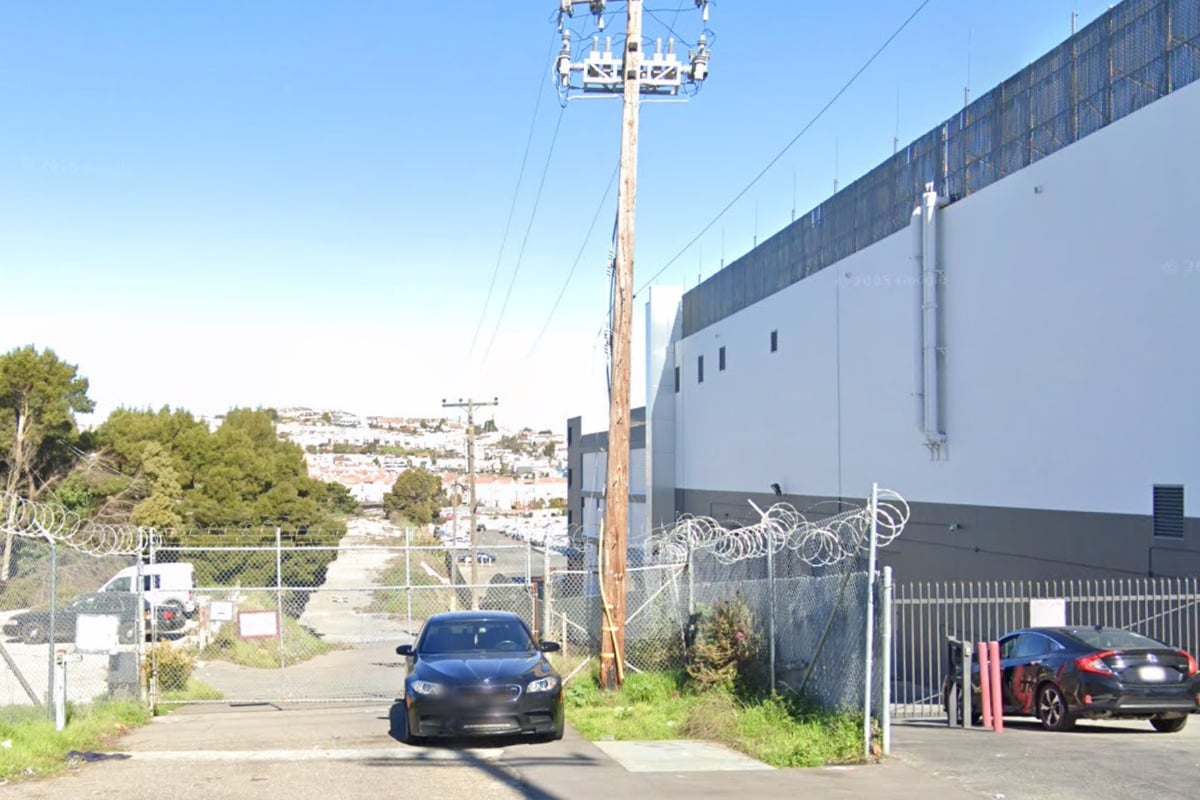
San Francisco's proposal, introduced by Supervisor Shamann Walton and co-sponsored by three colleagues, targets the NOVVA facility at 400 Paul Avenue in the Bayview district, which brought an initial 9 megawatt phase online this summer as part of a planned expansion to 36 megawatts. The freeze requires a four-fifths vote under state law, can run for an initial 45 days, and is explicitly described by its sponsors as the first legislative step toward a permanent citywide ban rather than a temporary pause pending further study.
That framing matters. A moratorium billed as a pause for further environmental review is a very different risk than one billed from day one as a step toward permanent prohibition. Developers and their financing partners price these very differently: a temporary study period is a schedule delay, while a stated intent to eventually ban the use entirely is a fundamental threat to the underlying investment thesis for any facility already under construction or in the permitting pipeline in that jurisdiction.
What triggers these votes
Across the six jurisdictions, the trigger pattern is remarkably consistent. A facility either recently opened, expanded, or filed for expansion in a way that made its physical presence newly visible to neighbors, usually through construction noise, increased truck traffic, or a permit notice that residents had not previously known to watch for. Local officials, facing constituent complaints and lacking existing zoning language specific to large-scale data centers, reach for a moratorium as the fastest available tool to stop new approvals while they draft purpose-built regulations.
That sequence, facility becomes visible, complaints follow, moratorium follows complaints, is now well-established enough that experienced developers should be able to predict it. Dubuque County, Iowa and North Little Rock, Arkansas are both in earlier stages of the same cycle, drafting stricter setback and zoning rules without yet imposing an outright freeze. Expect their next step to look like what just happened in Florida and North Carolina if community pressure continues building at the current pace.
The financing consequences of a freeze
A moratorium does more than delay a groundbreaking. Construction financing, power purchase agreements, and hyperscaler lease commitments all carry delivery date assumptions baked into their terms, and a 12 to 24 month freeze can trigger financing covenant reviews, penalty clauses in offtake agreements, or a tenant's right to walk away and re-site elsewhere. For a developer with capital already committed to land and early site work, a moratorium is a direct hit to project economics, not just a scheduling inconvenience.
The Statesville, North Carolina freeze and the Clarendon County, South Carolina moratorium both explicitly target closing what officials describe as regulatory loopholes, language that signals these are not pauses awaiting more information but deliberate efforts to make the jurisdiction structurally harder to build in going forward. Developers with projects already in the pipeline in those counties should assume the rules they permitted under may not be the rules they finish construction under.
Reading the exceptions carefully
The carve-outs matter as much as the freezes themselves. Lima, Ohio explicitly exempted the Google project already underway from its 18 month moratorium, a decision that shows officials distinguishing between accepting sunk investment from an established relationship and blocking new, less certain commitments. That distinction, protect what is already committed while freezing everything new, is likely to become the standard template other jurisdictions adopt as they draft their own rules, rather than blanket prohibitions that would also punish facilities already generating local tax revenue and jobs.
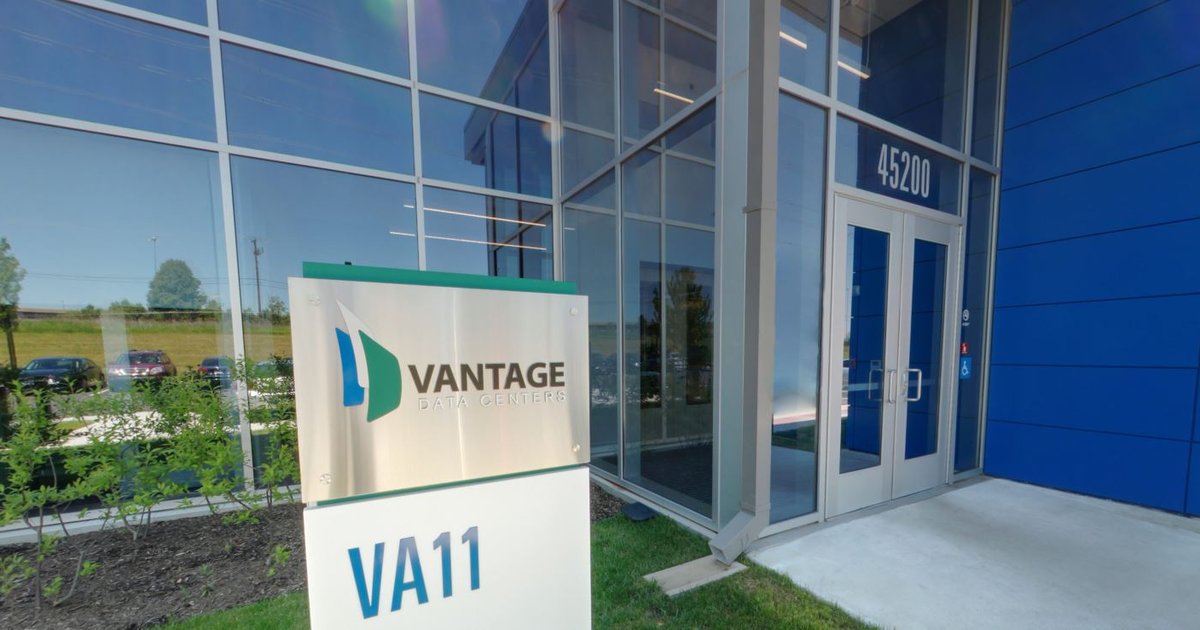
For hyperscalers and colocation developers, that pattern suggests a practical lesson: early, visible community investment and a track record in a jurisdiction meaningfully reduces the odds of getting caught by a later moratorium aimed at newer entrants. Projects that arrive in a market cold, without prior local relationships or visible community benefit commitments, face materially higher regulatory risk than an incumbent's next expansion phase in the same jurisdiction. Vantage, Digital Realty, and the other operators filing new Texas permits this same week would be wise to front-load the same kind of visible community commitments Meta has built into its own expansion announcements.
What this means for site selection going forward
CIOs and infrastructure teams evaluating new capacity commitments, whether direct build, colocation, or cloud region selection, should add local zoning and moratorium risk to their site diligence checklist as a first-order variable rather than a late-stage formality. Ask providers directly whether any facility under consideration sits in a jurisdiction that has recently seen community organizing against data centers, and treat a jurisdiction currently drafting new zoning rules as meaningfully higher risk than one with established, data-center-specific ordinances already in place.
The broader signal from this week's cluster of votes is that the era of data centers as a welcomed, low-friction land use is ending in enough places to matter. Six jurisdictions moving in the same week reads as early evidence of how fast this can spread once one city's fight becomes the template for the next, and there is every reason to expect the count to keep climbing through the rest of the year. Any capacity plan built on the assumption that permitting will proceed as smoothly in 2027 as it did in 2024 needs to be revisited now, before that assumption gets tested against a moratorium vote nobody saw coming.